⚕ Penile Prosthesis Surgeon
⚕ Sexual Dysfunction Specialist
⚕ Water Vapor Therapy (Rezum) Specialist
⚕ Urologist
⚕ UroLift Specialist
⚕ HoLEP Specialist
If you were diagnosed with early-stage prostate cancer and you’ve been worried about the complications of treatment, the incontinence and erectile dysfunction that can follow radical surgery or the months-long radiation course with its own set of side effects, but you still needed to treat the cancer… which option would be available to you today?
Most men never get to ask this question out loud. They hear “prostate cancer” their mind jumps straight to “surgery or radiation” and the conversation about quality of life gets rushed or skipped entirely because the priority understandably is getting rid of the cancer.
But here’s a story I hear often in my practice.
The patient who almost chose Nothing
A man in his early sixties came to see me after a biopsy confirmed a small, low-to-intermediate risk tumor confined to one side of his prostate. He wasn’t in denial about the diagnosis. He understood it needed treatment. What he couldn’t accept was the trade-off he’d read about online that treating the cancer might cost him his continence, his sexual function or both.
He told me plainly: “I’d rather take my chances and wait.” That’s a dangerous place for a patient to land, not because he was wrong to weigh the risks, but because he thought waiting and watching complications unfold were his only two paths. They aren’t. Not anymore.
What changed: Treating the Tumor, Not the Whole Gland
For decades, prostate cancer treatment has largely meant treating the entire prostate removing it surgically or irradiating it in full even when the cancer itself occupies only a small portion of the gland. That’s a bit like renovating an entire house because one room needs new flooring. It works, but it disturbs everything around it, including the nerve bundles that control erectile function and the tissue that supports continence.
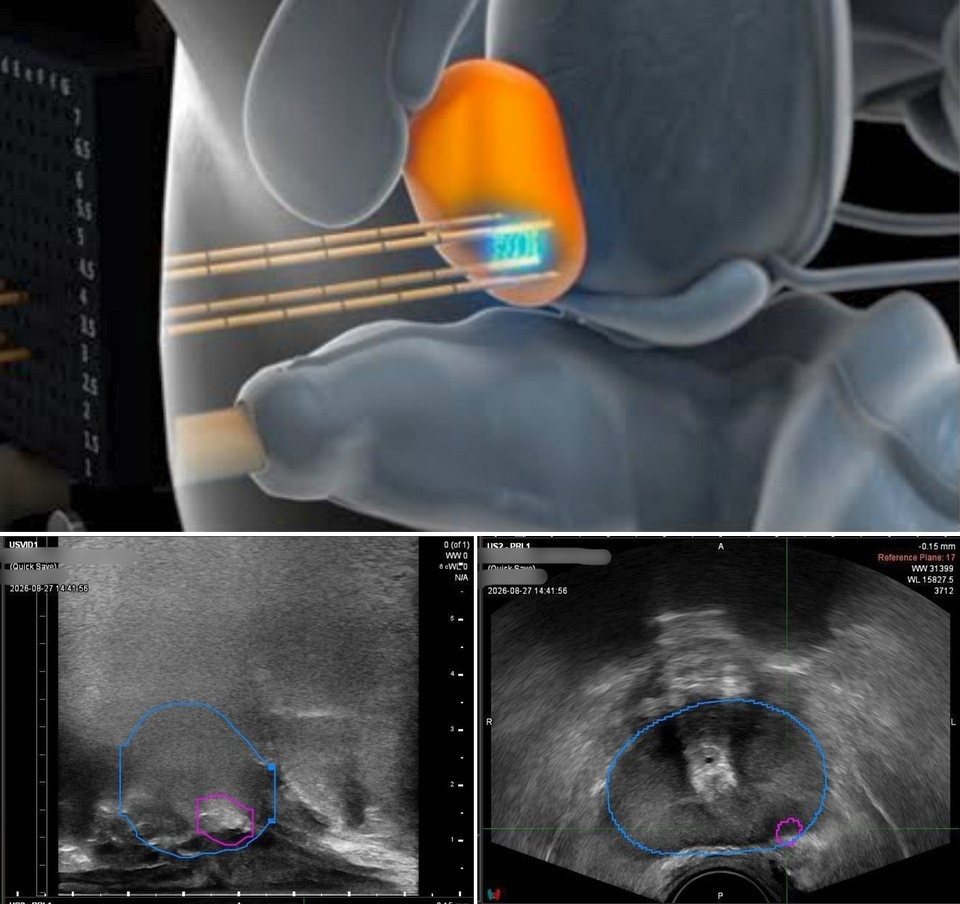
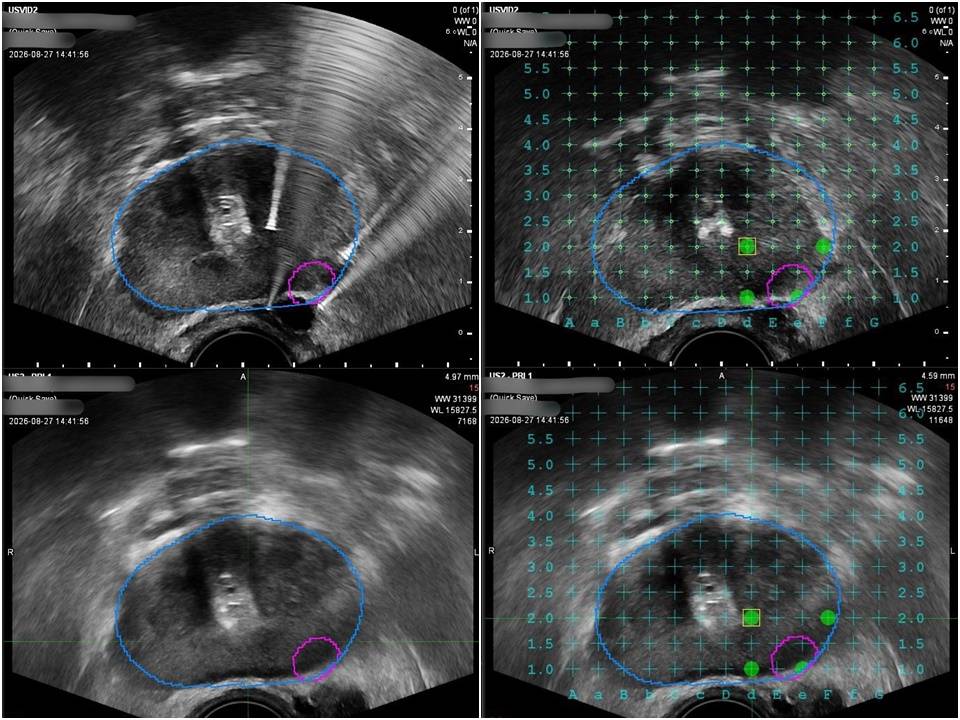
Focal therapy flips that logic. Instead of treating the whole prostate, it targets only the area where the cancer lives, guided by MRI and biopsy mapping, while leaving the healthy surrounding tissue and the nerves and structures that matter for quality of life largely untouched.
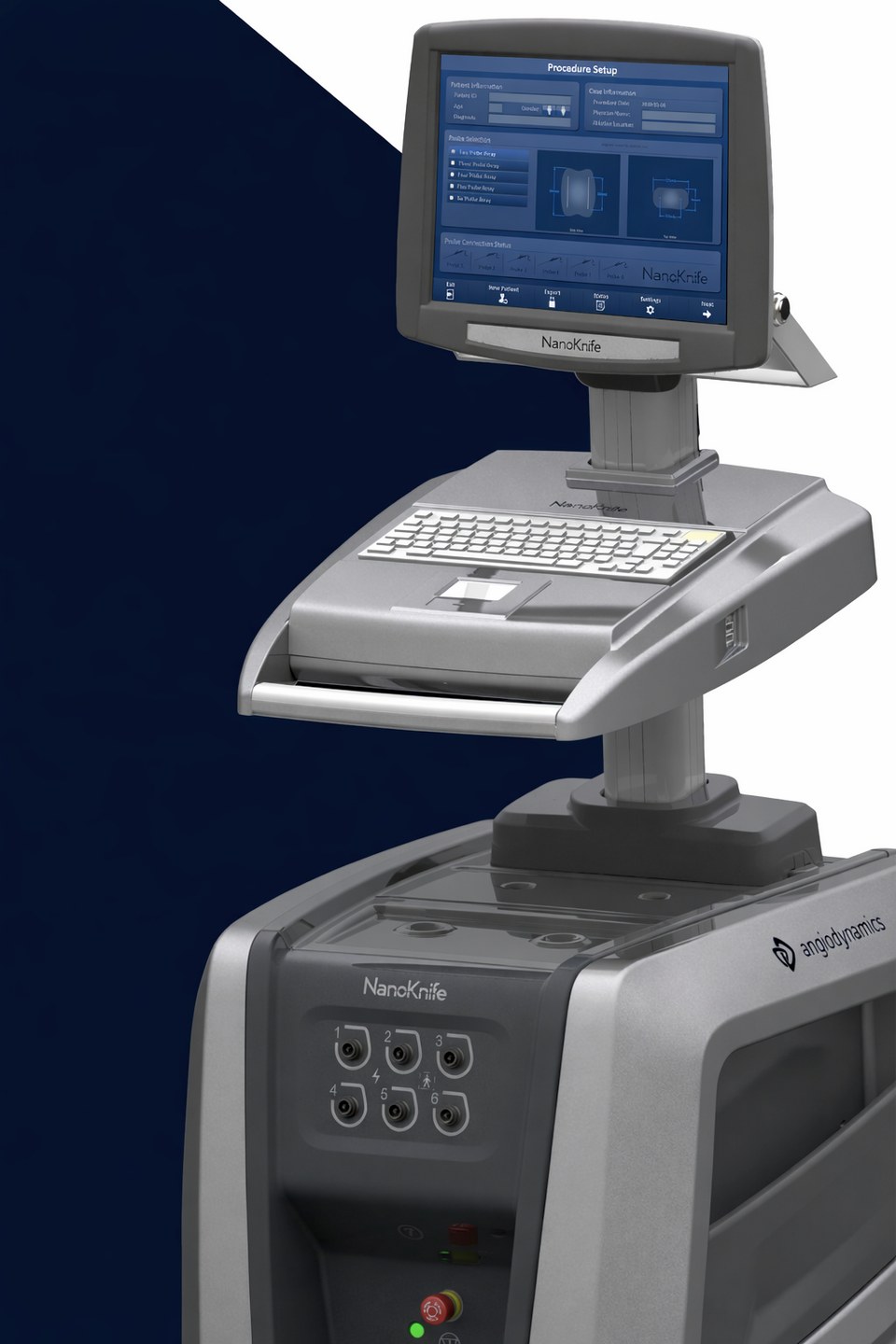
One of the most precise tools for this is Irreversible Electroporation, known clinically as IRE and commercially as NanoKnife.
How IRE (NanoKnife) actually works
IRE (NanoKnife) doesn’t use heat or cold to destroy the tumor which is what sets it apart from other focal options like HIFU or cryotherapy. Instead thin needle electrodes are placed around the target area under image guidance and short, high-voltage electrical pulses are delivered directly to the tumor. These pulses create permanent micro-pores in the cancer cell membranes. Essentially, destabilizing the cells until they die while sparing the collagen scaffolding of blood vessels and nerves that pass through the same zone.
That last point matters enormously. Because IRE (NanoKnife) spares connective tissue structures, it can treat a tumor sitting close to the neurovascular bundle the very structure surgeons work so hard to preserve during radical prostatectomy with a level of precision that non-thermal ablation makes possible.
For the patient in my practice, this was the missing piece. He didn’t need to choose between “treat the cancer” and “protect my quality of life” He could pursue both with a single day procedure and a recovery measured in days rather than months.
Who is it for and Who is it Not for
I want to be honest with you here because a good newsletter doesn’t oversell. IRE (NanoKnife) and focal therapy aren’t for every prostate cancer patient. They’re best suited to men with localized, low-to-intermediate risk disease where imaging and biopsy mapping clearly define where the cancer is. Men with widespread or high-risk disease still need whole-gland or systemic treatment. And because focal therapy treats a defined region rather than the whole gland, ongoing surveillance afterward repeat MRI, PSA monitoring, sometimes repeat biopsy remains part of the plan, since the untreated portion of the prostate still needs watching.
That’s the honest trade. Focal therapy asks for more vigilance afterward in exchange for sparing you the side effects that whole-gland treatment often brings.
The real Key takeaway
Prostate cancer diagnosis doesn’t have to force a choice between treating the disease and preserving the life you want to keep living. For the right patient, IRE (NanoKnife) offers a middle path one that treats the cancer with real intent while respecting everything else that makes a man’s daily life feel normal.
If you or someone you know has just received an early-stage diagnosis and is wrestling with that same fear my patient once had, it’s worth asking your urologist one simple question: “Am I a candidate for focal therapy?”
Sometimes, the most reassuring answer in oncology isn’t “we’ll fight this at any cost.” It’s “we don’t have to choose.”