PATTAYA, Thailand – Pattaya businesses are watching closely as the USS Abraham Lincoln and around 5,000 US military personnel are scheduled to visit Thailand from September 2 to 6, raising hopes of a short-term boost in spending across the city. The aircraft carrier visit is intended to give personnel time to rest and recuperate while receiving logistical support. It is not a joint military exercise with Thailand.
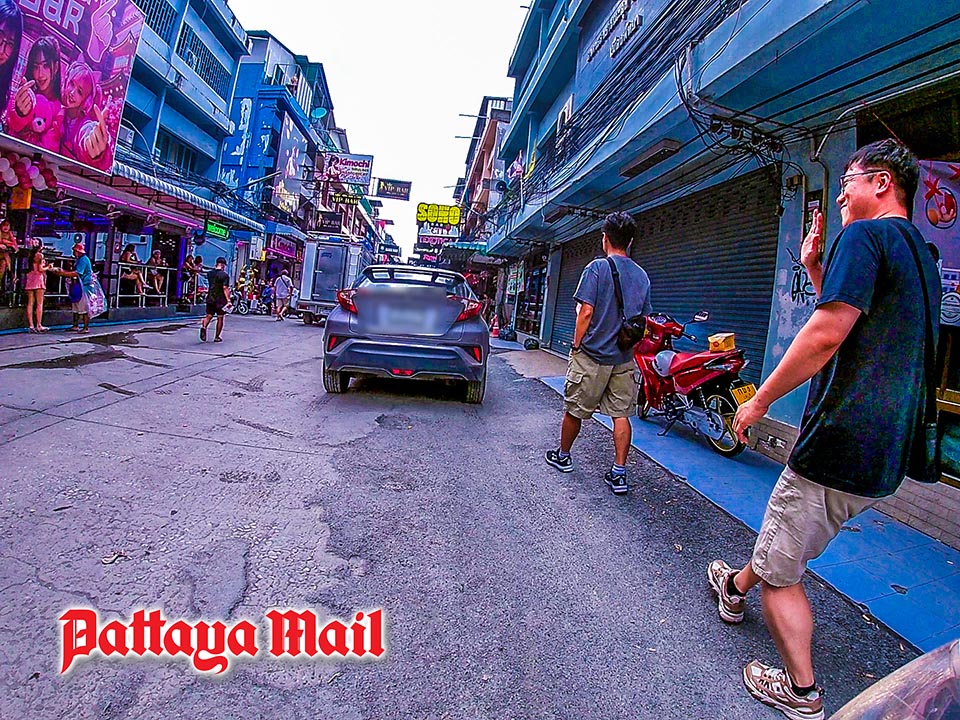
A survey of Pattaya’s entertainment venues, restaurants and tourist areas, particularly Soi 6, found some businesses preparing for the arrival of a new customer group. Restaurants, bars, entertainment venues, taxis, massage and spa businesses, shops and hotels are among those expecting to benefit. While many may immediately associate American sailors and soldiers visiting Pattaya with Walking Street, their spending is likely to extend well beyond nightlife. Personnel will have different amounts of time ashore and may choose to eat, shop, visit attractions, relax at the beach or use other services across the city.
For businesses, time and convenience could be key factors. Places that are easy to reach and offer several options for eating, shopping and leisure in one area may have an advantage when visitors have limited time ashore.
Terminal 21 Pattaya, Central Pattaya, Pattaya Beach, restaurants, cafes, shops, massage and spa businesses could all benefit, while bars and entertainment venues are also expected to attract some visitors. Businesses that offer clear pricing, fast service and good English communication may be particularly well positioned to serve the group.
A female bar worker said Pattaya’s nightlife business has been relatively quiet recently, making the arrival of a large group a welcome opportunity to generate additional income. She said businesses would hope to see more customers if large numbers of personnel are allowed to come ashore, although not everyone would necessarily choose to visit bars. Spending will depend on individual budgets, interests and the amount of free time available.
A restaurant manager also expects the group to generate spending in the food sector, noting that eating and transportation are unavoidable expenses for visitors. Groups travelling together could also increase the value of individual restaurant bills. Pattaya officials have estimated that if around 5,000 personnel spend money in the city, average spending could range from 1,000 to 3,000 baht per person, producing an initial economic impact of around 5 million to 15 million baht.
However, the figures are only estimates and are not confirmed spending totals. Actual revenue will depend on how many personnel are permitted to come ashore, how long they remain in Pattaya and how they choose to spend their money. Spending of 3,000 baht per person is possible if visitors eat, shop, travel around the city and use several services during their time ashore, but it should not be interpreted as a minimum or average amount that every visitor will spend.
The visit also raises a broader question for Pattaya: US military personnel or Chinese and other Asian tourists — which group generates more money for the city? The answer cannot be determined simply by comparing spending per person. The number of visitors, length of stay and frequency of visits are equally important.
US military personnel could generate a large burst of spending over a short period, with thousands of people potentially entering the city around the same time. Chinese and other Asian tourists, however, have an advantage in terms of visitor volume and year-round arrivals, potentially generating more consistent spending across hotels, restaurants, shopping, transportation and tourism businesses.
In the short term, therefore, a group of 5,000 US personnel could create a noticeable surge in spending. Over the longer term, Chinese and Asian visitors remain important markets because of their numbers and continued arrivals. Foreign tourists already in Pattaya said having different visitor groups arriving in the city is positive because spending can be distributed across a wide range of businesses, from restaurants and shopping malls to beaches, taxis and entertainment venues. They also stressed the importance of maintaining fair prices and good service.
Chonburi authorities have urged businesses to welcome the visiting personnel appropriately, avoid taking advantage of the increased demand by raising prices unfairly and maintain safety standards.
Ultimately, the USS Abraham Lincoln visit may be about more than how many of its 5,000 personnel enter Walking Street. It will test how effectively Pattaya can turn visitors staying for only a few days into economic activity spread across the wider city. Every meal, shopping trip, taxi ride and service experience will contribute to the visitors’ impression of Pattaya.
If they leave with the feeling that the city is easy to navigate, offers good food, fair prices, friendly service and more experiences than nightlife alone, the September 2–6 visit could create value beyond the immediate spending generated during their stay.