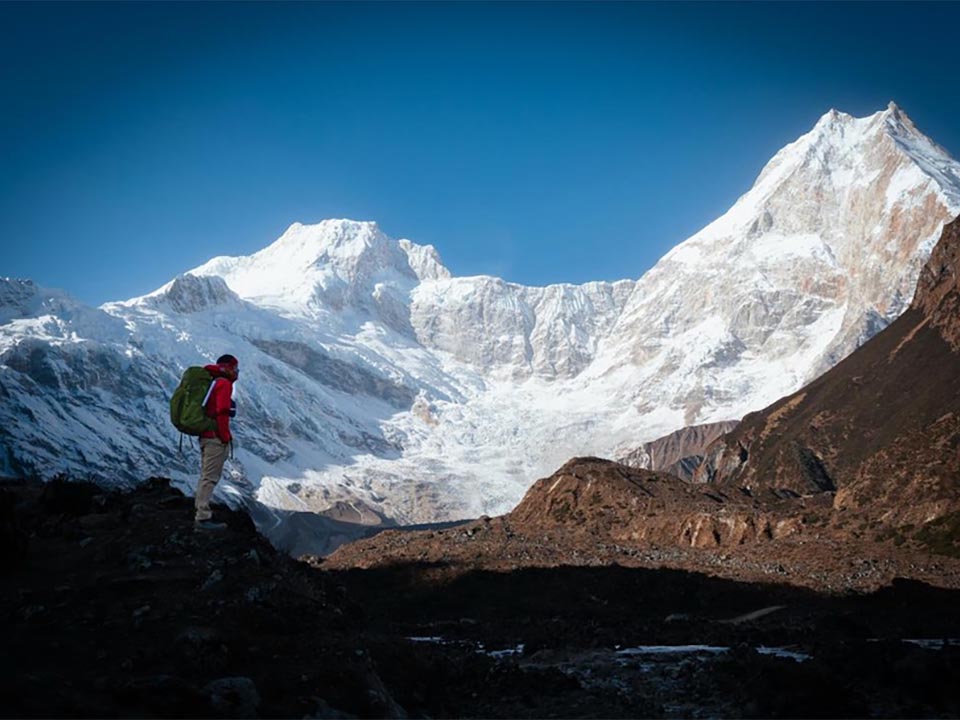
KATHMANDU, Nepal – Nepal’s mountain tourism sector is emerging as a major force behind the country’s post-pandemic tourism recovery, with growing international demand for trekking and mountaineering pushing visitor numbers to their highest levels since the COVID-19 pandemic.
The Himalayas continue to attract adventure seekers from around the world, generating revenue, creating jobs and spreading economic benefits into remote mountain communities. Trekking and mountaineering are playing an increasingly important role in Nepal’s economic recovery while strengthening the country’s position as a leading global adventure tourism destination.
After suffering a severe downturn during the pandemic, Nepal’s mountain tourism sector has staged a strong recovery. The number of international visitors recorded for mountain tourism rose nearly sixfold between 2021 and 2025, according to official tourism statistics tracking the sector’s recovery and changing visitor trends.
The year 2021 marked the low point for Nepal’s mountain tourism industry. Travel restrictions, limited international flights and uncertainty among travelers worldwide caused trekking and mountaineering activity to fall sharply, with only about 28,600 international visitors recorded throughout the year.
By 2024 and 2025, Nepal’s Himalayas had regained their position as a major adventure tourism destination. Mountain tourism visitors increased to 154,900 in 2024, with interest extending beyond Mount Everest to other popular peaks and trekking destinations, including Mera Peak, Island Peak and Lobuche East.
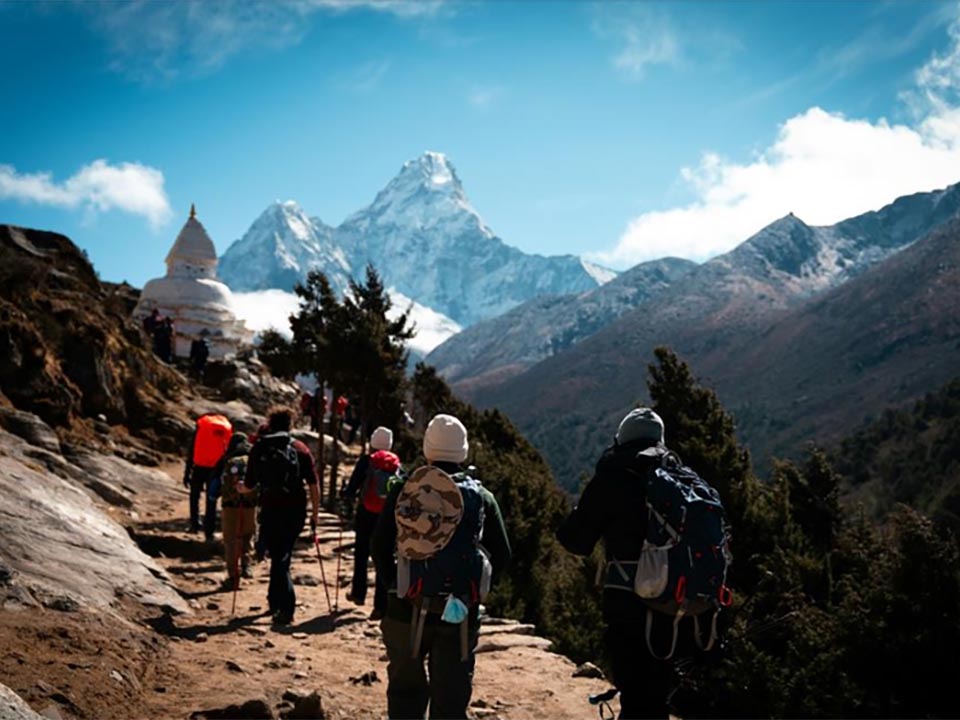
The number rose further to 165,056 in 2025, highlighting the growing importance of adventure tourism to Nepal’s wider tourism recovery. The economic impact extends well beyond visitor numbers, as each trekking and mountaineering expedition supports a broad network of workers and businesses.
Visitors spend money on hotels, food, transportation, guides, porters, equipment and local services. This spending creates direct and indirect employment, particularly in rural mountain communities where tourism remains one of the most important sources of income. The sector also generates government revenue through climbing permits and related fees.
Nepal is now seeking to sustain the growth of mountain tourism while making the sector more environmentally responsible in 2026. As visitor numbers increase, however, the country faces new challenges, particularly in environmental conservation and safety management. Climate change is already affecting the Himalayan landscape through melting glaciers, changing weather patterns and increased risks of avalanches. These factors could affect trekking routes and climbing conditions in the years ahead.
Nepal is therefore placing greater emphasis on responsible tourism and stronger safety systems. Training professional personnel has become an important priority, with mountain tourism organizations increasing efforts to develop skilled guides capable of providing international visitors with safer and higher-quality experiences.