
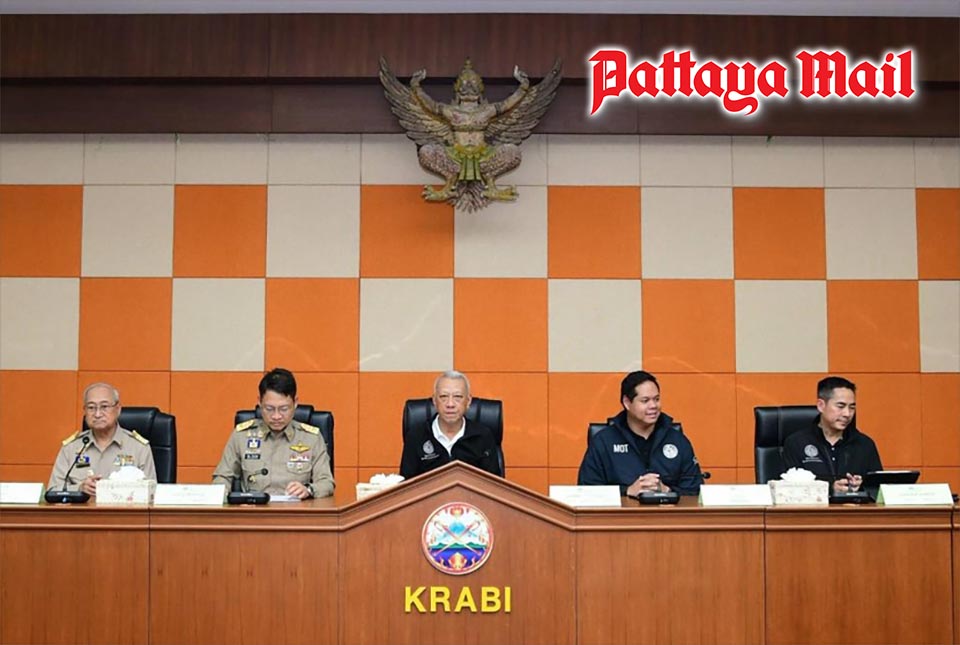
KRABI, Thailand – Thailand’s Transport Ministry is moving ahead with a major bridge project to connect Koh Lanta with the mainland in Krabi, with the construction contract scheduled to be signed on August 31 and completion expected in 2029. Deputy Prime Minister and Transport Minister Phiphat Ratchakitprakarn, accompanied by Deputy Transport Minister Sanphet Boonmanee, visited Krabi on August 23 to review transport infrastructure projects and development plans covering roads, waterways and air transport.
The delegation met with provincial officials, transport agencies, members of Parliament and local representatives to discuss infrastructure needs and obstacles, with the aim of developing a more integrated transport network for the province. Phiphat said Krabi has strong potential in agriculture, industry and commerce, but tourism remains a major opportunity to generate additional income for the province. He said transport development must be planned as one connected network, linking the airport, roads, public transport, ports, islands and major tourist destinations.
He instructed the Department of Highways and Department of Rural Roads to improve major and secondary routes leading to tourist attractions while coordinating projects among agencies to ensure transport investment delivers wider economic benefits.
Koh Lanta Bridge to Transform Island Access
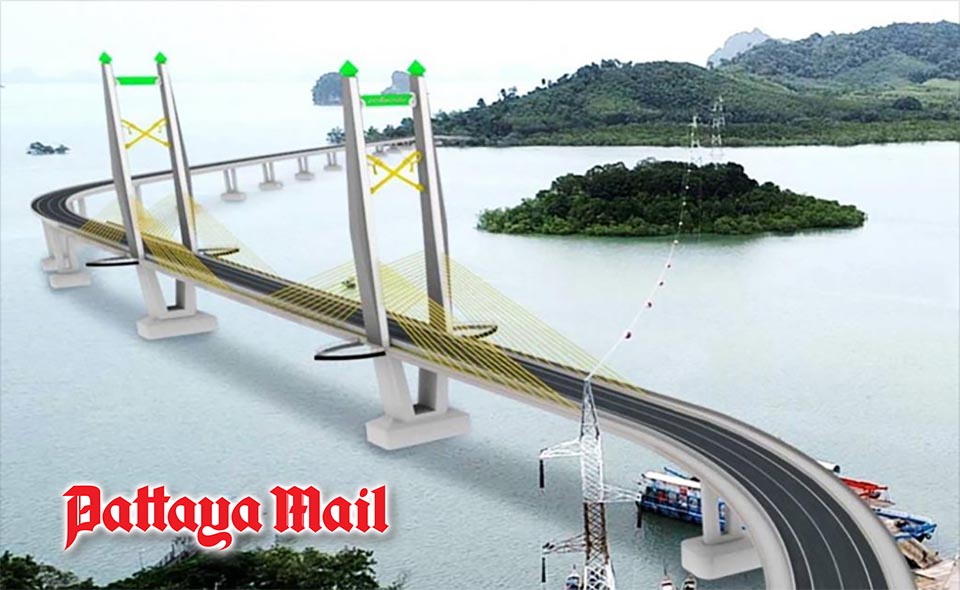
The key project is the Koh Lanta Bridge, which will provide a permanent road connection between Koh Lanta and the mainland. The Department of Rural Roads is preparing to sign the construction contract on August 31, 2026. Construction will take 1,080 days, with the bridge expected to be completed and opened to traffic in 2029.
The bridge is designed to accommodate more than 10,000 vehicles per day while improving road safety, goods transportation, emergency medical access and evacuation capabilities during disasters.
At present, travelers and residents between Koh Lanta and the mainland rely on car ferries. The service can cause delays and create difficulties for transporting goods, moving emergency patients and evacuating residents, particularly during peak tourist seasons and major holidays when vehicle numbers increase sharply.
The project will begin from Highway 4206 in Ko Klang subdistrict on the mainland, cross the Khlong Chong Lat waterway and connect with Rural Road Krabi 5035 on Koh Lanta Noi. The project will cover approximately 2.5 kilometers, including a bridge of about 1,780 meters and connecting roads totaling around 747 meters. The road will have two traffic lanes. The main bridge will feature a cable-stayed design combined with a balanced cantilever structure. Its architectural elements will incorporate the local identity of a traditional sailing ship mast and crossed swords, creating a distinctive landmark for Krabi.
The new connection is expected to make travel to Koh Lanta more convenient while strengthening logistics and improving access to essential services. It could also help the island handle growing tourism demand while reducing dependence on ferry services.
Push to Develop Khlong Thom as a Spa Destination
During the visit, local residents and MPs also proposed reviving the concept of “Khlong Thom Spa City,” an idea previously promoted by Phiphat during his tenure as Tourism and Sports Minister.
Khlong Thom has a range of natural and cultural attractions, including salt hot springs, hot waterfalls and the Emerald Pool, along with historical learning sites and the Ancient Bead Museum.
The proposed development would connect these attractions into a broader tourism route while expanding health, wellness and spa services. The goal is to encourage quality tourism, extend visitors’ length of stay and increase spending in the local economy.
Officials and tourism stakeholders also see the strategy as a way to distribute tourism revenue beyond Krabi’s main destinations, creating more opportunities for local communities and businesses. With the Koh Lanta bridge moving toward construction, the government hopes the new infrastructure will not only improve everyday travel for island residents but also become a key link in Krabi’s wider tourism and economic development network.