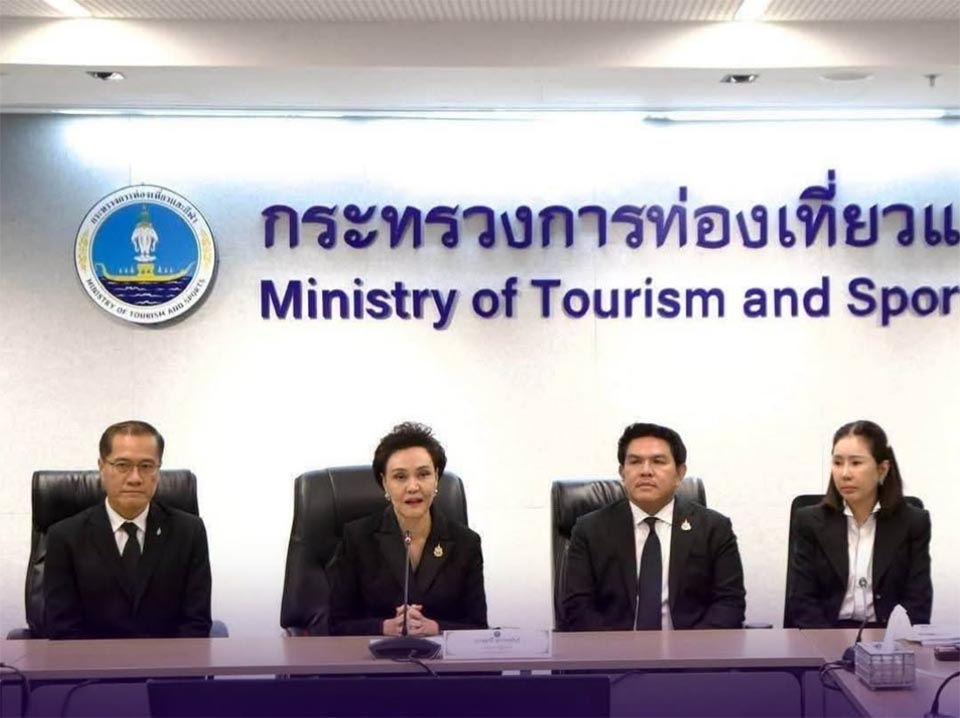
BANGKOK, Thailand – Thailand will shift its tourism strategy from prioritizing visitor numbers to focusing on high-value revenue, emphasizing increased spending, longer stays, enhanced safety, higher standards, and greater benefits for local communities. On August 14, Deputy Prime Minister and Minister of Commerce Suphajee Suthumpun, who oversees the Ministry of Tourism and Sports, directed agencies to identify high-potential markets by country and traveler segment. Data, digital technology, and artificial intelligence will be used to analyze traveler behavior and develop targeted strategies.
The Tourism with Purpose approach will promote medical and wellness tourism, business events, and beauty services. Hospitals, clinics, hotels, restaurants, spas, health services, and attractions will be integrated to encourage high-spending visitors to extend their stays. Thailand will leverage culture, cuisine, festivals, community lifestyles, and local assets to create year-round activities and distribute visitors and revenue more evenly between major destinations and lesser-known cities and communities.
Accommodation and tourism safety standards will be enhanced, and unlicensed properties will receive support to enter the regulatory system. Standards will also be established for homestays, camping, glamping, recreational vehicles, and tourism activities. Consideration of a tourism fee for foreign visitors will continue.
Area-based development will include Mu Ko Chang, the Songkhla Lake Basin, Chiang Rai, and Bang Kachao. Sukhothai, Si Satchanalai, and Kamphaeng Phet will serve as models for sustainable World Heritage tourism management. The Deputy Prime Minister also instructed government agencies to focus on reporting measurable outcomes and identifying regulatory bottlenecks, rather than simply listing completed activities, to ensure tourism remains a sustainable economic driver for Thailand. (NNT)