
BANGKOK, Thailand – Thailand’s high season brings renewed opportunities for tourism businesses, but rising visitor numbers are only part of the picture. The challenge is to turn that demand into satisfied guests, stronger business returns and lasting benefits for local communities.
International arrivals reached 538,661 during October 25–31, 2026, up 36,696, or 7.31%, from 501,965 the previous week. Despite that improvement, the weekly total remained 16% below the corresponding week last year.
Long-haul markets provided much of the momentum. Arrivals increased from 199,954 to 227,153, a gain of 27,199, or 13.60%, extending growth to a fifth consecutive week. Short-haul arrivals rose from 302,011 to 311,508, an increase of 9,497, or 3.14%.
For January 1–October 31, Thailand recorded approximately 25.464 million international arrivals, compared with 24.926 million through October 24. The January–October figure was 4.59% below the same period last year.
International tourism revenue reached approximately 1.241 trillion baht, up from around 1.21 trillion baht through October 24, but still 2.85% below the previous year. These figures underline the need to focus on both visitor growth and the value generated by each stay.
For businesses entering the busiest months, three priorities deserve attention: delivering the complete visitor experience, protecting returns and securing future business.
A successful holiday depends on more than a comfortable room. Staffing should match demand, transfers should run smoothly and promised services should be delivered reliably. Clear information and prompt problem-solving help build confidence, while connections with local restaurants, guides, shops and attractions give visitors more reasons to explore.
Full rooms must also produce stronger returns. High occupancy alone does not guarantee a profitable season. Businesses should monitor room yield, operating costs and spending per guest, using thoughtful packages and added value to protect margins.
The season also offers an opportunity to build business for the year ahead. Relationships with guests and travel partners can lead to repeat visits, referrals and future group bookings, particularly during quieter months.
A practical starting point is to choose one service improvement, one revenue measure and one action to encourage repeat bookings, assigning a clear owner to each. A successful season should leave visitors satisfied, businesses stronger and future reservations in place.
Winning confidence in the Chinese market requires a similarly focused approach. Over the next 12–24 months, Thailand can strengthen its appeal through trusted hospitality, wellbeing, regional food and cultural experiences that are easy to understand and book.
Clearly priced breaks built around reputable spas, Thai massage, rest and gentle activity could provide the foundation for a richer Thai holiday. Such experiences should offer choices for families, couples and older travellers across different budgets, with transparent inclusions and dependable service.
Regional food trails, markets and cooking classes can be combined with museums, heritage walks and visits to local makers. These experiences give travellers a stronger sense of place while directing spending towards local businesses.
Flexible three-, five- and seven-night packages, supported by useful Mandarin information and clear transport arrangements, would help turn interest into bookings. An illustrative day could combine a spa visit, a regional Thai lunch, a heritage walk and dinner that tells a local culinary story.
The aim should be to build confidence through trusted experiences, measuring spending, satisfaction and repeat visits alongside arrival totals.
Long-haul growth presents another immediate opportunity. These markets accounted for approximately 74% of the reported weekly increase in arrivals, contributing about 27,200 of the additional 36,696 visitors. Businesses can respond with longer-stay offers, convenient transfers and local experiences that are straightforward to purchase.
Dividing January–October international tourism receipts by arrivals gives a period-wide average of approximately 48,700 baht per arrival. This broad measure highlights the value of quality dining, wellness and cultural activities that encourage spending beyond accommodation.
Even a modest increase could have a substantial effect. At the reported weekly volume, an additional 1,000 baht spent per international arrival would generate approximately 539 million baht. This is an illustrative scenario, but it shows why improving the visitor experience can matter commercially.
Bangkok’s riverfront offers a timely opportunity to develop evening experiences. From November 13 to December 13, visitors can enjoy a month of light, colour and sound along the Chao Phraya. Hotels and tourism operators can connect stays with dining, cruises and heritage visits, supported by clear schedules and reliable return transport.
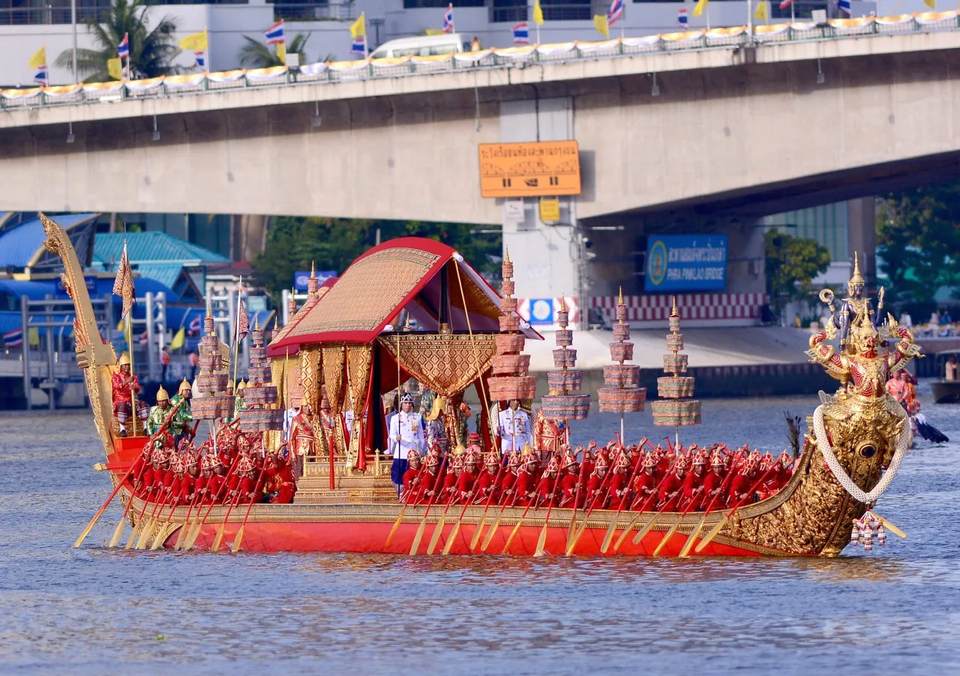
The river also provides a reminder of the cultural heritage that makes Thailand distinctive. The Royal Barge Narai Song Suban, built in 1996 to commemorate King Bhumibol Adulyadej’s Golden Jubilee, combines sacred symbolism with intricate craftsmanship.
Its striking gilded prow depicts Narai, or Vishnu, standing on Garuda. Measuring 44.3 metres, the vessel draws on earlier royal barge designs and forms part of a living tradition combining artistry, ceremonial chanting and the discipline of naval crews.
Royal barges participate in selected royal occasions, including journeys to present Kathin robes to monks. While Kathin is an annual ceremony, a royal barge procession is not an annual event.
Such heritage gives Thailand compelling stories to share. The task this high season is to connect those stories with reliable service and accessible experiences, giving visitors reasons to spend more, stay longer and return.
Sources: Ministry tourism figures reported by Khaosod English, The Nation and InnovestX; Thailand.go.th. Figures checked November 7, 2026. Spending calculations are rounded, and the additional-spending scenario and suggested itineraries are illustrative.
 Andrew J Wood
Chairman, Tourism Committee
Joint Foreign Chambers of Commerce In Thailand ▫ JFCCT
Website: www.jfcct.org