PATTAYA, Thailand – When the months of May to October arrive, bringing the rain during what is known as the Green Season, economic and tourist hubs such as Pattaya and Phuket usually become much quieter. Statistics show that the number of short-term tourists drops by roughly 20 to 30 percent, bringing average hotel occupancy rates down to around 30 to 40 percent.
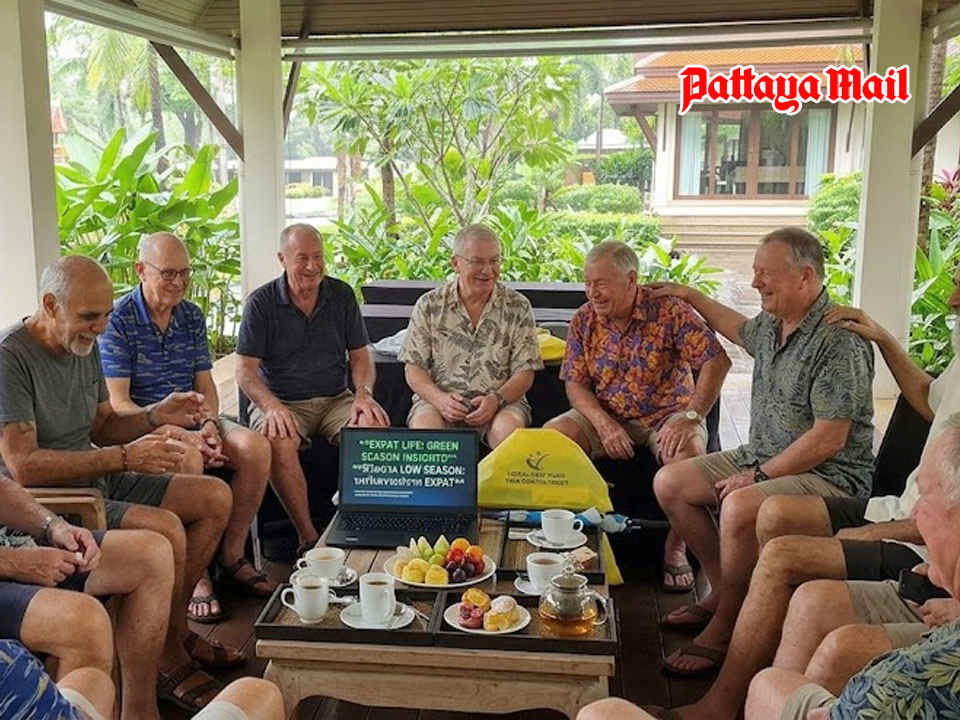
However, beneath this seemingly slow atmosphere lies a crucial period for long-term expatriates. They use the relative tranquility to manage their lives and assets while continuing to contribute to the local economy. Here are some of the main activities expats focus on during this period.
- Structuring legal frameworks and tax planning
With lighter traffic and unhurried schedules, the low season provides an excellent opportunity for expats to consult legal and tax experts and prepare for the year ahead.
- Navigating international tax standards: Expats review their income structures to ensure compliance with the Common Reporting Standard (CRS) and carefully examine Double Taxation Agreements (DTAs).
- Property ownership transparency: Due to strict government regulations, including the recent Memorandum of Understanding among 23 agencies to investigate and suppress illegal nominee structures, many expats use this time to verify title deeds and long-term leases. They also review their ownership structures to ensure transparency and strict compliance with Thai law.
- Engineering inspections and property renovation
Home maintenance is unavoidable, particularly when preparing for heavy rain and storms.
- Integrating engineering and legal compliance: Alongside structural renovations, roof repairs and drainage maintenance, property owners use this opportunity to ensure that building extensions comply with local building codes. This helps ensure properties are ready for personal use or high-end rentals when peak season arrives.
- Driving the local economy
Although short-term tourism slows down, the purchasing power of long-term residents remains an important economic driver.
- Long-Term Resident Visa statistics: Data from the Board of Investment (BOI) indicates that more than 7,000 Long-Term Resident Visas have been approved, generating more than 23 billion baht for the Thai economy.
- Low-season lifestyle: This spending flows into local communities through a range of recreational activities. Expats often take advantage of quieter venues to play golf, use health clubs and dine at local restaurants, helping sustain these businesses during the tourist slowdown.
- In-depth and uncrowded travel
Domestic travel during the Green Season offers a completely different experience. Lush, recovering nature and cooler weather encourage expats to explore other provinces or enjoy nearby staycations. With accommodation prices dropping by 30 to 40 percent from peak-season levels, they can enjoy excellent value and a more relaxed travel experience.
The low season is not a stagnant period but rather a time for organization and preparation. It provides an important window for lifestyle adjustments, asset improvements and, most importantly, ensuring that personal legal and tax structures remain transparent and compliant.
This careful planning helps long-term residents prepare for the renewed business and tourism activity that returns toward the end of the year.