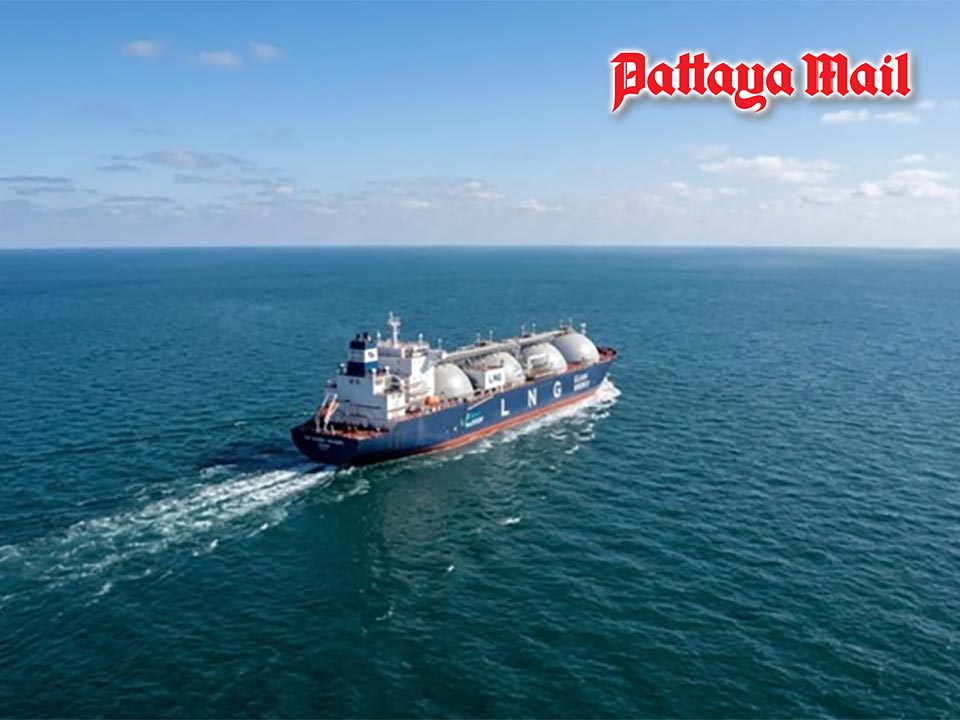
BANGKOK, Thailand – Ongoing instability in the Middle East, particularly disruptions affecting the Strait of Hormuz, has exposed the vulnerability of global energy supplies and reinforced the importance of long-term liquefied natural gas (LNG) contracts in safeguarding Thailand’s energy security.
Thailand relies heavily on imported crude oil and LNG from the Middle East, making it susceptible to supply disruptions, rising freight costs, higher insurance premiums, and volatile energy prices triggered by regional conflict.
LNG, or liquefied natural gas, plays a critical role in Thailand’s economy by fueling electricity generation, supporting industrial production, and powering parts of the transport sector.
Energy experts say the global LNG market is especially vulnerable during geopolitical crises. Qatar, the world’s second-largest LNG exporter after the United States, ships much of its supply through the Strait of Hormuz. Any disruption to production facilities or shipping routes can quickly tighten global supplies and drive prices sharply higher.
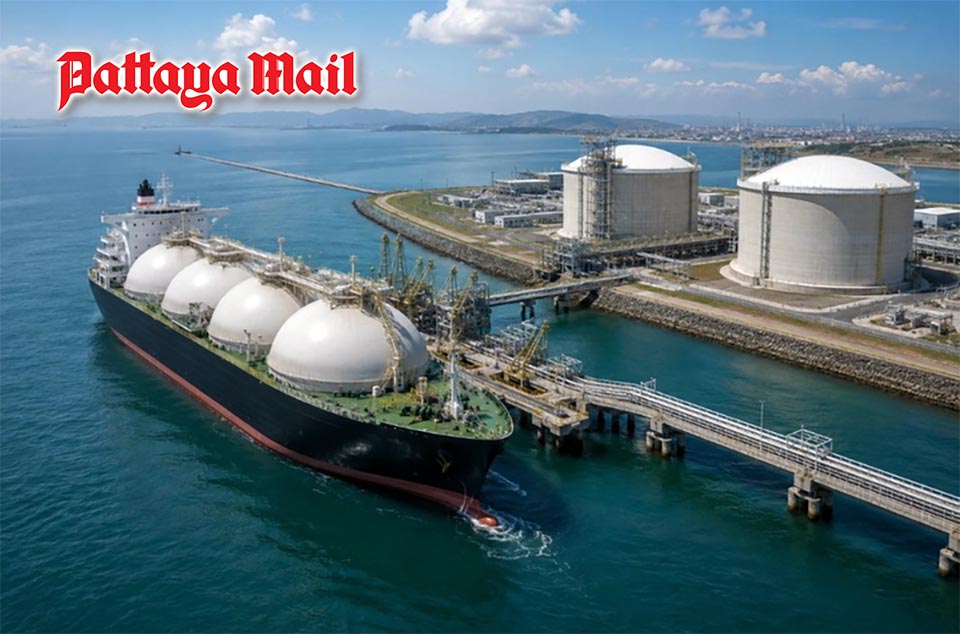
The conflict has also prompted importing nations across Asia and Europe to increase LNG purchases and build strategic reserves, adding further pressure to already constrained markets. LNG is typically purchased through two main methods: spot cargoes, which are bought at prevailing market prices for immediate delivery, and long-term contracts, which secure agreed volumes and pricing over extended periods. While spot purchases offer flexibility and can be cost-effective during periods of low prices, they expose buyers to significant risks during supply shortages, when cargoes become scarce and prices can surge dramatically.
Long-term contracts, by contrast, provide greater certainty over supply volumes and pricing, enabling governments and utilities to better manage costs and ensure stable fuel supplies for electricity generation. Officials also noted that long-term agreements support investment throughout the LNG supply chain, including liquefaction plants, export terminals, and shipping infrastructure, helping improve global supply stability over time.
Thailand’s experience during the Middle East tensions between March and June 2026 underscored the value of this strategy. Although additional spot cargoes were required to replace some disrupted supplies, existing long-term contracts with producers outside the conflict zone ensured that scheduled LNG deliveries continued at contract prices, which remained significantly lower than elevated spot market rates. Energy analysts say maintaining a balanced procurement strategy, anchored by long-term LNG contracts while retaining limited access to spot markets, remains essential for protecting Thailand’s electricity supply and shielding consumers from extreme price volatility.