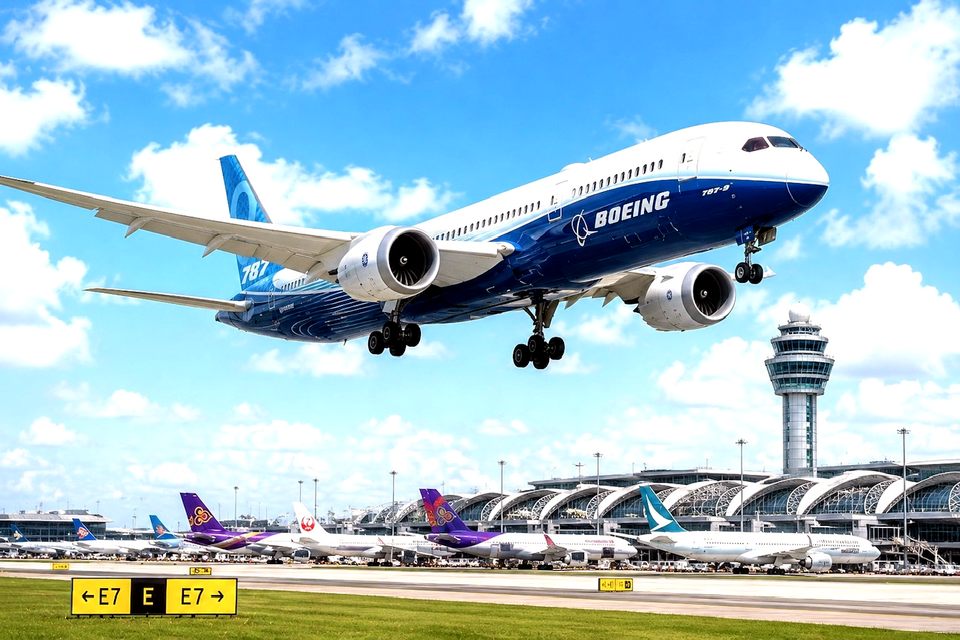
BANGKOK, Thailand – Boeing has released one of the most ambitious forecasts ever made for the global aviation industry, projecting a US$4.9 trillion aviation services market by 2045, more than 43,600 new commercial aircraft entering service and demand for over 2.4 million new aviation professionals.
These are far more than impressive statistics. They point to what could become the largest expansion in the history of commercial aviation and one of the most significant growth stories in global tourism. For an industry that was fighting for survival only a few years ago, the scale of the projected recovery is extraordinary.
A booming global fleet
According to Boeing’s latest Commercial Services Market Outlook, global passenger traffic is expected to double over the next two decades, while the world’s commercial fleet will expand by almost 80 percent to exceed 50,000 aircraft. Roughly half of all new aircraft deliveries will replace ageing fleets, while the remainder will support rising passenger demand.
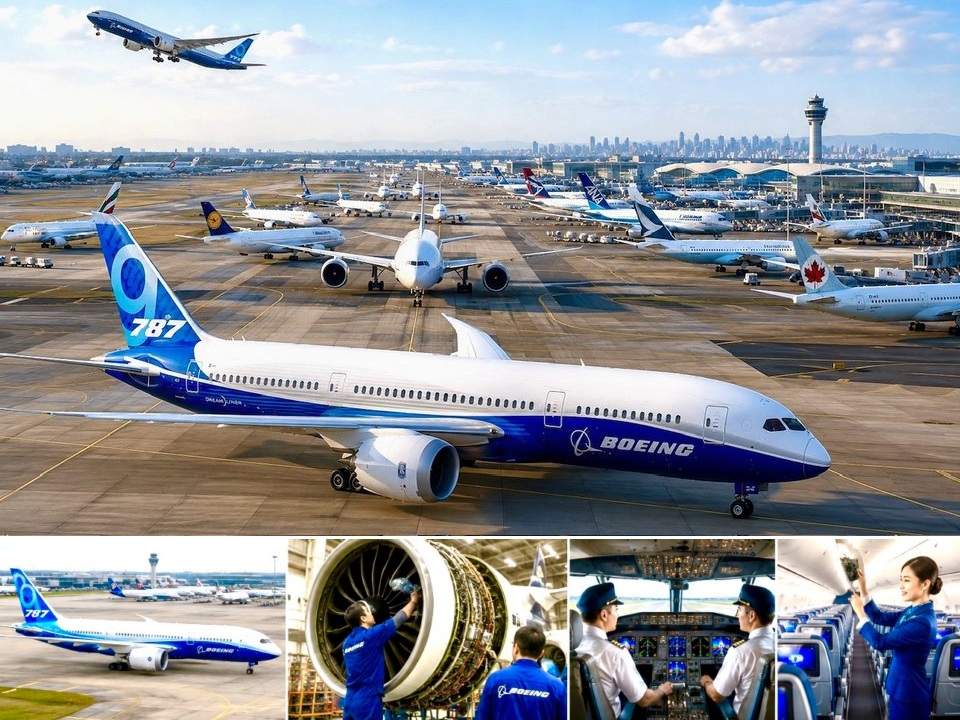
Yet the real story extends well beyond aircraft production. Every new aircraft requires pilots, cabin crew, engineers, maintenance facilities, spare parts, digital support systems and increasingly sophisticated logistics networks. Boeing estimates that by 2045 the industry will need 674,000 new pilots, 728,000 maintenance technicians and more than one million cabin crew members.
Significantly, around two-thirds of these positions will replace retiring professionals, while only one-third will support industry growth. This highlights what may become aviation’s greatest challenge: replacing decades of accumulated experience while preparing a new generation to operate increasingly advanced aircraft.
Technology helps, but people remain essential
Technology will undoubtedly play an important role. Artificial intelligence, predictive maintenance, digital aircraft monitoring and immersive training systems are expected to transform airline operations. However, technology alone cannot replace sound judgement, operational experience and rigorous training.
Aviation has always been—and will remain—a people business. That reality is particularly important for tourism. Hotels, resorts and visitor attractions may be the visible face of travel, but aviation remains the essential foundation upon which international tourism depends. Every additional aircraft generates economic activity far beyond the airline itself, supporting airports, engineering companies, convention centres, tour operators, hospitality businesses and thousands of small enterprises throughout the tourism economy.
Southeast Asia’s opportunity
For Southeast Asia, the outlook is especially encouraging. Boeing forecasts that the region will require approximately 258,000 additional aviation professionals over the next two decades, reflecting its position among the world’s fastest-growing aviation markets.
Thailand appears well placed to benefit. Its strategic location, mature tourism industry and well-developed aviation infrastructure provide a strong platform for future growth. However, success cannot be taken for granted. Airports must continue expanding, engineering capabilities need strengthening, training institutions require greater capacity and regulatory systems must evolve alongside rapidly changing technology. Aircraft can be ordered. Skilled professionals cannot.
Thailand’s seaplane opportunity
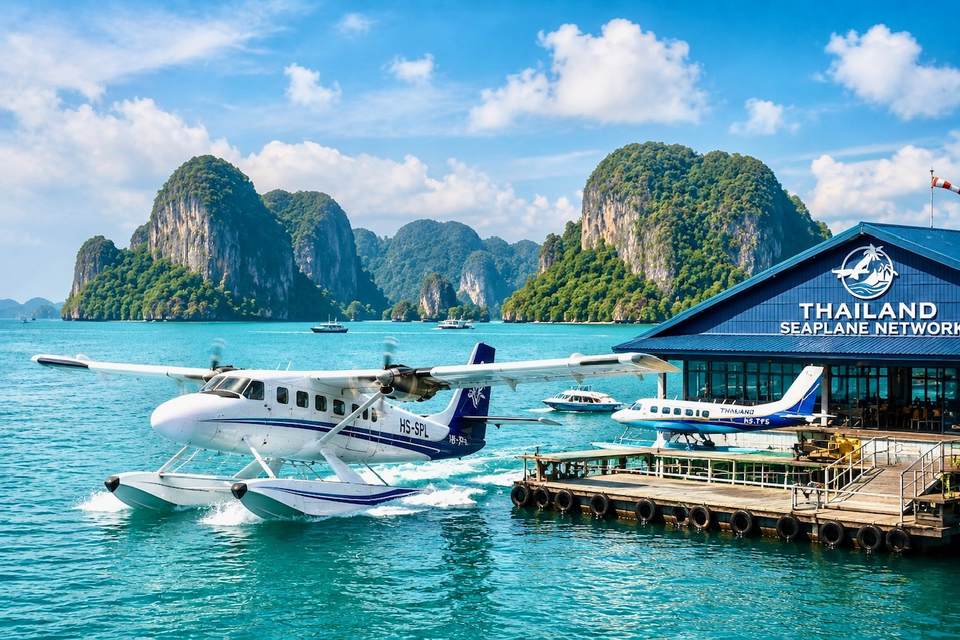
Against this backdrop, renewed interest in commercial seaplane operations has generated considerable discussion. Siam Seaplane’s recently announced plans to introduce scheduled amphibious aircraft services present an imaginative concept with genuine potential for Thailand’s premium tourism market. The proposal offers attractive possibilities, particularly for linking luxury island resorts and coastal destinations while creating distinctive visitor experiences.
Nevertheless, seaplanes should be viewed in perspective. They represent a specialised niche rather than a fundamental transformation of Thailand’s aviation landscape. Like executive helicopters and private business jets, they are likely to serve a premium market rather than mainstream passenger transport.
History also provides valuable lessons. Previous ventures, including Yellow Bird, demonstrated both the appeal and the commercial challenges associated with seaplane operations in Thailand. Beyond acquiring aircraft, operators require specialised water aerodromes, environmental approvals, marine traffic coordination, maintenance infrastructure, trained crews, insurance support and a comprehensive regulatory framework. Most importantly, sufficient passenger demand must exist to justify the significant investment.
The Maldives has shown how successful seaplane tourism can become under the right geographic conditions. Thailand, however, already benefits from an extensive network of airports, highways and ferry services, reducing the number of routes where amphibious aircraft offer a clear commercial advantage.
None of this diminishes the importance of innovation. Premium tourism continues to evolve, and carefully planned niche aviation services may well identify profitable opportunities. The challenge will be balancing ambition with commercial reality.
The future is about people
Ultimately, Boeing’s remarkable forecast is about far more than aircraft. It is about people, skills and the infrastructure that keeps global tourism moving. Whether through major international airlines or innovative niche operators, aviation’s future will depend not only on technological advances but also on sustained investment in training, maintenance, safety and smart regulation.
For Thailand, the opportunity is considerable. By continuing to invest in its aviation workforce while encouraging carefully managed innovation, the Kingdom can further strengthen its position as one of Asia’s leading aviation and tourism hubs. The skies ahead are likely to become busier than ever. Ensuring there are enough skilled professionals to keep those aircraft flying safely may prove to be aviation’s greatest achievement.
About the author
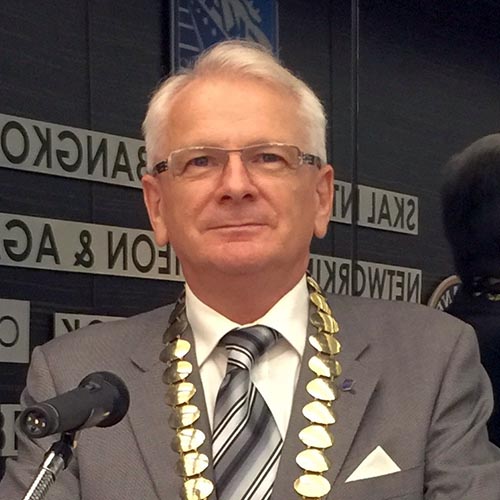 Andrew J. Wood is a Bangkok-based media executive, travel writer and former hotel executive specialising in Asian tourism. A former Director of Skål International and Past President of Skål Asia, he has lived in Thailand since 1991 and has spent more than four decades working across the region’s hospitality and aviation industries.