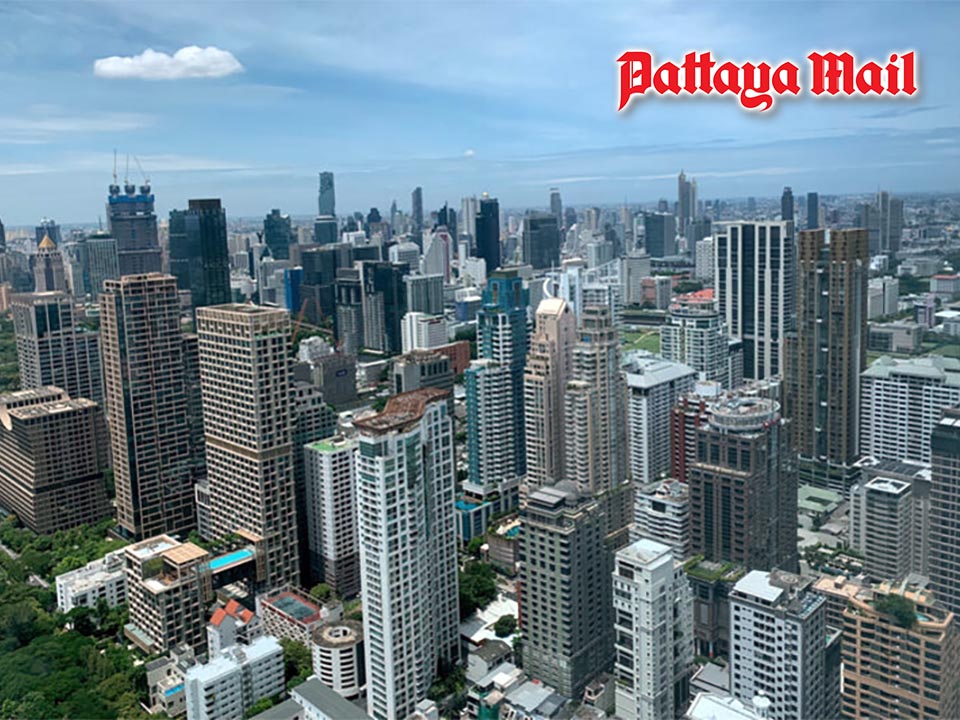
BANGKOK, Thailand – Thailand’s condominium market remained under heavy pressure in the second quarter of 2026, with new project launches plunging 67% from the previous quarter as developers shifted their focus from expansion to clearing a massive backlog of unsold homes. Just 2,332 new condominium units were launched during the quarter. Although first-half launches totaled 9,501 units, market analysts expect full-year supply to remain limited at 17,000 to 20,000 units, as weak economic conditions, tight mortgage approvals and ongoing geopolitical uncertainty continue to weigh on buyer confidence.
Developers are increasingly avoiding Bangkok’s affordable condominium segment, where mortgage rejection rates remain high, instead targeting higher-end projects in prime locations or expanding into resort destinations such as Phuket. Many new developments are being launched as completed, ready-to-move-in projects to generate immediate cash flow. The biggest challenge remains the country’s growing inventory of unsold condominiums. According to property market data, Thailand now has more than 200,000 unsold condominium units with an estimated combined value of 700 billion baht. Most are priced between 2 million and 4 million baht, and at the current sales pace the market could take until 2028 to absorb the excess supply.
As a result, developers have dramatically changed their sales strategies to improve cash flow.
Bulk sales of completed units to investors have become increasingly common, while many projects are offering deep discounts, rent-to-own programs, lease-before-purchase options and extended payment plans. Others are redesigning existing units into larger layouts without increasing prices in an effort to attract buyers seeking more space. Promotional campaigns have also intensified across the sector. Incentives now include discounts of several million baht, free transfers, waived down payments, years of free common-area fees and payment holidays lasting up to three years.
Some developers have introduced “try before you buy” schemes that allow buyers to live in a property while making payments similar to rent, with the option to purchase later or walk away without penalties. Others are offering installment plans extending up to five years before full mortgage repayments begin. Despite the difficult market, some industry participants believe the prolonged slowdown has finally brought supply closer to equilibrium after several years of restrained new construction. While affordable condominiums continue to face financing challenges, demand remains relatively resilient for well-located projects in the mid-market segment. For now, however, liquidity remains the industry’s top priority, with developers focused on selling existing inventory rather than launching large numbers of new projects until market conditions improve.