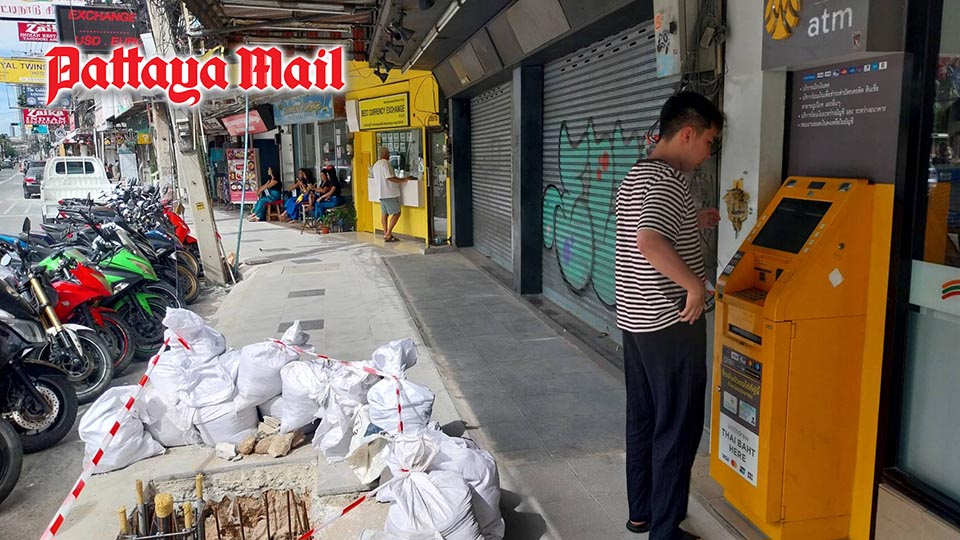
PATTAYA, Thailand – A tourist stops at an ATM, withdraws a few thousand baht, and heads off to enjoy another day in Pattaya. It is a routine scene repeated thousands of times across the city every day. Yet behind each transaction lies a larger story about tourism, spending, and Pattaya’s place in an increasingly competitive market. Visitors arrive carrying dollars, pounds, euros, yuan, rupees, and other currencies that eventually flow into hotels, restaurants, bars, shops, transport services, and attractions. The spending supports countless jobs and businesses, from hotel receptionists and market vendors to taxi drivers and restaurant workers. For decades, Thailand built its tourism success on a simple formula: offering experiences that many visitors considered exceptional value for money. Pattaya became one of the country’s most recognizable destinations, attracting everyone from backpackers and retirees to families and luxury travelers.
Today, however, that value proposition faces new pressures. The Thai baht has remained among Southeast Asia’s strongest currencies, trading around 32.5 to 33 baht against the U.S. dollar. While that may reflect confidence in the economy, it also means foreign visitors receive less for their money than they once did. At the same time, the cost of accommodation, dining, transportation, and entertainment has steadily risen. Many visitors, particularly long-term travelers familiar with the region, increasingly compare Thailand with neighboring destinations such as Vietnam, Indonesia, and the Philippines, where exchange rates often stretch travel budgets further. The issue is not necessarily that Pattaya has become expensive. Rather, travelers are asking whether the overall experience still matches the price being paid. The city continues to offer a unique mix of beaches, nightlife, dining, entertainment, and convenience that few destinations can replicate. Yet visitors also notice issues such as traffic congestion, aging infrastructure, inconsistent service standards, and occasional dual-pricing practices. In an era dominated by online reviews and social media, comparisons between destinations are easier than ever.
For Pattaya’s businesses, this means competing on more than price alone. Visitors who feel they have received good service, fair treatment, and memorable experiences are far more likely to return and recommend the destination to others. Ultimately, tourism remains a two-way exchange. Visitors leave with memories, experiences, and stories to take home. Pattaya gains jobs, investment, business revenue, and economic activity that supports thousands of local families. As regional competition intensifies and travelers become more selective about where they spend their money, the city’s long-term success may depend less on how many tourists arrive and more on whether they leave believing Pattaya delivered genuine value. A simple ATM withdrawal may last only a few seconds, but it represents a choice. In today’s tourism market, earning that choice is becoming more important than ever.