In his 1954 poem Ode to Wine, the distinguished Chilean poet Pablo Neruda lovingly described wine as the “starry child of the earth.” Perhaps he was inspired by the sight of a glass of sparkling wine, its stream of minuscule bubbles wandering ever upwards. I’ve always thought that summer is an ideal time for sparkling wines, though I know some people who drink them at every opportunity, summer or not.
Sparklers are traditionally enjoyed well-chilled, and the combination of a bubbly, cold wine on a warm summer’s evening is an invigorating experience. If the wine is also pink, so much the better, for a bit of colour elevates the spirits and brings extra delight to the occasion. Pink sparkling wine, often known by its French name rosé (ro-ZAY), combines crisp, refreshing bubbles with fruity flavours of strawberry, raspberry and citrus. And somehow, a pink sparkler looks rather classy too.
Contrary to popular belief, pink sparkling wines are not particularly new. They can be traced back to 18th-century France, when they were made by adding red grape skins briefly to fermenting white grape juice. The oldest known rosé Champagne was produced at the Champagne house of Ruinart in 1764, the same year that the eight-year-old Mozart was composing his first symphony.
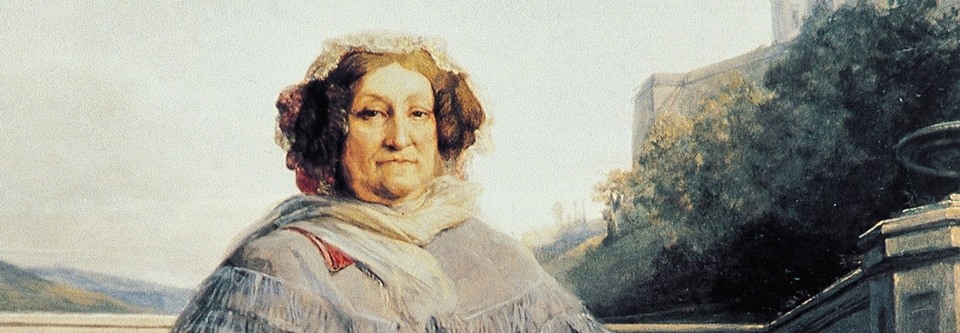
In 1818, Madame Barbe-Nicole Clicquot (later known as Veuve Clicquot or The Widow Clicquot) discovered that adding a small amount of red Pinot Noir to white Champagne produced a stable, consistently vibrant pink sparkling wine. This method still remains the industry standard. Surprisingly perhaps, it wasn’t until 1981 that France officially recognised rosé Champagne. Nearly forty years later, Italy finally approved the production of pink Prosecco in 2020, allowing winemakers to blend their classic white Glera grapes with up to 15% of red Pinot Noir.
We tend to associate sparkling wines with celebratory occasions, perhaps because they are light, fizzy and frothy. By nature, they seem more suited to joyful glugging rather than to thoughtful reflection. The bottles look rather special, too, for they usually come with an expensive-looking silver or gold foil that conceals the wire cage (called a “muselet”) that holds the cork in place. Nothing looks more imposing on the table than a few bottles of sparkling wine. Of course, you can enjoy sparklers whenever you want, and with their light, tangy acidity, they make a perfect apéritif to perk up your appetite before dinner.

The French word apéritif (uh-peh-ruh-TEEF) comes from the Latin aperire, meaning “to open”. These drinks are generally dry, crisp, or slightly bitter and meant to stimulate the appetite without overwhelming the senses. People have enjoyed pre-dinner drinks for centuries. The practice may have started in ancient Greece, where bitter herbal wines were often used to restore the appetite. The modern apéritif was born in Italy in 1786, when the distiller Antonio Benedetto Carpano invented vermouth, a fortified white wine flavoured with flowers, seeds, herbs, plant roots, tree bark and spices, then sweetened with spirit.
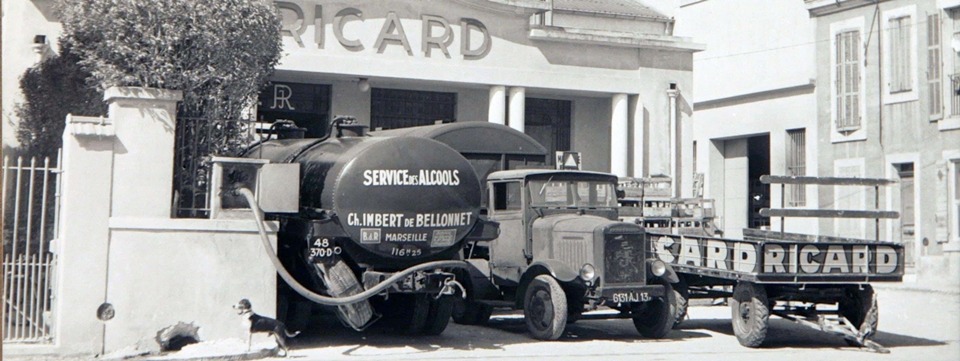
Although originally intended for medicinal purposes, it soon became fashionable in Italian cafés, and Antonio’s shop in Torino was open twenty-four hours a day to meet the demand. In 1846, the French chemist Joseph Dubonnet created a drink infused with herbs and quinine to help French soldiers in North Africa tolerate the unpleasant anti-malarial medicine. The drink became so popular that it spawned a truck-load of French apéritifs, many of which remain popular today. These include iconic brands such as Byrrh, Pernod, Ricard and of course, the original Dubonnet.
But let’s get back to sparkling wines. You could make a sparkling wine from virtually any grape, but some work better than others. Winemakers frequently offer at least one sparkling wine among their products, and in Europe, there are a few dozen sparklers that have become classics. Many are produced in France, including Blanquette de Limoux, which hails from the Languedoc region and is made from the little-known Blanquette grape. Some French sparkling wines are known as crémant, usually named after the place of origin, such as Crémant d’Alsace. Italian Prosecco is made mostly from the Glera grape, and the popular Moscato d’Asti, as the name implies, is made from Moscato grapes in the province of Asti.
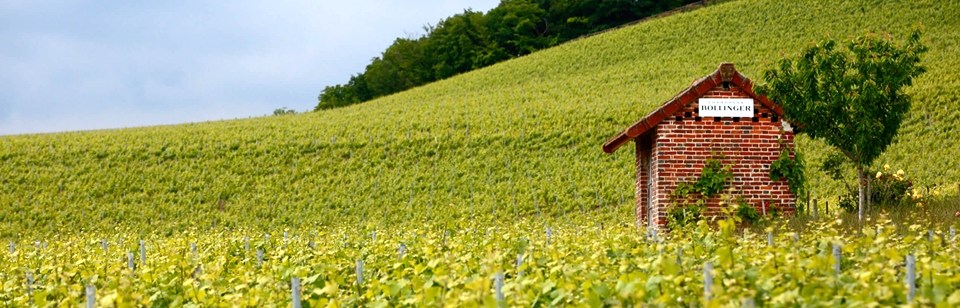
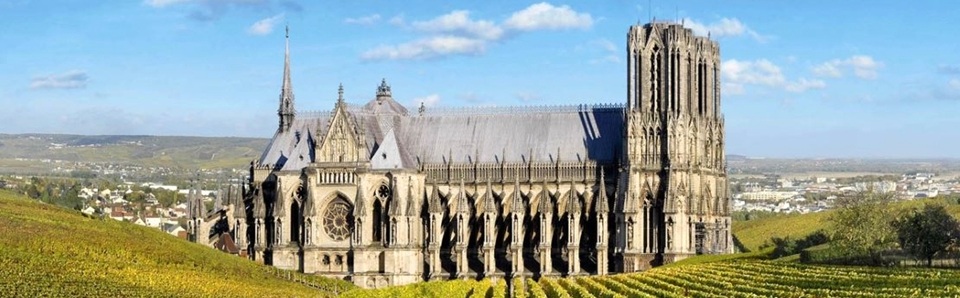
And then there’s Champagne. It is famously referred to as “the wine of kings, and the king of wines”. The expression reflects the wine’s deep historical ties to French royalty, where it was served at opulent coronation banquets held at Reims Cathedral. Despite what the old song says, champagne was not invented in a single night but evolved over many years as new technologies were developed. Champagne is relatively expensive because, apart from the enormous worldwide demand, it is produced using the Méthode Champenoise, a lengthy, complicated and labour-intensive process.
It is also one of the most difficult wines to make successfully. In Thailand, a bottle of Champagne retails from about Bt 1,000 for an entry-level Champagne up to whatever price you can afford. Medium-priced examples from top names such as Bollinger, Dom Pérignon or Charles Heidsieck start at around Bt 5,000. Luxury premium wines like the prestigious Dom Pérignon Rosé cost about Bt 21,000, and a Louis Roederer vintage Champagne will set you back around Bt 30,000.
But are they worth the price? In my view, if the price is astronomical, the product is probably aimed at people with more money than sense. As for cheaper Champagnes, I think the answer is fairly simple. They are worth the price only if you can tell the difference between real Champagne and a high-quality alternative sparkler. If you can’t (and I can assure you that you’re not alone), then you may as well save your money and buy something cheaper.
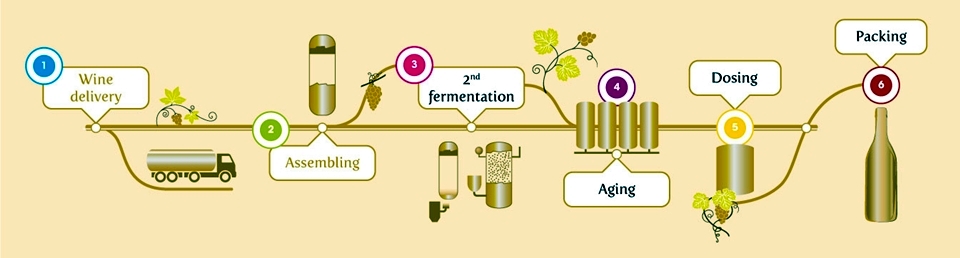
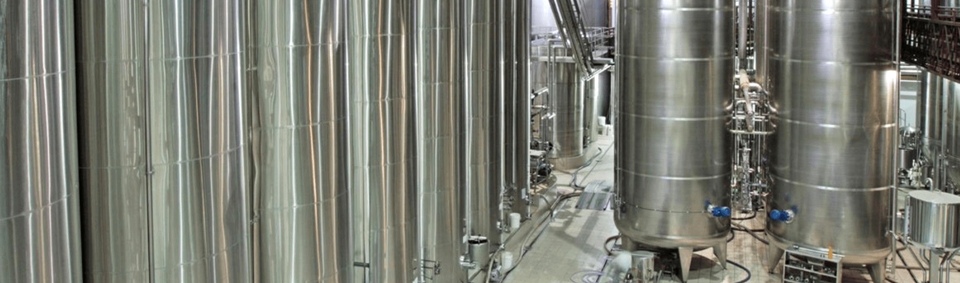
Vin Mousseux is the French catch-all term for sparkling wine. It literally means “foamy wine”, and it acts as an umbrella category for any sparkler produced in France that doesn’t qualify for more prestigious designations. Some of these wines are produced in the same way as Champagne, which involves a secondary fermentation in the bottle. However, the vast majority use the cost-effective Charmat method in which the wine undergoes its secondary, bubble-producing fermentation in massive, pressurised stainless-steel tanks. This method is in use worldwide. Some of the very cheapest sparklers are made in the same way as fizzy soft drinks, simply by injecting pressurised carbon dioxide into the liquid.
Louis Perdrier, Brut d’Excellence Rosé, France. Bt 566 + VAT @ Vines to Vino, Thepprasit Road, Pattaya.
Vines to Vino has a retail outlet about halfway up Thepprasit Road in Pattaya, where the company offers an extensive range of quality wines – many at bargain prices. This sparkling rosé is a high-quality product from the Louis Perdrier company, founded in 1878 in Beaune, the wine capital of the Burgundy region in eastern France. It’s a blend of Ugni Blanc, Colombard, Chenin, Folle Blanche, and the little-known Menu Pinea, a native of the Loire Valley, frequently used in blends to soften high-acidity wines. The word Brut indicates that the wine is dry with just a hint of balancing fruitiness, and it’s the most popular style of sparkling wine. Extra-dry sparklers are labelled Extra Brut, and these are as dry as the proverbial bone.
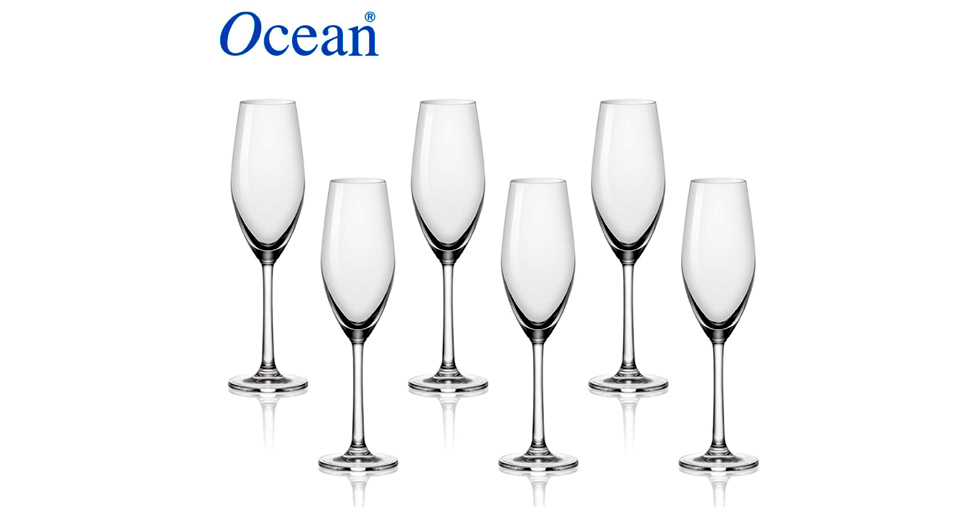
This wine is an attractive greyish-salmon pink with faint flecks of orange. There’s a delicate fruit aroma with notes of raspberry, watermelon and gooseberry, with a dash of citrus. These secondary aromas appear rather leisurely, so give them time. There’s a pleasing frothiness, followed by numerous fine bubbles. Sparkling wines always look their best in a champagne flute, a tall, narrow glass that enhances the stream of bubbles. You paid for the bubbles, so you may as well enjoy them. The makers recommend serving the wine at 8°C (46°F). That’s just a few degrees above fridge temperature, but it won’t do any harm to serve it straight out of the fridge. In our tropical climate, the wine will soon become warmer.
I found the palate quite lively, with a pleasing balance of acidity and gentle notes of raspberry and candied fruit, and a long, clean, satisfying finish. It’s a light and slightly sweet wine, a refreshing easy-drinker at only 11% ABV. It would make a good partner for light food and Thai-style snacks, but I would prefer it as an apéritif. It would be perfect to drink on a warm summer evening before dinner in the garden, if you have one. The well-respected Wine Enthusiast magazine states, “This soft, lightly sweet sparkling wine has ripe raspberry-candy flavours. It’s a gentle wine, attractive as an apéritif.”
If you are looking for something a little cheaper, you might try the Paul Chamblain Burgundy Brut Rosé (Bt 349 + VAT), also available at Vines to Vino. It’s a blend of Pinot Noir, Syrah, and Cinsault, and evidently a little bit drier than the Perdrier. The wine has generally had good reviews in the press. Vines to Vino also offers the Italian slightly sweet Val D’Oca Prosecco Rosé Millesimato (Bt 585 + VAT). On the other hand, if you want to push the boat out and try a more expensive rosé champagne, try their classic Ruinart Champagne Rosé or the superb Bollinger Rosé. The highly respected House of Bollinger was established in 1829 and it produces a range of luxury Champagnes which, you might recall, were the preferred choice of James Bond.
When Jacques Bollinger died in 1941, his grandly-named wife, Élisabeth Law de Lauriston Boubers, took over the company. Better known as Lily, she bought more vineyards, expanded production and travelled the world to promote the Bollinger brand. In 1967, she launched the Bollinger RD vintage, which became one of the world’s most prestigious Champagnes. She once famously said, “I drink Champagne when I’m happy and when I’m sad. Sometimes I drink it when I’m alone. When I have company, I consider it obligatory. I trifle with it if I’m not hungry and drink it when I am. Otherwise, I never touch it – unless I’m thirsty”.