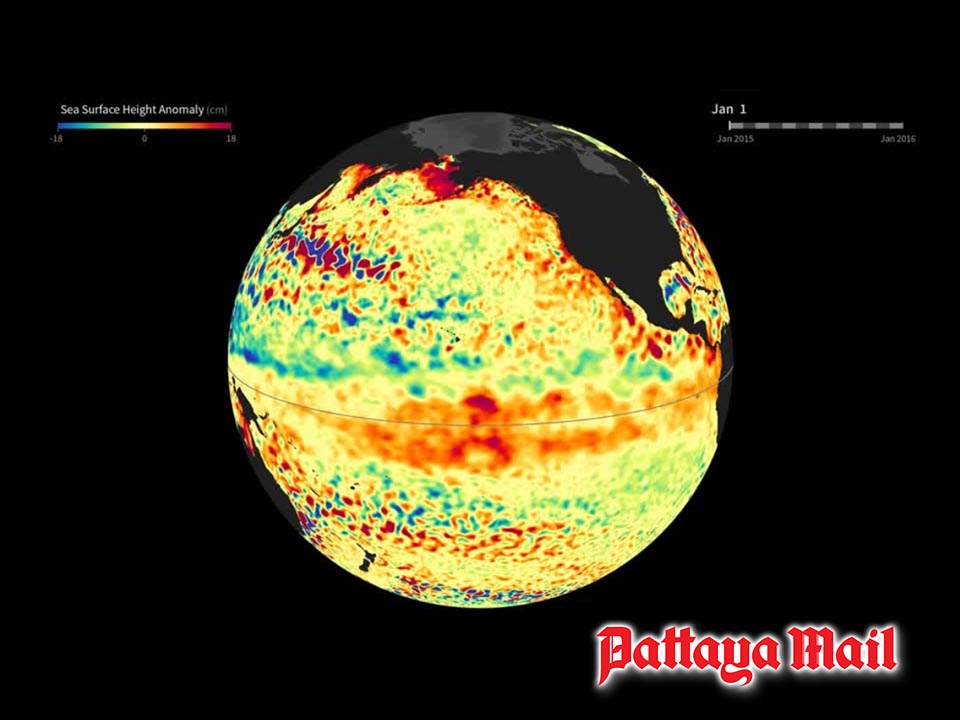
GENEVA – The World Meteorological Organization (WMO) has warned that the world may be facing a moderate to very strong El Niño event, which could significantly drive up global temperatures and increase the risk of extreme weather in the coming months. The United Nations weather agency said El Niño is a natural climate phenomenon characterized by unusually warm sea surface temperatures in the central and eastern Pacific Ocean.
Each event typically lasts around 9 to 12 months. In its latest outlook, the WMO said rapidly warming ocean conditions are accelerating the development of the current El Niño, which is expected to push global average temperatures above normal levels through at least August, with possible impacts extending into November. WMO Secretary-General Celeste Saulo stressed the need for preparedness, warning that a stronger-than-usual El Niño could worsen drought conditions, trigger heavy rainfall, and increase the likelihood of heatwaves both on land and in the oceans. She added that the most recent El Niño event in 2023–2024 was one of the contributing factors to 2024 being recorded as the hottest year in history.
Monitoring of the equatorial Pacific shows a rapid rise in sea surface temperatures since late April to mid-May. The organization also reported unusual subsurface warming across tropical Pacific regions, with temperatures more than 6 degrees Celsius above average in some areas. This stored heat is now driving further warming at the ocean surface. The WMO said the impacts will vary by region. Increased rainfall is expected in parts of South America, southern United States, the Horn of Africa, and Central Asia. In contrast, Australia, Central America, Indonesia, and parts of South Asia may face severe drought conditions.
The agency also warned that El Niño conditions can influence tropical cyclone activity, potentially increasing the likelihood of hurricanes forming in the central and eastern Pacific. While scientists have not conclusively determined whether climate change increases the frequency or strength of El Niño events, the WMO emphasized that global warming is likely to amplify their impacts, making heatwaves and flooding more severe than in the past.