BANGKOK, Thailand – A survey by the Ministry of Commerce’s Trade Policy and Strategy Office (TPSO) reveals that household debt levels require close monitoring as living costs rise. The survey, conducted in February 2026 among 6,469 respondents nationwide, found that 62.44% of the public currently carry debt, with government employees, farmers, and freelancers reporting the highest levels of indebtedness.
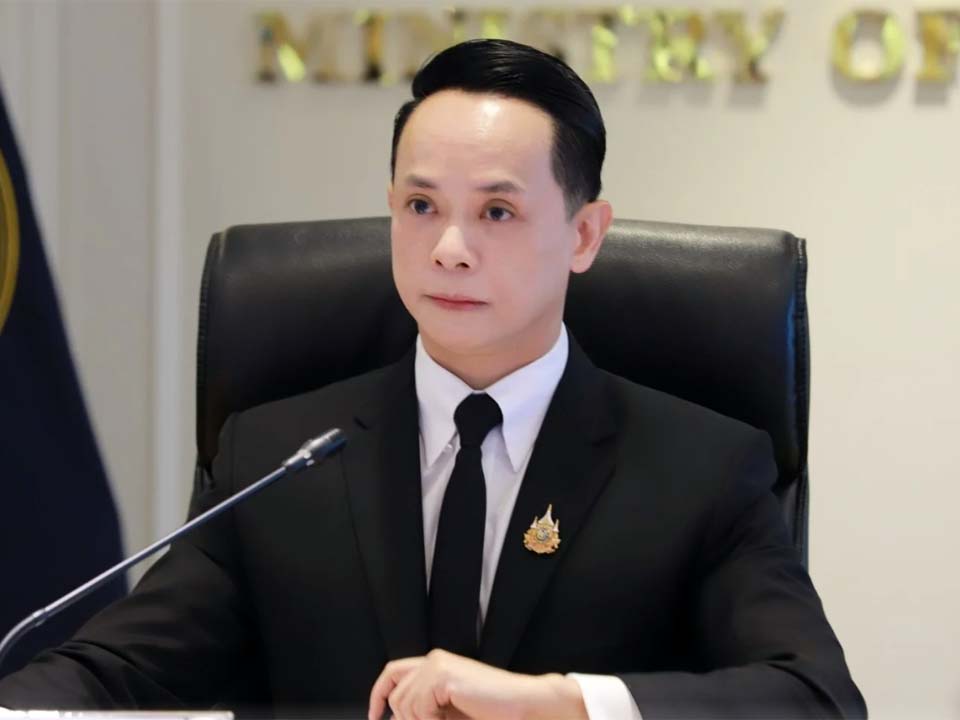
Nantapong Chiralertpong, TPSO Director and Ministry spokesperson, stated that survey results indicate debt proportions rose slightly in 2025 due to higher daily expenses. For 2026, the public tends to be more financially cautious. The data shows that the proportion of indebted individuals increases alongside income, with the group earning over 50,000 baht reporting the highest percentage of debt.
Regarding debt types, 78.86% are in the formal system, while 13.72% have both formal and informal debt, and 7.43% are in the informal system. Retirees, the unemployed, and freelancers were found to have significantly higher informal debt burdens. Meanwhile, respondents aged 20–29 showed a significant trend in using online installment and credit platforms. Students, in particular, utilized online platforms for debt at 31.55%, followed by student loans (GSF).
The survey also indicated that 61.84% of respondents aim to create no new debt in 2026. Business owners tend to take on debt to sustain their operations rather than for expansion. Conversely, fixed-income groups, such as government and private employees, are more likely to incur debt for asset acquisitions. The Ministry of Commerce will continue to monitor the situation closely, focusing on managing goods prices and living costs to support domestic consumption and income generation. (TNA)