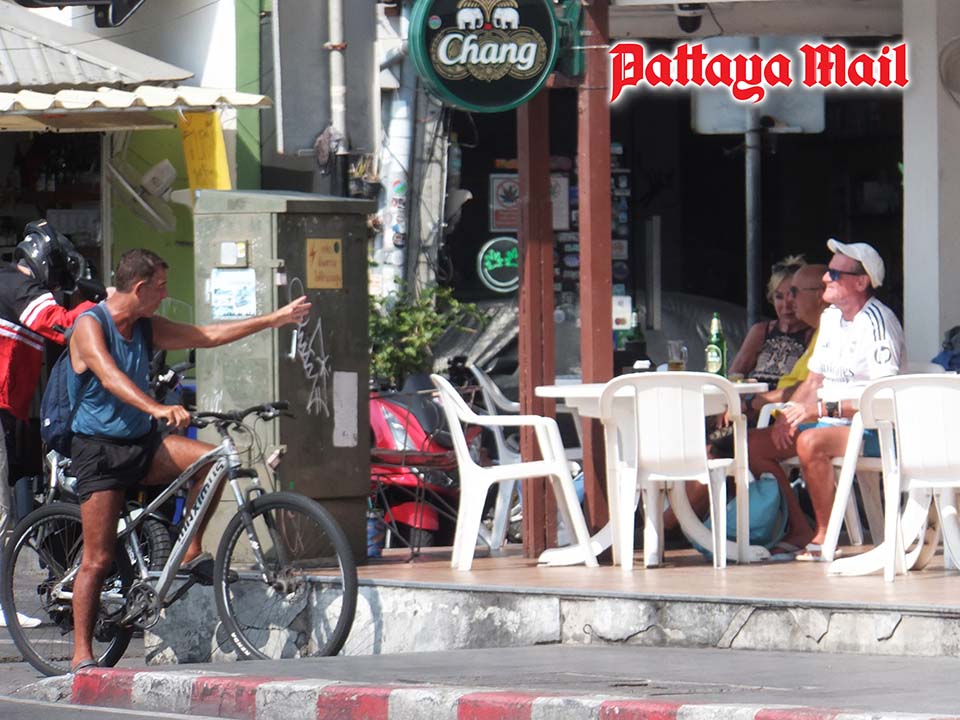
PATTAYA, Thailand – Every year when Songkran arrives in Pattaya, the city transforms almost overnight. What is normally a coastal destination with its own daily rhythm becomes a full-scale water festival stretching across streets, beaches, and nightlife zones.
For many long-term visitors and residents, this shift is nothing new. Songkran is understood as part of Thailand’s cultural fabric — a time for celebration, release, and community spirit. Most accept that routines will be disrupted, errands delayed, and quiet moments replaced by music, crowds, and water splashing from morning until late into the night.
Yet, as the celebration period in Pattaya now stretches from around April 10 through the Wan Lai days on April 18–19, some are beginning to question not the festival itself, but its duration and intensity.
The issue raised in many conversations is not resistance to Songkran, but the lack of clear boundaries. In earlier years, water play often followed a more predictable rhythm, easing off by evening. Today, in some areas, it can feel continuous — making it difficult for those who need to work, commute, or simply move around the city without being drawn into the festivities.
There is also a growing sentiment that while the spirit of Songkran remains widely respected, a clearer “pause” each day — whether by time or designated zones — could help balance celebration with everyday life. For long-term residents, it is not about stopping the fun, but about ensuring the city remains livable during one of its busiest periods.
At the same time, many defend the extended celebrations, pointing out that Pattaya’s Songkran has evolved into a major tourism draw. The longer duration brings economic benefits and attracts visitors looking for exactly this kind of high-energy experience.
The reality, as always in Pattaya, lies somewhere in between. Songkran is both tradition and tourism, both celebration and disruption. And while most are willing to embrace the chaos for a few days, the conversation now turning quietly among locals and long-term visitors is simple: not whether Songkran should continue, but whether it needs clearer limits to keep the balance right.