PATTAYA, Thailand – Thailand is once again turning to Songkran as both a cultural celebration and an economic lifeline—but beneath the water fights and festival optimism lies a deeper question: can a few days of travel really carry the weight of a slowing, strained economy?
Every year, Songkran delivers a surge. Hotels fill, flights spike, highways clog, and cash flows—at least temporarily. In 2026, the push feels even more deliberate. Authorities have rolled out a wave of support measures, from toll waivers and fuel price interventions to expanded transport services and airport incentives. The strategy is clear: stimulate movement, boost spending, and keep the tourism engine running.

But this year, the urgency is harder to ignore.
Rising fuel costs, global energy volatility, and a strong baht have quietly eroded the spending power of both tourists and long-term visitors. Across destinations like Pattaya and beyond, businesses are already feeling the strain. For many, Songkran is no longer just a peak season—it is a critical moment to recover losses and stay afloat.
Even where arrival numbers remain stable, spending patterns are shifting. Travelers are becoming more cautious, opting for shorter stays, tighter budgets, and fewer discretionary purchases. The result is a growing imbalance: crowded destinations, but thinner margins.
“It’s not the crowds that matter anymore—it’s what they spend.”
That shift is forcing a deeper rethink of Thailand’s tourism model. For years, the country has relied on high visitor volumes to drive growth. But as costs rise and regional competition intensifies, volume alone may no longer be enough to sustain the sector.
At the same time, structural pressures are becoming harder to ignore. Operating costs are climbing, infrastructure in key tourist areas is under strain, and concerns over pricing practices continue to shape visitor perceptions. Competing destinations are increasingly offering better value, drawing away budget-conscious travelers.
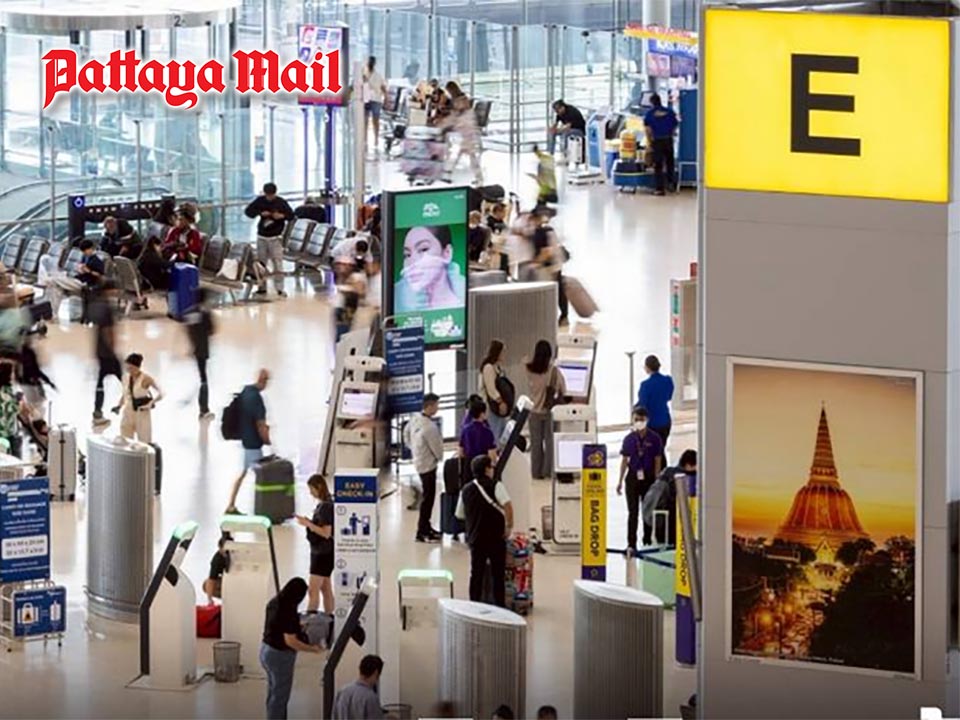
Songkran will, as always, deliver a boost. Airports will be packed, roads congested, and beaches alive with activity. The economic pulse will quicken—briefly.
But once the festival ends, the bigger questions remain.
Will businesses generate enough income to sustain the months ahead?
Will visitors return beyond peak seasons?
And can Thailand adapt to a changing travel landscape where tourists are more selective, more price-sensitive, and less predictable?
Songkran 2026 may provide relief. It may buy time. But it also underscores a growing reality: Thailand is not just celebrating the festival—it is relying on it.
And when an economy leans this heavily on a single moment, even one as powerful as Songkran, it begins to reveal not just its strengths—but its vulnerabilities.