PATTAYA, Thailand – With the Songkran holiday approaching, a new nationwide survey suggests that concerns over a possible oil shortage and declining confidence in the government could dampen travel plans during what is normally the country’s busiest festive period.
The survey, conducted by the National Institute of Development Administration through its NIDA Poll research center, gathered responses from 1,310 adults across Thailand between March 17 and 18. The poll explored public reactions to the country’s fuel situation and whether people believe government assurances that Thailand still holds about 98 days of oil reserves.

The findings show widespread anxiety. Nearly half of respondents admitted feeling alarmed about the possibility of an oil shortage, with about one-third saying they are “somewhat panicked” and nearly 18 percent saying they are “very panicked.” While some respondents said they were not worried, the overall mood suggests growing unease about how the situation might affect daily life.
The concern is not purely theoretical. More than half of those surveyed reported already experiencing some level of disruption in their daily routines due to fuel issues. Around one-third said they had encountered occasional problems, while nearly a quarter said the impact had been significant. Only about a third said they had not experienced any problems at all, and a small group noted they do not rely on fuel in their daily lives.
Confidence in the government’s ability to manage the situation also appears fragile. The poll found that 44 percent of respondents said they are not confident both that the country’s oil reserves will last the claimed 98 days and that authorities will be able to secure additional supplies if needed. Just under 29 percent said they trust both claims, while others expressed mixed views, either believing reserves may last but doubting the government’s ability to obtain more fuel, or vice versa.
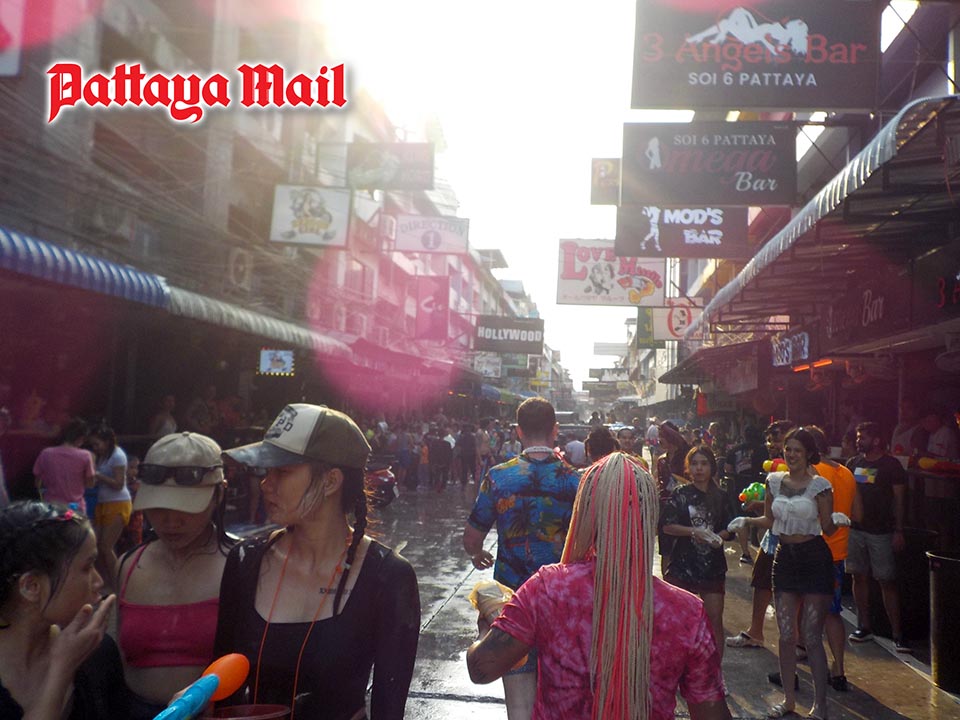
The potential impact on the upcoming Songkran festival is particularly notable. Thailand’s New Year celebration normally triggers one of the largest annual travel waves, with millions heading to their hometowns or tourist destinations. However, the survey indicates that uncertainty over fuel supplies could alter those plans.
Although many respondents said they had no travel plans for the holiday in the first place, a significant portion of those who had intended to travel said they were reconsidering. Nearly 15 percent said they would cancel their trips entirely if the fuel crisis continues. Others said they would still travel but plan to adjust their transportation methods, destinations, or both. Only a relatively small share said they would continue with their original plans unchanged.
For the tourism sector and transport operators, the numbers could be concerning. Songkran typically brings a surge in domestic tourism, filling hotels and boosting business across the country. If even a modest percentage of travelers decide to cancel or scale back trips because of fuel concerns, the economic ripple effects could be felt across multiple industries.
The poll highlights a growing gap between official reassurances and public sentiment. While authorities emphasize that Thailand has adequate reserves and the situation remains under control, the survey suggests many people remain unconvinced.
With just weeks to go before Songkran festivities begin, restoring public confidence may prove just as important as securing fuel supplies. Otherwise, the traditional rush of holiday travel could turn into a far quieter celebration than usual.