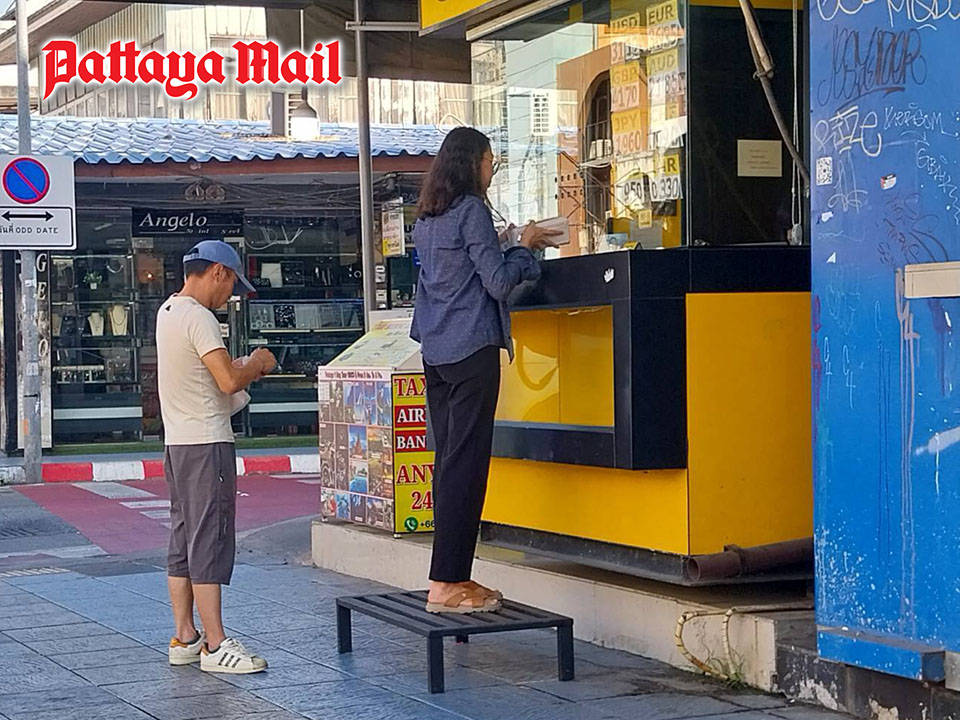
PATTAYA, Thailand – As global tensions and economic uncertainty continue to ripple through financial markets, Thailand’s currency is showing signs of weakening — a development that could unexpectedly benefit the tourism industry in Pattaya.
According to the Kasikorn Research Center, the Thai baht is expected to trade in a range of 31.70–32.10 baht per US dollar during the week of March 9–13. The forecast comes after the currency recently slid to around 31.95 baht per dollar, its weakest level in nearly three months.
Analysts say the depreciation is being driven by a combination of factors, including rising geopolitical risks linked to tensions in the Middle East, foreign fund outflows from Thai markets, and higher global oil prices. Investors have also moved toward the US dollar as a safe-haven currency during the uncertainty.
While currency weakness often raises concerns for the broader economy, tourism-dependent destinations such as Pattaya could see some upside.
A weaker baht effectively increases the purchasing power of foreign visitors. For tourists arriving with US dollars, euros, pounds or other major currencies, everyday expenses — from hotel rooms and meals to nightlife and entertainment — suddenly become more affordable.

In a city built around international tourism, that price advantage can make a significant difference.
Local tourism operators say exchange rates are often one of the first things repeat visitors check when planning trips to Thailand. When the baht strengthens, long-term visitors frequently complain that the country feels more expensive than competing destinations in Southeast Asia.
But when the baht softens, the equation changes.
“If the currency weakens, Pattaya becomes more attractive again,” said one tourism worker in the city. “Visitors feel their money goes further.”
The timing could be particularly important. Tourism flows to Thailand have recently faced new uncertainties linked to disrupted international flight routes and higher travel costs stemming from tensions in the Middle East.
With some airlines adjusting schedules and fuel prices rising globally, travel expenses for long-haul visitors have increased. A weaker baht could partially offset those costs by lowering on-the-ground spending once tourists arrive.
Beyond travel budgets, currency movements also affect the large community of long-term foreign residents in Pattaya. When the baht weakens against Western currencies, retirees and long-term visitors living on overseas pensions or savings effectively see their income stretch further in Thailand.
At the same time, economists warn that a weaker baht also reflects broader economic pressures, including concerns about capital flows and rising energy costs.
Still, for Pattaya’s tourism-driven economy — where affordability has always been a key selling point — a softer currency may provide a much-needed advantage.
As global uncertainty continues to influence markets and travel patterns, the direction of Thailand’s currency could quietly play an important role in shaping how attractive Pattaya remains for international visitors.