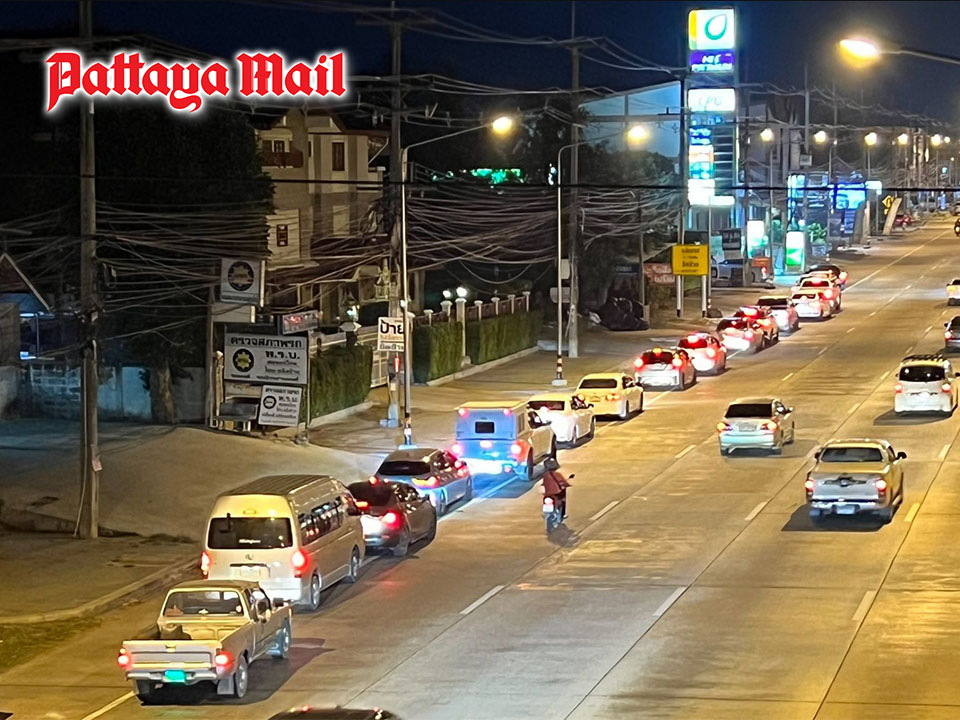
PATTAYA, Thailand – Authorities in Thailand have reassured residents, businesses, and tourists that the country’s energy supply remains stable, with sufficient reserves in place to prevent disruptions—even as global concerns about oil supply continue to make headlines.
According to Energy Minister Auttapol Rerkpiboon, Thailand currently maintains an estimated 95 days of oil reserves, including domestic stockpiles and additional supplies secured from alternative partners. The government has also introduced precautionary measures to strengthen national energy security amid global market uncertainties.
Officials explained that if imports were completely disrupted, existing domestic reserves alone could sustain the country for around 65 days. Additional oil supplies arranged from outside the Middle East—including partners such as the United States, South Africa, and Malaysia—would provide roughly another 30 days of coverage, bringing the total reserve estimate close to three months.
For major tourism hubs such as Pattaya, officials say there is no immediate cause for concern. Fuel supplies for transportation, tourism operators, and local businesses remain steady, and daily activities across the city continue as normal.
Visitors are still arriving in large numbers, filling hotels, restaurants, and entertainment venues, while taxis, tour buses, and the city’s iconic baht buses continue operating without interruption. Tourism stakeholders say the situation has had no visible impact on the city’s tourism flow, with beaches, attractions, and nightlife areas remaining lively.

To safeguard domestic supply, the government has temporarily suspended most oil exports, except for shipments to neighboring countries Laos and Myanmar, due to existing energy cooperation agreements. Oil traders have also been instructed to increase mandatory stockholding levels from 1 percent to 3 percent, helping expand the country’s reserves.
In addition, the government is using the Oil Fuel Fund to freeze diesel prices for 15 days, helping limit the impact of potential fuel price volatility. Authorities have also instructed provincial officials to closely monitor fuel distribution and prevent hoarding at service stations.
Meanwhile, contingency plans are being prepared to further strengthen energy stability. These include securing additional liquefied natural gas imports, increasing electricity generation from hydropower and coal plants, and expanding domestic gas production where possible.
Officials emphasized that the measures are preventive, designed to ensure Thailand remains well-prepared if global supply conditions tighten.
For tourists visiting Pattaya, the message from authorities and tourism operators is clear: travel plans can continue as usual, with fuel supplies, transportation services, and tourism activities operating smoothly across the city.