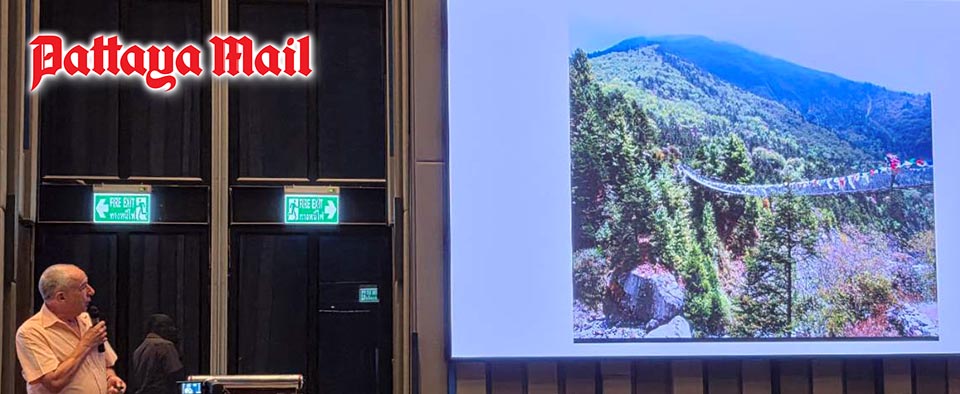
PATTAYA, Thailand – In November 1987, a group of intrepid runners, including Terry Burbidge, embarked on a journey that would push the boundaries of human endurance and adventure: the first-ever Mount Everest Marathon. Recognized by the Guinness Book of Records as the highest marathon in the world, the race began just below Everest Base Camp at a staggering 17,000 feet and finished at Namche Bazaar, the Sherpa capital of Nepal.
Terry’s path to Everest was paved with years of running, from local club races to ultramarathons and the grueling Three Peaks Yacht Race, which involved running up the highest mountains in Wales, England, and Scotland. Inspired by an advertisement in a running magazine, Terry was drawn to the Everest challenge by the lure of the unknown and the opportunity to attempt something unprecedented.
Unlike traditional marathons, the Everest event required 2.5 weeks of trekking to the start line, allowing runners to acclimatize to the thin air—just 50% of the oxygen available at sea level. The course itself was primarily downhill, with over 2,000 meters of descent, but included punishing uphill sections and rough, rocky terrain. Medical teams accompanied the runners, monitoring their health and studying the effects of high-altitude running, while Sherpas and yaks helped carry supplies through the Himalayan landscape.
The marathon was not just a test of physical and mental strength; it was also a charitable endeavor, raising funds for Nepalese causes and promoting awareness of the region. Participants signed waivers acknowledging the risks, including the lack of insurance for repatriation in case of death—a stark reminder of the dangers involved.
On race day, November 27, 1987, runners faced freezing temperatures, with −20°C overnight and −12°C at the start. Of the 45 starters, 42 finished the race, with altitude sickness and ankle injuries accounting for the few who did not complete the course. Stuart Darfield claimed victory in 4 hours 53 minutes, while Terry finished 18th, just behind the first female finisher. The camaraderie among runners and the spirit of adventure were palpable throughout the event.
The Everest Marathon lives on, now held every two years with additional race options, including shorter distances and an ultra-version. Terry cherishes the experience and memorabilia from the event, emphasizing the importance of pursuing dreams and attempting difficult goals: “Failure is not as bad as not having a go,” Terry reflects.
Following the presentations, MC Ren Lexander brought everyone up to date on upcoming events followed by the Open Forum portion of the meeting where questions are asked and comments made about Expat living in Thailand, especially Pattaya. To learn more about the PCEC, visit their website at https:/pcec.club. To view the video of Terry’s presentation, visit the PCEC’s YouTube Channel at https://www.youtube.com/watch?v=urYhVfFFmX4.