Men’s Health Thailand by Dr. Niti Navanimitkul
For many men, a diagnosis of prostate cancer comes with two major worries:
“How serious is my cancer?” and “Will the treatment change my quality of life?”
Traditional treatments such as surgery to remove the whole prostate or full-gland radiotherapy can be very effective at controlling the disease. However, they may also carry important risks, especially regarding urinary control and sexual function. Because of this, doctors and researchers have been looking for ways to treat just the part of the prostate that contains the cancer, rather than the entire gland. One of these newer approaches is called focal therapy.
What is focal therapy?
You can think of focal therapy as “spot treatment” for prostate cancer.
Instead of removing or treating the whole prostate, focal therapy focuses only on the main cancer area that has been identified on MRI and biopsy. The aim is to destroy the tumour while leaving as much normal prostate tissue, nerves and surrounding structures as possible.
Different types of energy can be used to do this, for example:
High-Intensity Focused Ultrasound (HIFU) – using focused sound waves
Cryotherapy – freezing the cancer
Irreversible Electroporation (IRE or ‘NanoKnife’) – using short electrical pulses
Laser or light-based treatments in selected centres
Not every technique is available everywhere, and research is still ongoing to compare them and to understand their long-term results.

Who might be a candidate?
Focal therapy is not suitable for everyone with prostate cancer. In general, it may be considered for men who:
֍ Have cancer that is confined to the prostate (localized disease)
֍ Have low- or selected intermediate-risk cancer
֍ Have one main tumour that can be clearly seen and accurately targeted on MRI and biopsy
֍ Want to balance cancer control with preserving urinary and sexual function as much as possible
Focal therapy is usually not recommended if the cancer is very aggressive, involves many areas of the prostate, or has already spread outside the gland.
A urologist will look at your PSA level, MRI, biopsy results and overall health before deciding whether focal therapy is an option in your case.
Possible advantages
For carefully chosen patients, focal therapy may offer several potential benefits:
- Better urinary control – because only part of the gland is treated, the risk of long-term incontinence is generally lower than with some whole-gland operations.
- Better chance of maintaining erections – important nerves and blood vessels can often be preserved.
- Shorter recovery – many men go home the same day or after one night in hospital and return to everyday activities fairly quickly.
- Future options remain open – if needed in the future, it is often still possible to have surgery, radiotherapy or even another focal treatment.
It is important to remember, however, that focal therapy does not guarantee that no further treatment will ever be needed.
Risks and side effects
Although focal therapy is less invasive than many traditional treatments, it is still a medical procedure and carries risks. Some men experience:
- Burning, urgency or frequency when passing urine
- Temporary difficulty urinating, sometimes requiring a catheter
- Changes in erections or ejaculation
- Blood in the urine or semen for a short time
- Urinary infection or inflammation of the prostate
Because the rest of the prostate remains in place, there is also a chance that:
- Some cancer cells may stay in the treated area, or
- New cancer may appear later in other parts of the prostate
For this reason, regular follow-up is essential.
 What happens before and after treatment?
Before focal therapy, most men will have:
- PSA blood tests
- A detailed MRI scan
- Targeted and systematic prostate biopsies
- A full discussion of all appropriate options – including active surveillance, surgery, radiotherapy and focal therapy – with the pros and cons of each
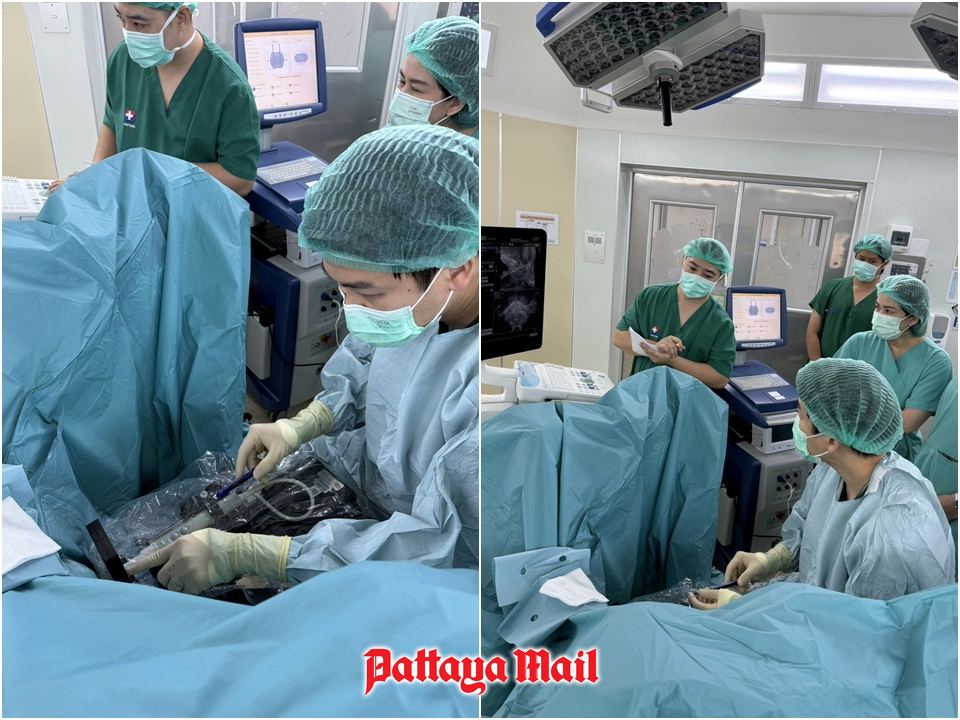
During the procedure, you will usually have spinal or general anaesthesia. The doctor uses ultrasound and/or MRI guidance to place a probe or needles in exactly the right position and then delivers the chosen type of energy to the cancer area only.
After treatment, you may:
- Stay in hospital for just one night or go home the same day
- Have a temporary catheter for a few days
- Feel some discomfort in the pelvic area, usually controlled with tablets
- Be able to return to light daily activities within several days, depending on the exact technique and on your job
Your doctor will give you personalised advice about driving, work, sport and when to resume sexual activity.
Follow-up and long-term outlook
Because part of your prostate is still there, long-term monitoring is a key part of focal therapy. This usually includes:
- Regular PSA tests
- Repeat MRI scans
- Occasional repeat biopsies if there is any concern
Follow-up helps confirm that the treated area is well controlled and that no new cancer has developed elsewhere in the gland. If something does change, your team can act early and discuss further treatment options with you.
An “emerging” option – and a shared decision
In most international guidelines, focal therapy is still considered an emerging or investigational treatment. At present, it is usually offered in specialised centres or as part of clinical trials and registries so that doctors can collect more data on safety and effectiveness over time.
Focal Therapy for Early Prostate…
For some men with early, localized prostate cancer, focal therapy may strike the right balance between controlling the cancer and protecting quality of life. For others, more established options such as surgery, radiotherapy or even active surveillance may be more appropriate.
The most important step is to have an open discussion with an experienced urologist about:
- Your cancer stage and risk level
- Your MRI and biopsy findings
- Your other health conditions and life expectancy
- Your personal priorities and feelings about side effects
If you have been diagnosed with early prostate cancer and are wondering whether focal therapy could be suitable for you, talk with your doctor or seek a second opinion at a centre experienced in both traditional and newer treatment options. The right choice is the one that fits both your medical situation and your goals for the life you want to keep living.