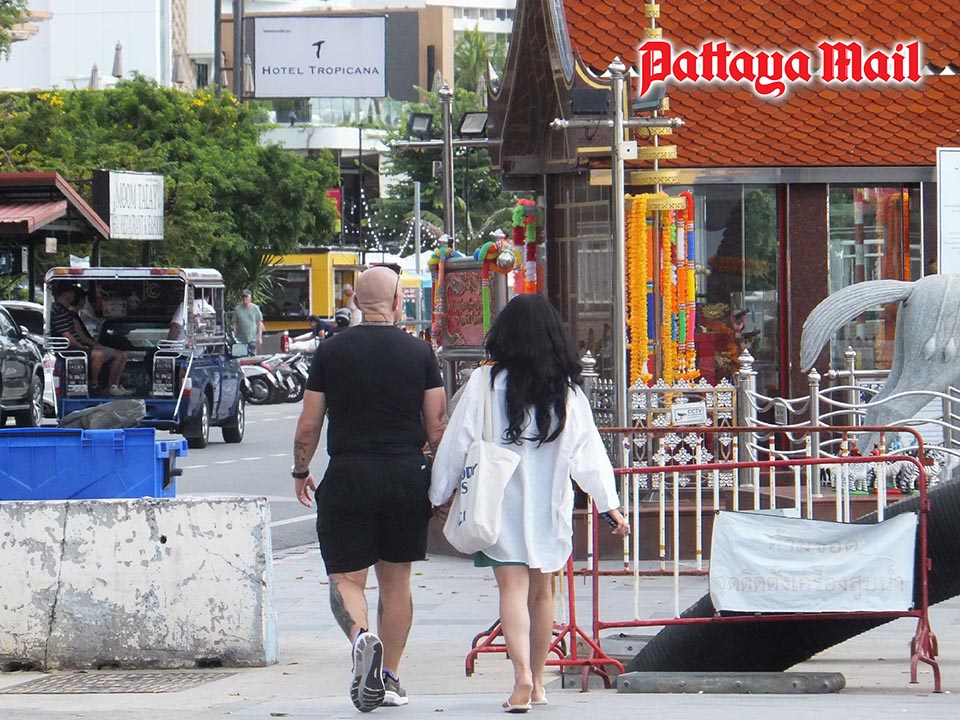
PATTAYA, Thailand – In Pattaya, a city renowned for its beaches, nightlife, and international crowds, a quieter ritual takes place alongside the city’s bustling streets. Thai women, young and old, are often seen at sacred shrines, folding their hands in prayer, lighting incense, and making offerings. Their hopes may include luck, health, prosperity—and, for some, the dream of attracting a foreign partner.
From the ornate shrines along Beach Road to smaller temples tucked away near shopping streets, the scene is familiar: women kneeling with focused devotion, whispering prayers in front of gilded Buddha statues or spirit houses. Some leave gold or flower offerings, while others bow repeatedly with practiced reverence. Yet the question lingers: can devotion truly secure a romantic connection with a foreigner?
The reality is more complex. While some women—particularly those working in Pattaya’s tourism zones—may hope to meet foreigners as a pathway to greater stability, security, or opportunity, research shows that shrine visits are rarely a central method for finding a partner. A 2025 ethnographic study found that connections with foreigners are often considered a practical step toward improving one’s life. Prayer, however, remains primarily about hope, reflection, and spiritual comfort.
“Praying at a shrine is about hope and reflection,” said a local resident. “Sometimes people include wishes for love, whether with Thai or foreign partners, but it is always personal.” Observers note that the perception of foreign partners being readily available is influenced by Pattaya’s thriving tourism and expatriate scene, creating the impression that spiritual intervention could increase one’s chances. In practice, encounters are as unpredictable as the city’s tides.
Critics caution that faith alone cannot guarantee romance. “Prayer is important for the soul,” said a local sociologist. “But expecting it to directly result in a foreign partner is wishful thinking. Relationships require compatibility, communication, and circumstances—not just sacred rituals.” Practical strategies—social media, messaging apps, workplace interactions, and advice from friends—play a larger role than incense and candles in meeting foreigners.
Some popular narratives about shrine visits are also exaggerated. Stories portraying Pattaya shrines as informal “meeting-point rituals” for attracting foreign lovers often stem from casual tourist tales or assumptions about nightlife rather than verified evidence. “People love to tell stories about the city’s nightlife and romance,” said a Pattaya bar operator. “But what actually happens is much more complicated and personal than the myths suggest.”
Still, the phenomenon reveals deeper social dynamics. For some women, prayer offers a sense of control in an environment where global attention, economic pressures, and cultural expectations collide. Visiting shrines becomes both a personal ritual and a symbolic assertion of hope, even if it does not guarantee the desired outcome. “People want what they want,” the same bar operator added. “Some come to the temples sincerely, some as part of the dating game. Either way, it doesn’t change the reality – a foreign relationship requires effort beyond incense and candles.”
In the end, Pattaya’s shrines remain spaces of devotion and reflection amid the city’s chaos. For Thai women hoping for love abroad, prayer may bring peace of mind and spiritual comfort – but it is not a shortcut to romance. Genuine hopes and real prayers exist, but the stories surrounding them often grow larger than the reality. True connections still demand patience, social skills, and shared values – not just faith alone.