PATTAYA, Thailand – Thailand remains a leading global destination, but trends among international travelers are shifting toward quality and personalized experiences rather than sheer volume. This evolution is reshaping the economic, cultural, and environmental landscape of Thai tourism.
Economic patterns are increasingly driven by travelers willing to spend on premium experiences. Niche tourism, particularly wellness and medical travel, is growing rapidly. Thailand continues to lead in traditional therapies, luxury spa services, and high-standard medical care. Many visitors now plan trips around concerts, festivals, and major sporting events, generating substantial off-season revenue. At the same time, demand for beachfront villas and high-end accommodations reflects a preference for comfort and climate-conscious escapes.
Culturally, tourists are seeking authentic immersion in local life rather than merely visiting iconic temples or landmarks. Communities and hidden gems in provinces like Chiang Rai, Nan, and Krabi are drawing attention as travelers pursue quieter, unique experiences. Culinary tourism remains a powerful magnet, with a focus on street food and Michelin-rated restaurants as a way to connect with local culture. The warmth and hospitality of Thailand’s “Land of Smiles” remain a decisive factor in repeat visits.
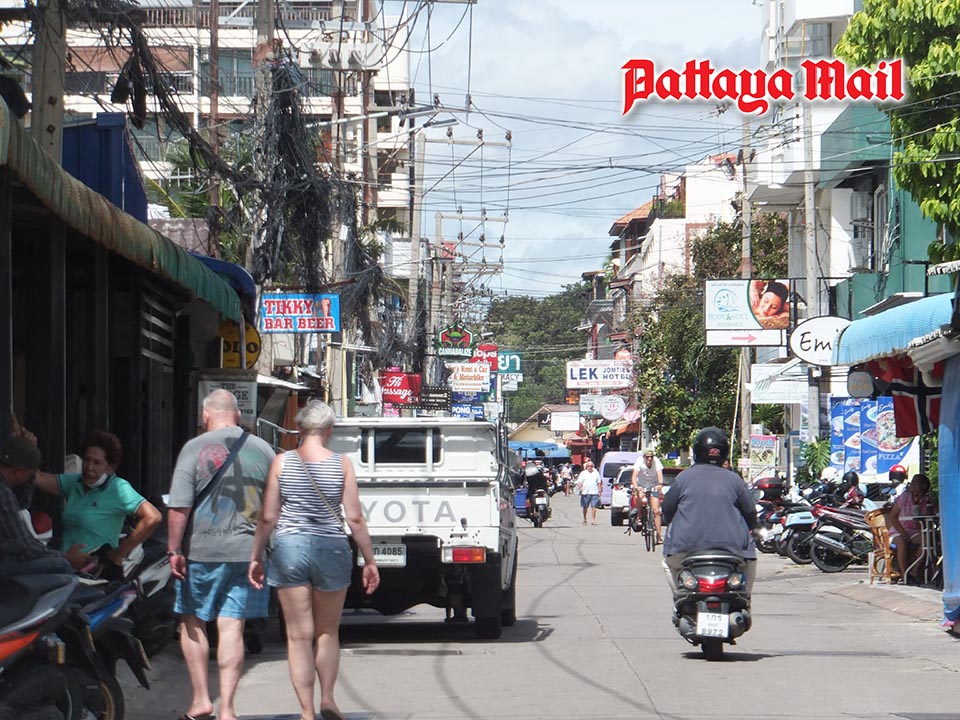
Environmental concerns are increasingly influencing travel decisions. Overcrowding at popular destinations, including Pattaya, is pushing tourists toward secondary cities and less-visited coastal towns, reducing pressure on main attractions. Visitors are becoming more conscious of their ecological impact, prompting local authorities and businesses—especially in Pattaya and other tourist hubs—to adopt sustainable practices, including measures to protect marine life, beaches, and surrounding forest ecosystems.
Thailand’s tourism sector faces the challenge of balancing growth with sustainability. To thrive in the long term, the industry must upgrade the quality of services, deliver authentic and meaningful experiences, and promote responsible travel that preserves the country’s cultural and natural heritage. The future of Thai tourism will rely not on quantity but on the ability to offer exceptional, sustainable experiences that resonate with the modern traveler.