PATTAYA, Thailand – In tourist hotspots like Pattaya and Phuket, the smell of cannabis is now as common as the scent of grilled seafood or motorbike exhaust. Since Thailand decriminalized cannabis in 2022, removing it from the Category 5 narcotics list, thousands of dispensaries have sprung up, particularly in areas with heavy foreign foot traffic. Yet with the boom has come rising concern — among locals, officials, health professionals, and increasingly, tourists themselves.
Phuket alone now counts more than 1,200 cannabis shops, many of which operate with little oversight. Pattaya’s own weed boom is especially visible along Soi Buakhao, Walking Street, Pratumnak and Beach Road, where neon signs and leaf logos dominate the nightscape. Some view the green rush as a draw for adventurous travelers, but others argue it’s sending the wrong message — that Thailand is prioritizing short-term business over long-term tourism quality.
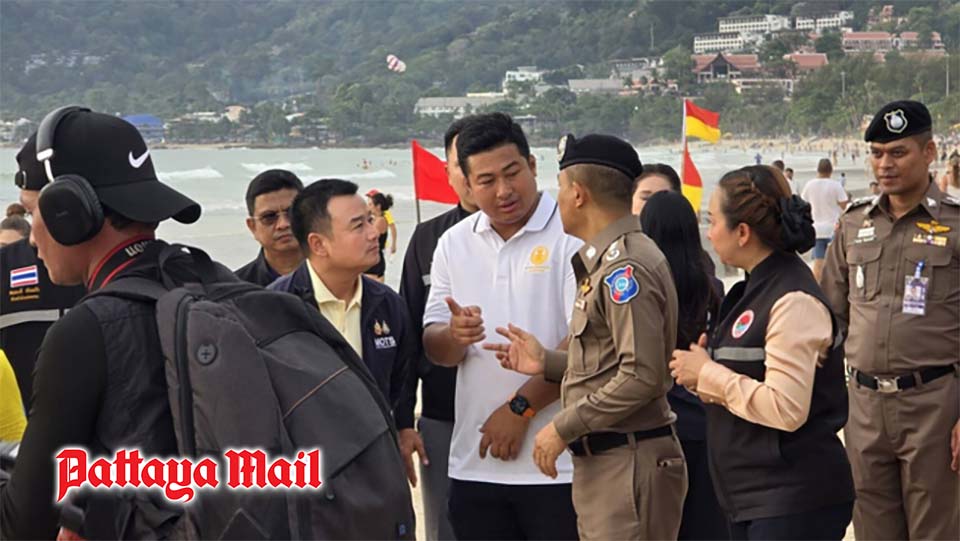
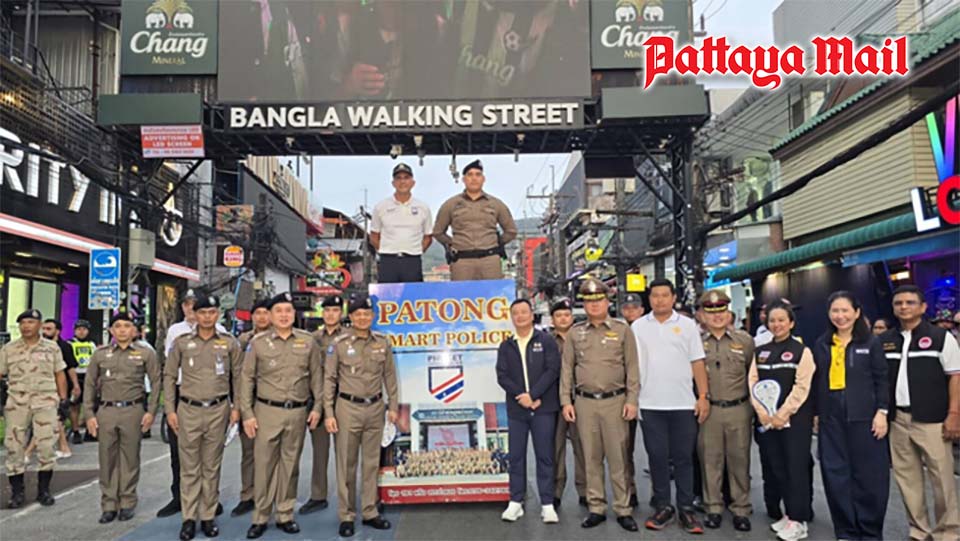
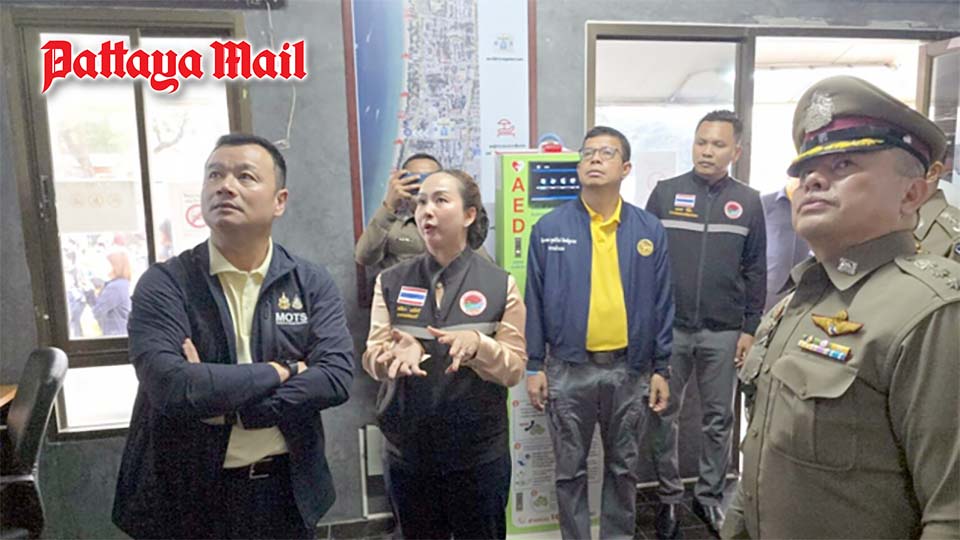
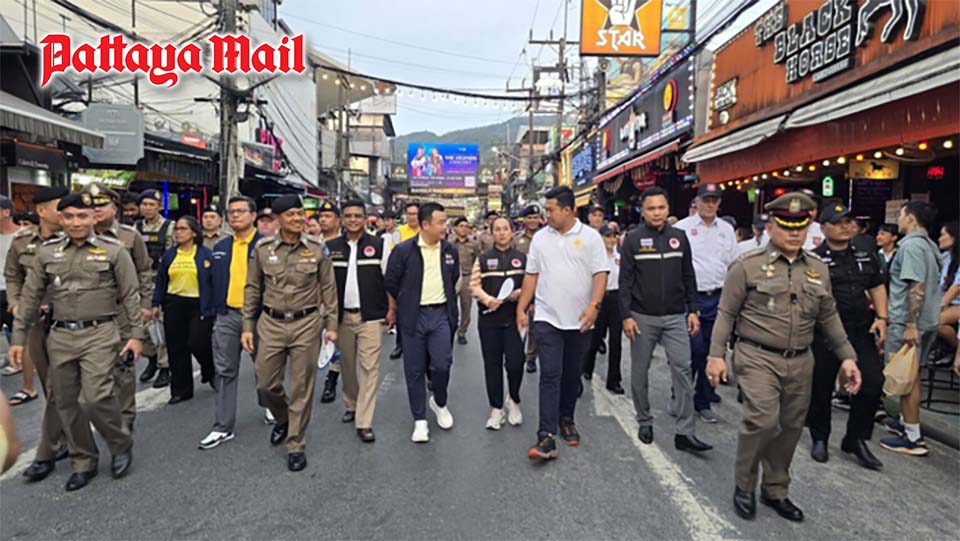
This week, People’s Party MP Chalermphong Saengdee of Phuket’s District 2 raised the alarm directly with Tourism and Sports Minister Sorawong Thienthong during his visit to Patong’s Bangla Road. Chalermphong said the freewheeling cannabis culture is making tourists from conservative countries feel unsafe. Visitors from places like China, Singapore, and Japan — where cannabis remains illegal — are reportedly disturbed to see people openly smoking on the street, near schools, or on beaches. Families, elderly travelers, and wellness tourists are increasingly voicing their discomfort.
Medical professionals have also warned of a spike in cannabis-related psychiatric cases, particularly among young people. Many dispensaries make no effort to check IDs, and with no nationwide law in place to control public consumption, advertising, or product quality, the risks are rising.
The absence of a clear Cannabis Control Act has left local authorities scrambling to manage the fallout. Shops advertise freely, sell to anyone, and operate without regard for zoning. What was originally pitched as a boost to medical cannabis and small farmers has quickly morphed into an unregulated retail boom that threatens to alienate more mainstream travelers.
MP Chalermphong called for urgent legislation to control the cannabis trade, including age verification, zoning restrictions, stricter licensing, and a ban on cannabis-themed advertising. While some argue there’s room for a niche cannabis market in Thailand, he insists it must not come at the cost of the country’s global tourism brand.
Until clear rules are established, the debate rages on — and the unmistakable scent of weed continues to linger over Thailand’s most visited streets.