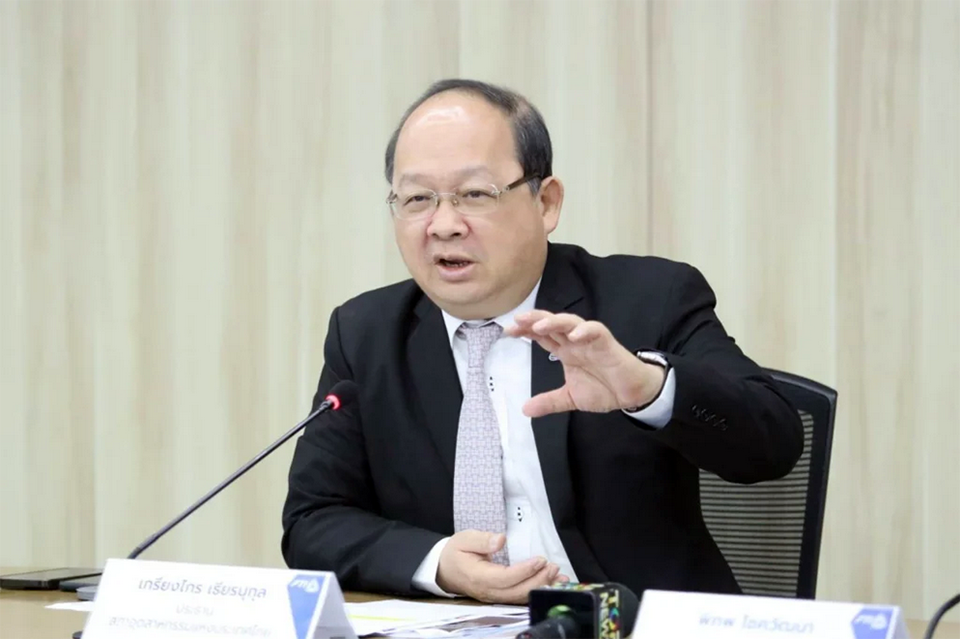
BANGKOK, Thailand – The Federation of Thai Industries (FTI) is urgently coordinating with 47 industrial groups and 11 industry clusters to assess the potential impact of the U.S.’s proposed 36% import tariffs. The FTI warns the tariffs, significantly higher than those faced by regional competitors, could severely hurt Thailand’s export competitiveness.
FTI Chairman Kriengkrai Thiennukul revealed that the U.S. has already reached tariff-reduction agreements with countries like Vietnam and the United Kingdom, while China and the European Union are still in negotiations. China, in particular, is currently under a “tariff truce” expected to end in mid-August. This, Kriengkrai stressed, marks a critical window in which Thailand must quickly present well-researched proposals to its trade negotiation team ahead of the U.S. deadline on August 1.
The FTI is compiling comparative tariff data from 22 countries subject to U.S. retaliatory measures. The analysis will help identify strengths and weaknesses by industry sector. Some data — such as India’s final tariff rates — is still pending. Once complete, the findings will be delivered to “Team Thailand,” the official delegation responsible for negotiating with the U.S. government.
Industries most vulnerable to the proposed tariff hike include machinery, electrical appliances, rubber, furniture, auto parts, toys, steel, leather, and ceramics — some of which depend on the U.S. for over 35% of their export volume. Without tariff relief, Thailand’s long-term market share and competitiveness could sharply decline.
In response, the FTI is preparing to propose four urgent measures to the government to protect exporters and maintain Thailand’s economic stability:
- Relief Measures for Exporters
Provide soft loans or allow debt moratoriums with reduced interest rates.
Offer corporate income tax reductions for affected exporters.
Subsidize logistics costs (port charges, customs clearance, utilities).
Allow triple tax deductions for expenses related to hiring U.S.-based legal counsel for tariff negotiations.
- Promote Market Diversification
Accelerate new Free Trade Agreement (FTA) negotiations.
Expand the SME Pro-active program and overseas marketing campaigns.
Promote the “Made in Thailand” (MiT) scheme for government procurement, with tax incentives and year-end cash-back eligibility.
- Support Domestic Raw Material Usage
Reduce corporate tax for manufacturers using over 90% local content.
Promote productivity improvements via Board of Investment (BOI) incentives.
- Manage Baht Volatility
Propose government intervention to prevent the Thai baht from appreciating or fluctuating beyond regional competitors’ currencies — protecting export cost advantages.
Exports currently account for more than 58% of Thailand’s GDP, with industrial goods comprising 47%. Without intervention, the FTI estimates potential export losses of 800–900 billion baht and predicts annual export growth could fall close to zero — despite a strong 18.35% year-on-year increase in May 2025.
“This is a national-level trade crisis unlike anything we’ve faced before,” said Kriengkrai. “The FTI urges all sectors — public, private, and civil — to come together to turn this challenge into an opportunity for sustainable industrial and export reform.” (TNA)