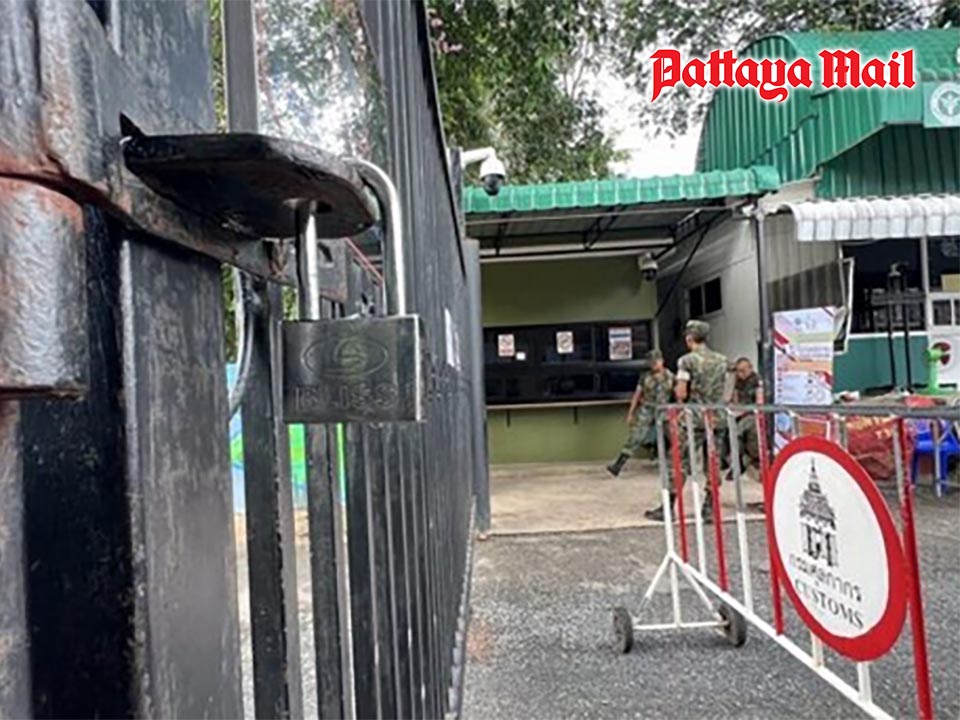
TRAT, Thailand – Silence and frustration blanketed the Haad Lek permanent border crossing in Khlong Yai district on June 24, as the first day of a sweeping border closure order took effect. The scene, once bustling with trucks, traders, and tourists, was eerily still. Not a single delivery vehicle crossed. No tourists. No informal trade. Just rows of shuttered stalls and worried eyes peering across an unmoving frontier.
The border lockdown—ordered under Command No. 1092/2568 by the Chanthaburi-Trat Border Protection Command—was enforced following a National Security Council directive to tighten control along the Thai-Cambodian border. Effective from 8 a.m. that morning, the order closed both the Haad Lek permanent checkpoint and the Ban Mamuang temporary trade route, halting the cross-border movement of goods, tourists, and even local residents. Only humanitarian exceptions—urgent medical cases and students—were permitted to pass.
The military-led action aims to safeguard national sovereignty, combat transnational crime, and prevent scams such as call center fraud and human trafficking. But for small business owners, drivers, and tourism operators along the border, the economic impact was swift and severe.
“Today the border is 100% closed—and our income is 100% gone,” said Thanyachart Burapasuk, a passenger van driver. “During COVID, at least people could still cross with masks. Now, nothing. This is worse than the pandemic.”
Wiyada Suang, a longtime border tour operator and vendor in Haad Lek, expressed disbelief: “No matter what tensions have happened between the two countries before, we’ve never seen both sides shut the door on each other like this. It’s a heavy blow—not just now but maybe for years to come. Trust has been shattered.”
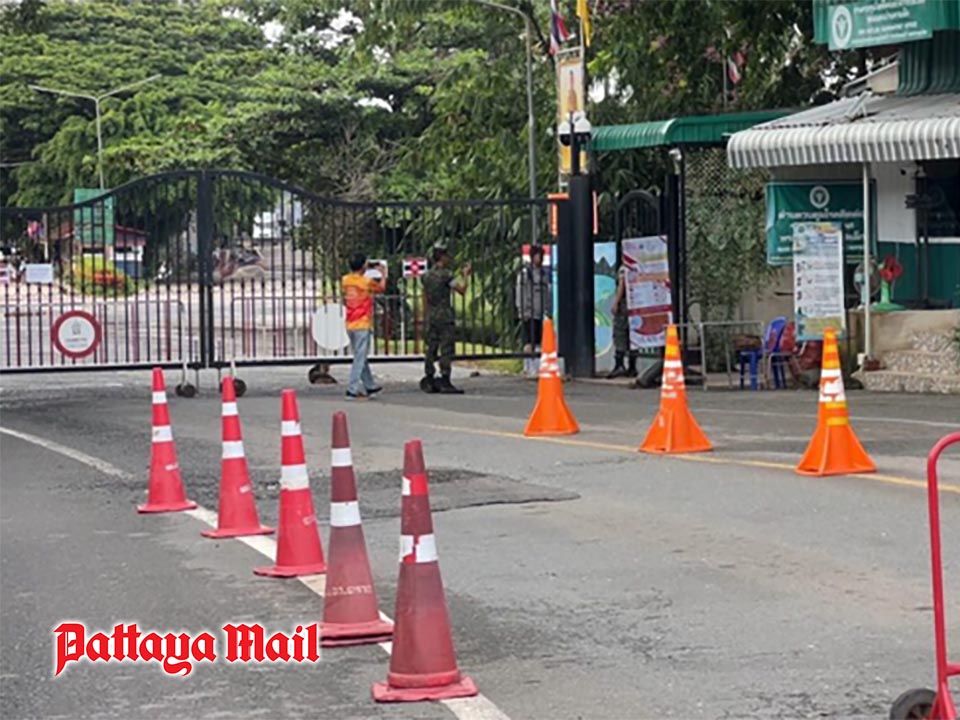
The closure has stranded over 80 vehicles on the Cambodian side, disrupted daily trade worth an estimated 120 million baht per day, and hit both export and import routes—by land and sea. The ripple effect is already being felt on both sides of the border.
Ladda Suksa-at, a Thai business owner from Cham Yeam, Koh Kong, who commutes daily to manage her small grocery store, said her shop is now shuttered indefinitely. “I’ve invested millions, paid taxes properly. And now, I can’t even cross to open my store. Some goods will expire. This isn’t just income lost—it’s capital destroyed.”
She added that if at least the crossing operated on limited hours—say, 8 a.m. to 4 p.m.—locals could still survive. “But if they keep it sealed shut with no reopening date? We’re doomed.”
Meanwhile, schoolchildren from Koh Kong were still allowed to cross into Thailand for their studies, under strict military oversight. Parents were required to stop at the border gate and turn their children over to soldiers, who escorted them to school.
Amid the turmoil, officials maintain that the closure is temporary but necessary, tied to national security and operational priorities. Still, border residents are calling for swift diplomacy and coordinated reopening plans.
“Cambodians still want Thai goods. They trust Thai quality,” said Ladda, pushing back on rumors of a boycott. “This is not about the people on either side. This is about policy. But we’re the ones suffering.”
As the days drag on, patience wears thin. For now, businesses along the Thai-Cambodian border in Trat are left watching the empty road—hoping for negotiations, and praying for the gate to open again.