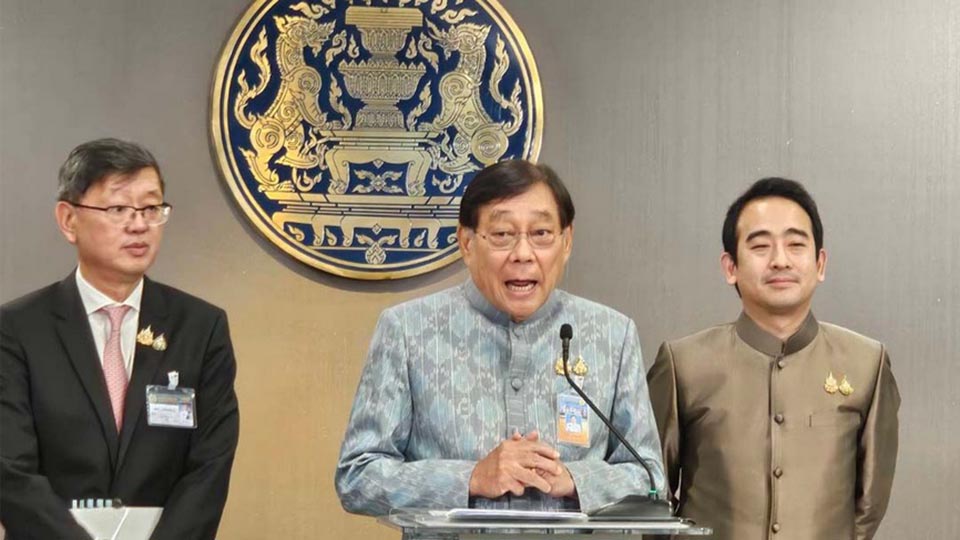
BANGKOK, Thailand – Deputy Prime Minister and Finance Minister Pichai Chunhavajira clarified the government’s plan to launch the G-token, a state-issued digital investment token, as approved by the Cabinet under Section 10, Paragraph 1 of the Public Debt Management Act. The initiative aims to diversify investment tools for the public and raise funds to address the budget deficit through a digital, low-barrier investment option.
Pichai emphasized that this token is not a form of cryptocurrency nor does it involve printing new money. Instead, it is a fractional investment vehicle backed by the government, designed to offer higher returns than traditional savings, while remaining part of the country’s public debt framework. The G-token will allow individuals to invest small amounts—even as low as 100 baht—making it accessible to low-income earners and widening the national investment base.
In response to suggestions from the Bank of Thailand, the Ministry of Finance agreed that the G-token will not be used as a means of payment and will be issued in a limited amount to ensure system stability. For this trial phase, only 5 billion baht worth of G-tokens will be issued—significantly less than traditional government bonds, which typically amount to 30–40 billion baht. The launch is expected within the next two months.
Patchara Anantasilp, Director-General of the Public Debt Management Office, added that the issuance will comply with the current Digital Asset Royal Decree. The public will be able to purchase the tokens through banks and securities firms authorized under the law, similar to how savings bonds are currently sold. Currently, Thailand has 7–8 licensed digital asset service providers ready to support this initiative.