

BANGKOK, Thailand – Thailand has introduced a new package of financial and commercial measures aimed at restricting the movement of illicit funds, preventing the use of corporate accounts as money-mule channels and improving payment conditions for small and medium-sized enterprises (SMEs).
The measures, involving the Bank of Thailand (BOT), government agencies and financial institutions, include enhanced checks on large cash transactions, tighter scrutiny of suspicious corporate accounts and new limits on payment periods between large businesses and smaller suppliers.
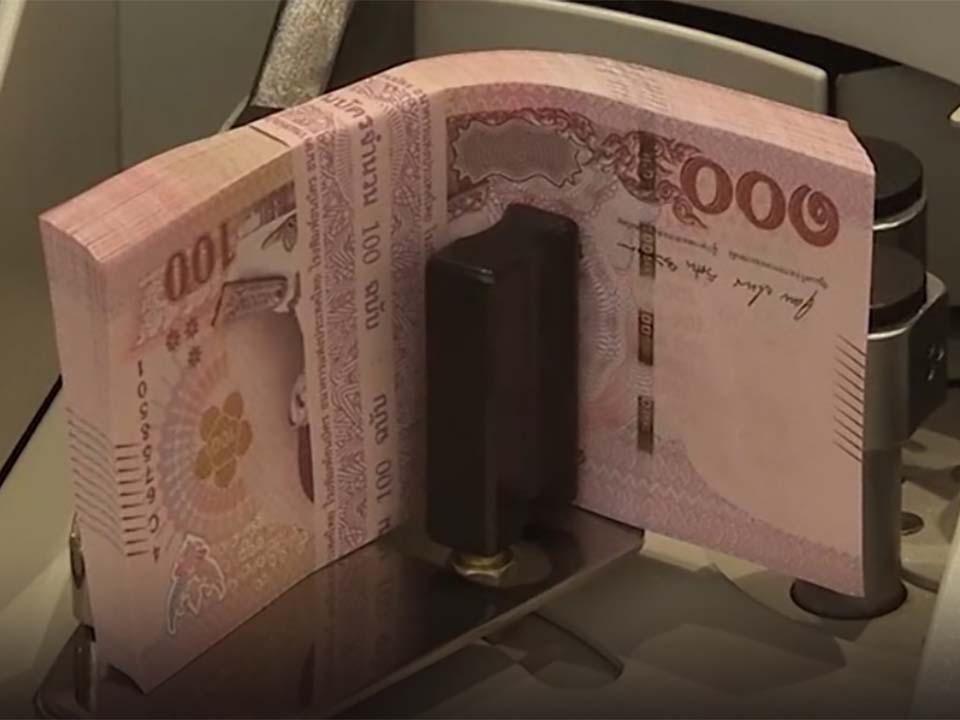
One major change took effect on November 1, when the BOT expanded its cash-transaction monitoring requirements. Financial institutions must conduct enhanced due diligence on qualifying transactions of 5 million baht or more carried out at bank branches, including checking the source of funds, transaction purposes and supporting documents according to the customer’s risk profile.
The rules cover more than cash withdrawals. They also extend to cash deposits, certain cashier’s cheques and drafts, foreign currency exchanges, Thai banknote exchanges and cash payments for financial products and services. The requirements apply to transactions conducted through branches and do not affect customers using electronic banking channels.
Importantly, the 5-million-baht threshold does not mean that ordinary transfers or deposits of all cheques above that amount are automatically restricted. The BOT says regular personal or company cheques can still be deposited normally, while electronic transfers and crossed cheques remain available through the usual channels.
Corporate accounts and nominee structures under scrutiny
Authorities are also targeting the misuse of companies as channels for illicit money. Under existing measures coordinated by the BOT, the Anti-Money Laundering Office (AMLO), the Department of Business Development (DBD) and law-enforcement agencies, banks must restrict transactions involving corporate entities officially designated as high-risk mule accounts. They may also investigate companies linked to individuals identified as high-risk account holders, cross-checking banking information against DBD records. Where banks establish a strong likelihood of account misuse, they can suspend electronic banking services, refuse new accounts and notify the authorities.
The DBD has separately tightened checks on suspected nominee arrangements, in which Thai nationals are used to conceal foreign ownership or control. Since August 1, 2026, its requirements have covered both company registrations and subsequent changes to shareholders or authorized directors. Where foreign nationals are involved, Thai investors may be required to provide a statement of their bank accounts for the preceding three months, together with investment explanations, to demonstrate that the capital contribution is genuine.
The authorities have stressed that foreign participation in a Thai company does not, by itself, indicate illegal nominee activity. Companies are assessed according to their ownership structures, financial records and supporting evidence.
New payment deadlines aim to improve SME cash flow
Another major measure took effect on November 2, when new Trade Competition Commission rules introduced maximum payment periods for covered transactions between large businesses and SMEs.
The rules set payment deadlines of:
- 30 days for agricultural goods and certain primary processed agricultural products involving simple production processes.
- 45 days for general trade, manufacturing and services covered by the notification.
The payment period generally begins once the goods or services have been delivered in accordance with the agreement and the required documents have been correctly submitted. The rules also address unreasonable payment delays and changes to credit terms without adequate justification or at least 60 days’ advance notice, where required.
The government says the changes are intended to address the financial pressure on smaller suppliers that must pay for materials, wages and operating costs while waiting for large customers to settle invoices. Estimates suggest that reducing payment periods from 60 to 45 days could release around 250 billion baht in working capital for SMEs, while reducing 90-day terms to 45 days could release as much as 750 billion baht. These are projected liquidity gains, not direct government payments.
Together, the measures represent a broader effort to improve financial transparency, restrict the use of corporate structures and banking services for illicit activity, and create fairer commercial conditions for smaller Thai businesses. Their effectiveness will depend on consistent enforcement, cooperation among agencies and clear guidance for legitimate businesses and customers.