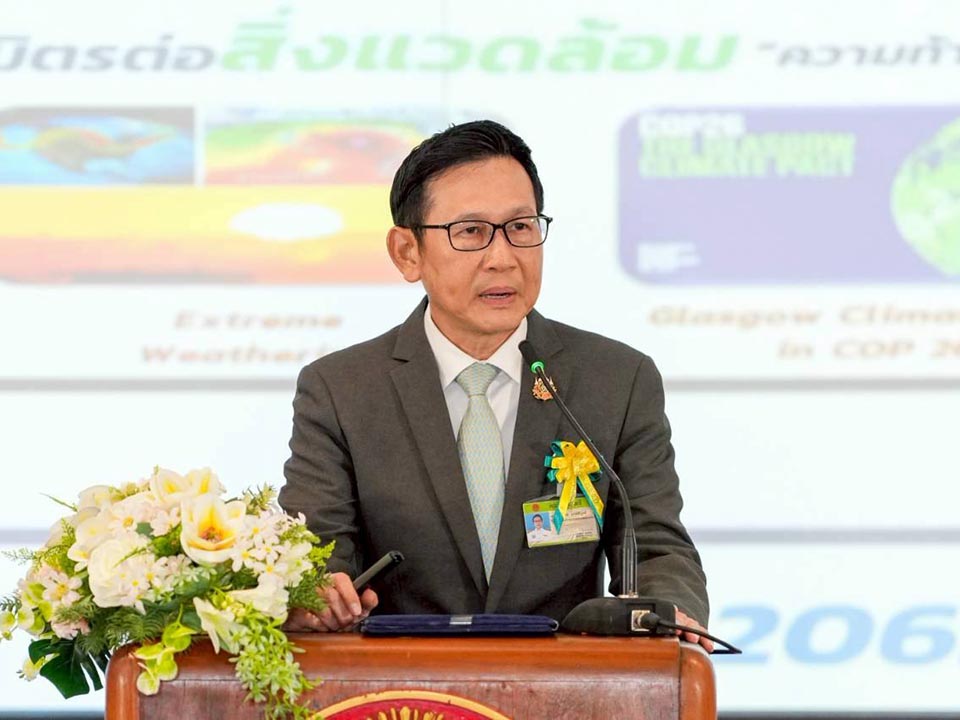
BANGKOK, Thailand – Energy Minister Atthapol Rerkpiboon emphasized that hydrogen presents a major opportunity for Thailand to achieve its Net Zero 2050 target. Speaking at a special seminar organized by the Senate Energy Commission, he outlined plans to include hydrogen in the country’s Power Development Plan (PDP) and officially recognize hydrogen and ammonia as fuels under the Fuel Control Act of 1999.
In his keynote speech, titled “Hydrogen: Economic Opportunity and Thailand’s Survival,” Minister Atthapol described hydrogen as a key driver for economic growth and a vital alternative fuel amid global energy uncertainties, volatile markets, and the worldwide push toward net-zero greenhouse gas emissions. He noted that Thailand has accelerated its Net Zero target from 2065 to 2050, aligning with international trends.
The Ministry of Energy has developed a three-pronged strategy focusing on energy security, economic growth through competitive pricing, and sustainability via low-carbon energy solutions. Central to this approach is promoting clean energy adoption, including hydrogen, ammonia, and small modular reactors (SMRs), alongside improving energy efficiency.
Thailand has high potential for hydrogen development in Southeast Asia, particularly for energy-intensive industrial sectors. According to draft national energy plans, hydrogen is slated to account for 5% of natural gas blends in electricity generation by 2030 under the PDP. The Alternative Energy Development Plan (AEDP) aims to utilize 10 KTOE of hydrogen for industrial heat and 4 KTOE for the transport sector by 2037.
To achieve these goals, the Ministry plans to declare hydrogen and ammonia as official fuels under the Fuel Control Act, while implementing clear support mechanisms, including infrastructure investment for hydrogen production and transport, as well as financial incentives and tax benefits for the private sector.
Minister Atthapol stressed that hydrogen represents both a clean energy solution and an economic opportunity, capable of creating new business value and supporting sustainable growth. He added that systematic implementation and strategic international cooperation could establish Thailand as a green hydrogen hub in ASEAN, enabling a fair and stable transition to a low-carbon society.
“Hydrogen is not just an alternative energy source; it is a chance to generate new industries, enhance economic value, and drive sustainable growth. With a strategic roadmap and international collaboration, Thailand can confidently and fairly transition to a low-carbon society,” Minister Atthapol concluded. (TNA)