
PHUKET, Thailand – A heartfelt open letter from a Phuket native has raised questions about whether the island’s infrastructure can keep pace with the rapid growth of luxury developments, hotels, condominiums and major investment projects. Addressed to investors, developers and those behind large-scale projects, the letter asks a fundamental question: can Phuket cope with the scale of development now being planned, and what will happen to the people who have called the island home for generations?
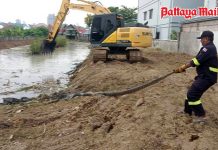
The writer stresses that he is not against investment or progress. He wants Phuket to prosper, create jobs and provide better opportunities for its people. However, he argues that genuine development must improve the lives of local residents rather than enrich investors while making everyday life increasingly difficult for the wider community. He describes Phuket as being in a critical condition, comparing the island to a patient in intensive care. Roads are increasingly congested, waste volumes are growing, flooding affects several areas during heavy rain, and environmental and social pressures continue to mount.
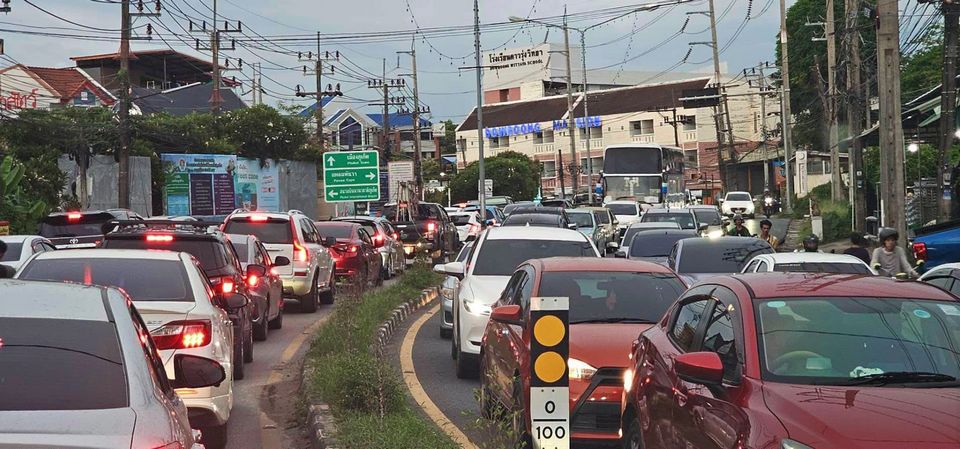
For ordinary residents, traffic congestion has become part of daily life, affecting journeys to work, school and hospitals. The writer questions how much longer people should be expected to accept these conditions as an inevitable consequence of tourism growth. He also questions whether sufficient attention is being given to the infrastructure needed to support new developments, including roads, public transport, waste management, water supplies, drainage systems and the protection of remaining green spaces.
Rather than having developers pursue projects independently, the letter calls for investors to work together with government agencies, local authorities and communities to establish a clear direction for Phuket’s future. Large projects, it argues, should share responsibility for their wider impact on the island. The writer also makes clear that responsibility does not rest with investors alone. Government officials, planning authorities and agencies approving construction must also be accountable for allowing development to proceed without adequate supporting infrastructure.
Among the proposals are a serious long-term master plan, an assessment of the island’s carrying capacity, greater transparency in planning information and concrete measures requiring major developments to address their impact on public services and the environment. The letter warns that Phuket risks becoming an island filled with luxury hotels, expensive villas and modern buildings while its original residents struggle with congestion, rising living costs and declining quality of life.
Its central message is that Phuket does not lack investment capital; it lacks the planning needed to ensure infrastructure and development grow together. The writer believes the island can still recover if all parties acknowledge the problems and take meaningful action now, rather than waiting until the damage becomes irreversible. He concludes with a plea to investors and decision-makers: before building more, consider whether enough is being done to protect what already makes Phuket worth living in.
Editorial note: The concerns and descriptions in the letter represent the writer’s personal views and have not been independently verified as a comprehensive assessment of Phuket’s infrastructure.