BANGKOK, Thailand – While the Thai government scrambles to revive tourism with mid-year stimulus efforts, many local tourism operators say the assistance has come too late — and may not be enough to prevent long-term damage.
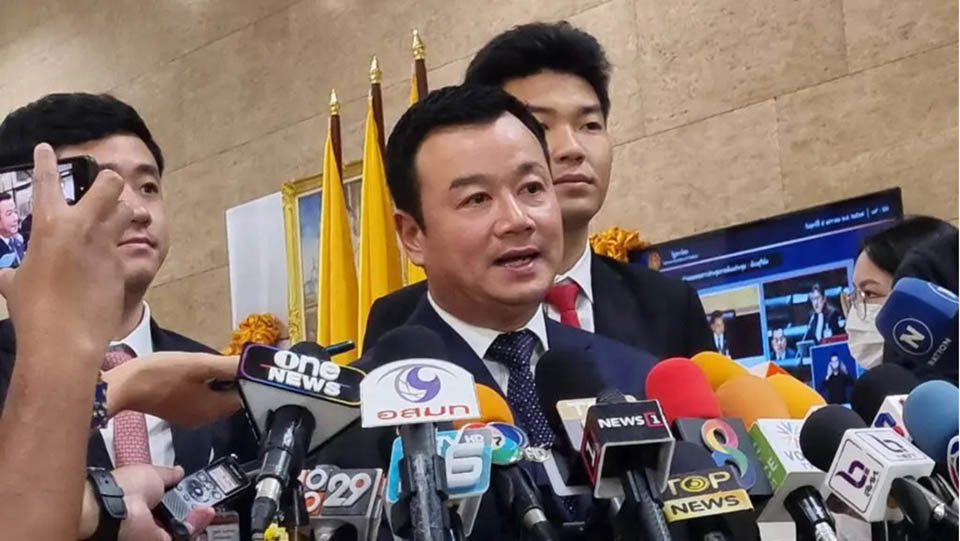
On May 30, Tourism and Sports Minister Sorawong Thienthong announced plans to propose the long-awaited ‘Thai Travel Co-Pay’ scheme to the Cabinet in June. If approved, it’s expected to launch on July 1, offering subsidies to encourage more domestic travel in the second half of the year. The program is part of the 157-billion-baht national tourism stimulus package aimed at boosting confidence and spending.
The proposal came after a high-level meeting led by Prime Minister Paetongtarn Shinawatra and senior ministries overseeing transport, health, and public safety. The Prime Minister outlined a broad tourism recovery strategy focused on safety, cleanliness, service standards, and improved infrastructure.
But for many Pattaya and provincial tourism operators — especially small hotel owners, restaurant managers, and tour guides — the aid may be too late to reverse months of declining income and tourist footfall.
“We’ve been calling for targeted support since January,” said one hotelier in Pattaya. “Delays in government stimulus mean many of us have already downsized, taken on debt, or closed.”
Although foreign tourist revenue has increased slightly, thanks to high-spending visitors from Europe and North America, the number of actual arrivals has decreased. Businesses say this makes broad-based financial assistance and fast deployment all the more critical.
Critics also point out that if the co-pay program is not well-publicized or simple to access, it may fail to reach those who need it most — especially outside Bangkok.
For now, industry players are waiting to see whether the July rollout will deliver immediate relief — or prove to be another policy that comes long after the storm has passed.