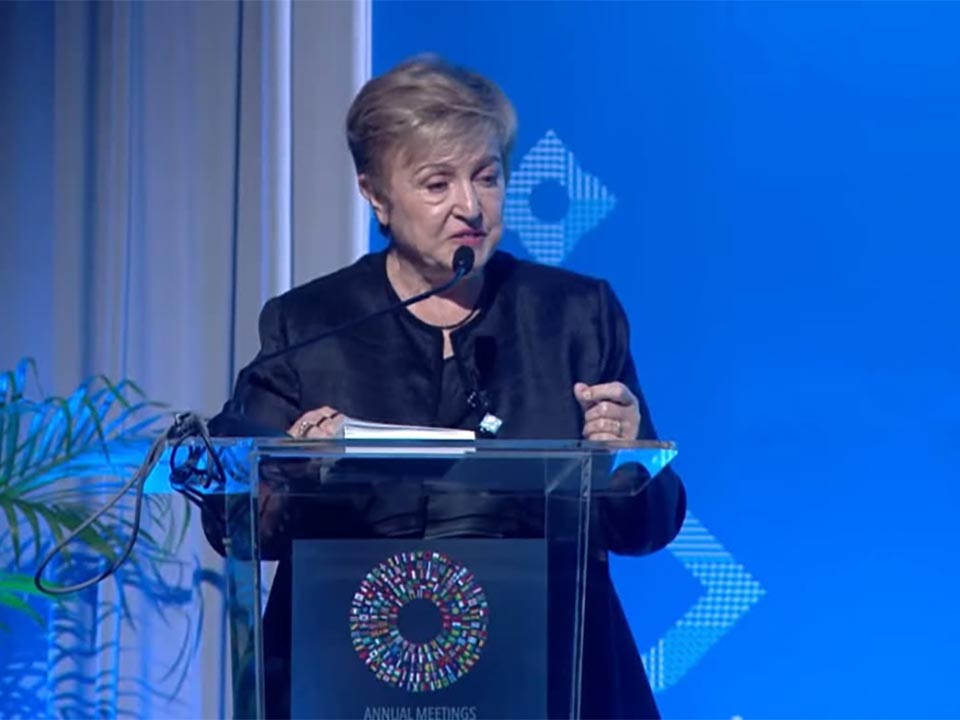
BANGKOK, Thailand – The International Monetary Fund (IMF) has launched its new book, “Shaping the Future of Asia,” identifying demographic change, artificial intelligence, and regional economic integration as three major forces shaping the region’s economic outlook. IMF Managing Director Kristalina Georgieva delivered opening remarks at the launch in Bangkok on October 12, addressing the opportunities and challenges facing Asian economies amid global uncertainty.
The IMF identified aging populations as a growing challenge for the region, calling for greater workforce participation among women and older people, along with continued investment in skills development. These measures could help address labor shortages, maintain productivity, and support long-term economic growth as demographic pressures increase.
Artificial intelligence was also identified as a key driver of productivity and job creation, with the IMF encouraging wider adoption across agriculture, education, public services, and small and medium-sized enterprises. The Fund also called for deeper regional economic integration through fewer trade barriers, expanded regional markets, and stable economic policies to help countries navigate geopolitical tensions and global trade uncertainty.
The IMF estimates that Asia will contribute 68% of global economic growth in 2026, underscoring its importance to the world economy. The Fund stressed that adapting to demographic changes, ensuring broader access to technology, and expanding regional cooperation will be essential to improving employment opportunities, maintaining economic stability, and supporting sustainable growth. (NNT)