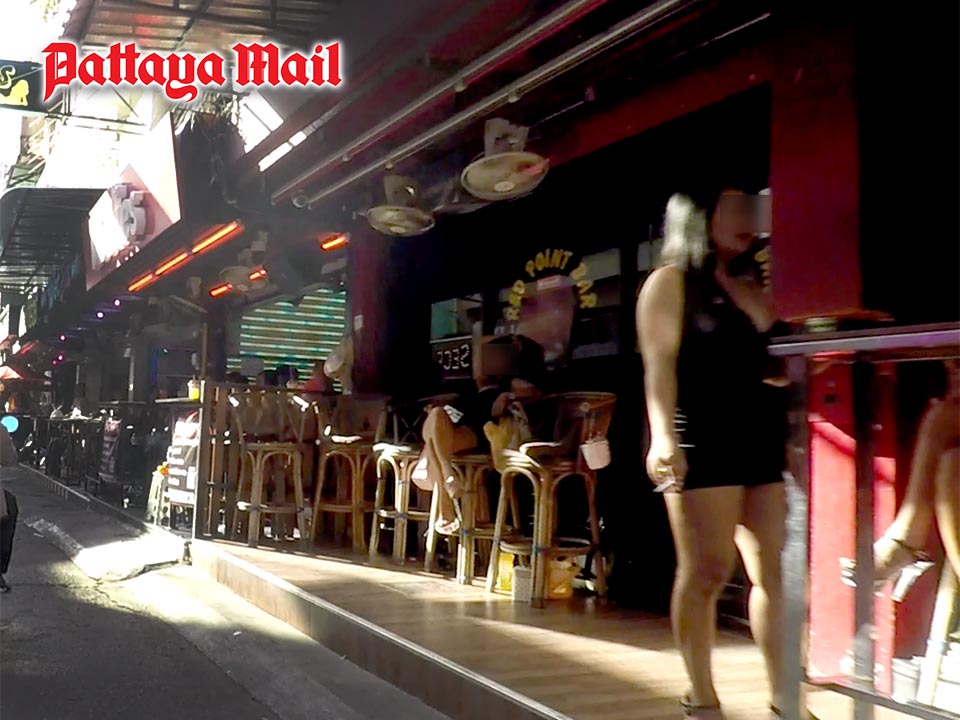
PATTAYA, Thailand – As the Thai baht edges toward the psychological level of 30 to the US dollar, the impact is being felt far beyond exchange counters and balance sheets. In Pattaya, one of the clearest — yet least discussed — effects is unfolding inside the city’s nightlife economy, where bar workers are seeing fewer customers, shorter visits, and lower spending.
For years, Pattaya’s bar scene relied heavily on foreign tourists and long-term visitors whose currencies stretched far enough to support nightly social spending. A stronger baht has quietly reversed that equation. What once felt affordable now requires calculation, restraint, and, increasingly, hesitation.
Bar girls are often the first to feel the shift. Fewer customers are walking in unplanned. Lady drinks are ordered more cautiously. Familiar faces who once stayed for months now limit their visits or shorten their stays. Some longtime patrons still come, but spend less, linger less, and leave earlier.
The exchange rate matters because Pattaya’s nightlife operates on discretionary spending. A few baht more per drink may seem insignificant, but when converted from euros, pounds, or dollars weakened against the baht, the difference adds up quickly over weeks or months. For many visitors, the question is no longer whether Pattaya is fun, but whether it is still good value.
For bar workers, this translates into fewer commissions, reduced take-home income, and increased competition for attention. Many depend on daily earnings rather than fixed salaries, making them especially vulnerable to shifts in tourist sentiment. When visitors tighten their budgets, the impact is immediate and personal.
The stronger baht also changes behavior. Long-term visitors who once treated Pattaya as a winter base now compare Thailand more closely with neighboring countries where their money goes further. Short-term tourists may still arrive, but they spend cautiously, avoiding extended nights out or repeated bar visits.
What makes the situation more complex is that nightlife workers have little protection from macroeconomic forces. There is no buffer against currency appreciation, no adjustment mechanism, and no safety net when demand softens. The result is a quiet squeeze — not dramatic enough to make headlines, but persistent enough to reshape livelihoods.
While officials focus on headline tourist arrival numbers, Pattaya’s street-level economy tells a more nuanced story. A strong baht may signal financial stability, but on Soi 6 and similar streets, it often signals uncertainty, longer waits, and fewer opportunities.
Until exchange rates stabilize or spending power returns, Pattaya’s bar girls will continue to bear the hidden cost of currency strength — one quiet evening at a time.