PATTAYA, Thailand – Every year, as Songkran approaches, Pattaya transforms into something almost unrecognizable. What is marketed as a joyful water festival quickly becomes, depending on who you ask, either the highlight of the year—or a ten-day ordeal to be endured or avoided entirely.
For many foreign retirees living in Pattaya, the reality sits somewhere in between.
Online discussions paint a stark contrast. Some describe the experience as exhilarating, a rare moment when the city comes alive with energy and spontaneity. Others are far less charitable, calling it chaotic, excessive, even something they deliberately plan their lives around avoiding.

And that’s where the real story begins.
Pattaya is not just a holiday destination—it’s home to thousands of long-term foreign residents, many of them retirees who chose the city for its affordability, convenience, and relatively relaxed pace of life. Songkran disrupts that rhythm in a way few other events can.
For nearly ten days, normal routines are put on hold. Roads become slow-moving battlegrounds of water fights. Side streets turn unpredictable. Even a simple walk to the shop can mean getting soaked within seconds, whether you want to participate or not.
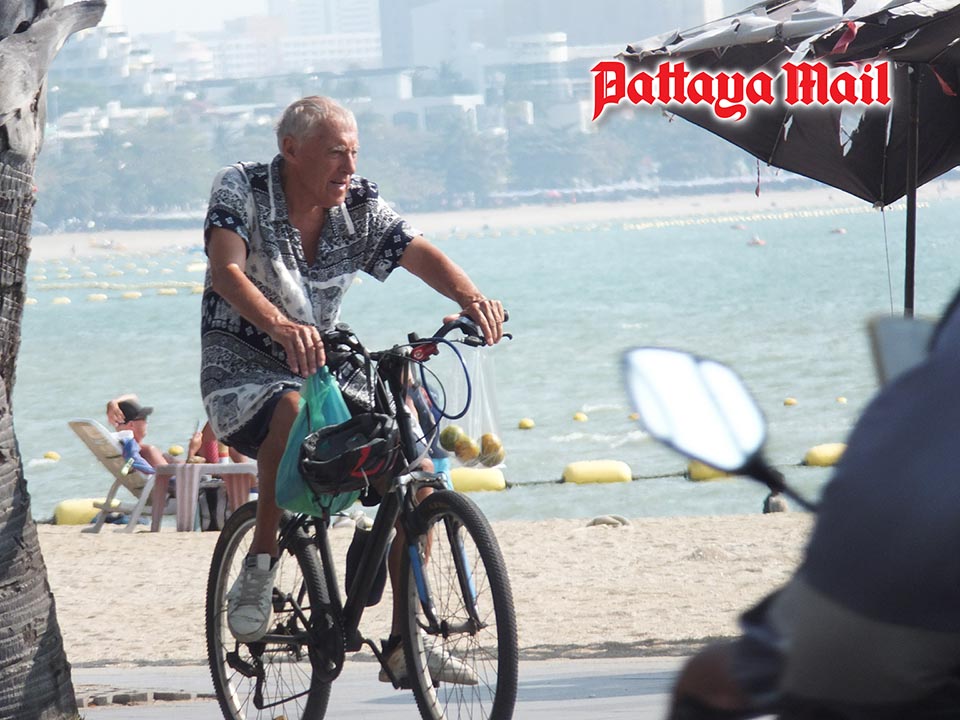
For retirees, the challenge is not just the water—it’s the pace. Many move more slowly, whether on foot or by bicycle, and rely on short, manageable trips to get through the day. That slower rhythm, which usually defines their lifestyle, suddenly clashes with a fast-moving, high-energy environment where everything feels louder, busier, and less predictable.
The April heat only adds to the intensity. Temperatures climb, humidity rises, and the constant activity outdoors makes even short trips exhausting. For retirees used to planning their days carefully—morning errands, quiet afternoons, predictable evenings—Songkran forces a different kind of calculation: when to go out, what to wear, and whether it’s worth it at all.
Some adapt. They stock up on groceries, stay indoors during peak days, and treat the festival as a temporary storm to ride out. Others leave town entirely, heading to quieter provinces or even overseas until things settle down.
Then there are those who embrace it, cautiously. They pick their moments, avoid the most intense zones, and engage on their own terms. But even among this group, there’s often an understanding that the festival is no longer just a cultural celebration—it’s something much bigger, louder, and harder to control.
The divide isn’t just about tolerance for water fights. It reflects a broader tension in Pattaya itself.
A city built on tourism must constantly balance the expectations of short-term visitors seeking excitement with those of long-term residents seeking stability. Songkran, in its modern form, pushes that balance to its limits.
For some retirees, the question isn’t whether the festival is good or bad. It’s whether the city they chose to live in still fits their lifestyle during moments like this.
Because while tourists can leave after a few days, retirees stay. They experience not just the celebration, but the disruption that comes with it.
And that raises a quiet but important question for Pattaya’s future:
Can a city designed for non-stop celebration also remain livable for those who call it home year-round?
During Songkran, that question becomes impossible to ignore.