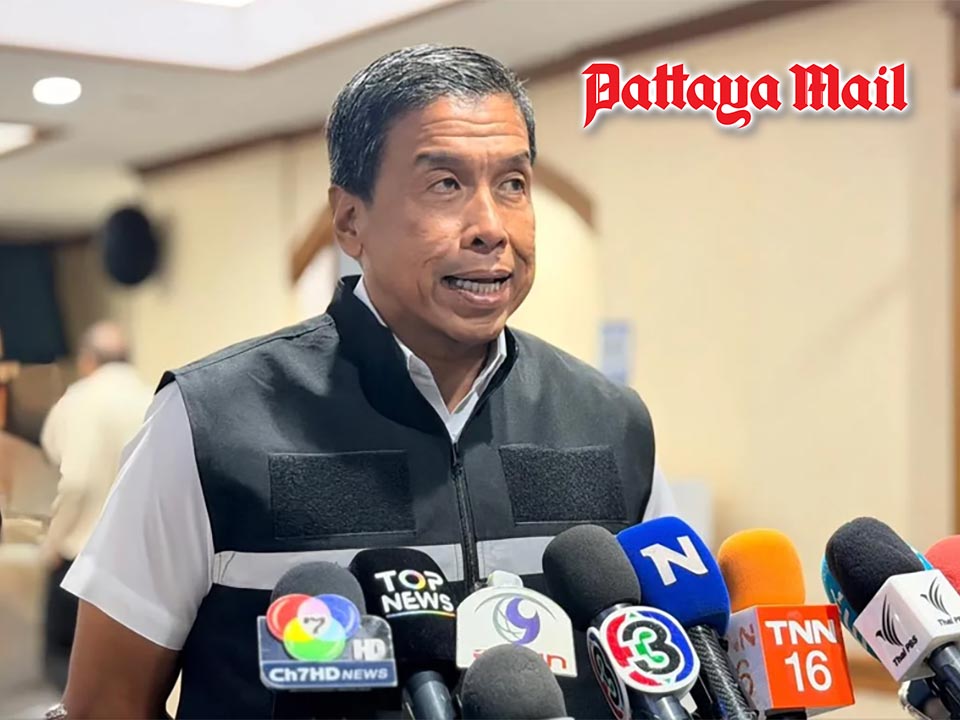
BANGKOK, Thailand – More than 10 days of flooding in parts of eastern Bangkok, particularly Lat Krabang, have intensified scrutiny of the capital’s flood-management system and the administration of Bangkok Governor Chadchart Sittipunt.
According to Bangkok Metropolitan Administration information issued on October 5, several roads in Lat Krabang remained under 5–20 centimetres of water, while some sections of Chalong Krung Road near King Mongkut’s Institute of Technology Ladkrabang had around 15–25 centimetres. Authorities advised motorists, particularly those using motorcycles and small cars, to avoid the worst-affected sections.
The prolonged flooding has added to public frustration in communities where stagnant water has remained for many days, creating problems for residents, businesses and daily travel.
Attention has also turned to Bangkok’s earlier plans for large water-retention areas, known as “monkey cheeks”, in the eastern part of the capital.
Chadchart has said Bangkok did not abandon the principle of water-retention areas, but reconsidered two proposed projects at Khu Bon and Bang Chan because of their cost, land ownership and technical requirements. He said the projects would have required about 11 billion baht, including more than 5 billion baht for land acquisition, because the sites were privately owned.
Bangkok officials have defended the decision, saying alternative measures such as improving canals and expanding major drainage infrastructure could provide better value and suit the area’s water-management system more effectively. The decision has nevertheless become a political issue during the current flooding, with critics questioning whether the eastern Bangkok area should have had greater water-retention capacity before the latest crisis.
Separate allegations have also circulated over possible links between land affected by earlier flood-retention plans and the property sector, including references to Chadchart’s previous role as a corporate executive. These claims remain matters of political and public debate and have not been established as evidence of wrongdoing. Bangkok officials have denied that the change in flood-management plans was intended to benefit private developers.
With floodwaters remaining in some eastern districts, the controversy is now focused not only on how Bangkok responds to the current emergency, but also on whether its long-term flood-prevention strategy is sufficient for increasingly severe urban flooding.