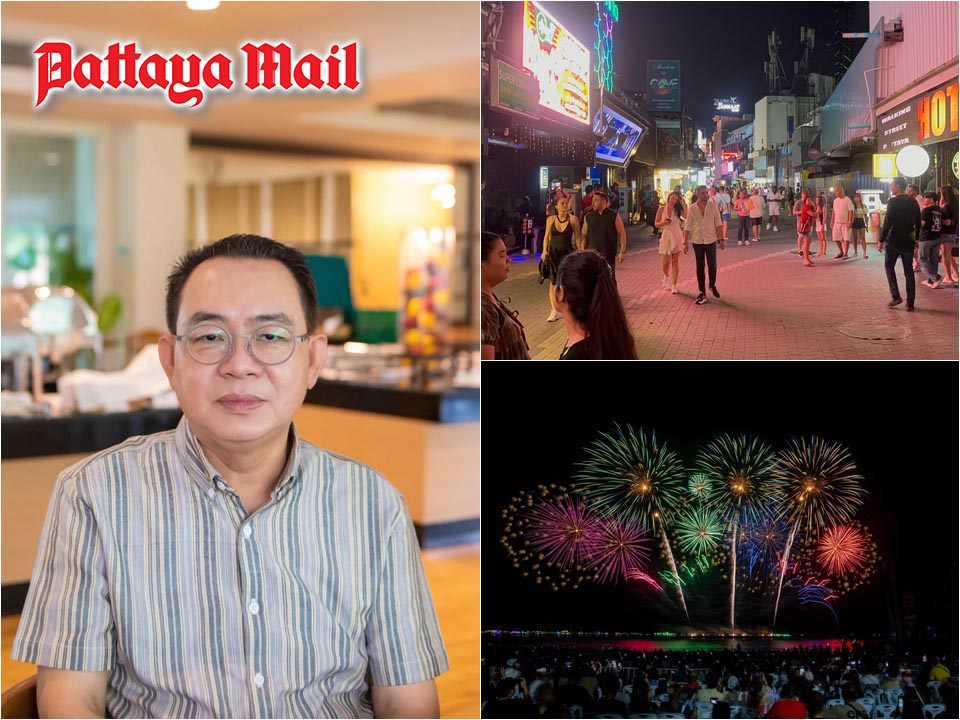
PATTAYA, Thailand – Pattaya’s tourism industry is being urged to rethink its strategy as rising international travel costs, changing visitor habits and tougher competition put pressure on the high season, prompting calls for greater attention to domestic tourism and a fresh approach to major events.
Thanet Supornsahasrungsi, president of the Chonburi Tourism Federation, said international tensions had driven up oil prices and travel costs, with some airlines reducing or cancelling flights. Airfares on certain routes have increased by 30–40%, making overseas holidays more expensive and affecting travellers’ decisions to visit Thailand.
With international arrivals facing these pressures, Thanet said local tourism businesses needed to adjust their marketing strategies and place greater emphasis on Thai visitors and short-haul markets. He identified meetings, incentives, conferences and exhibitions (MICE) as an important opportunity, noting Chonburi’s established hotel network, meeting facilities and range of attractions.
The federation plans to promote Chonburi in Ubon Ratchathani, Chiang Mai, Khon Kaen and Udon Thani, targeting government agencies, organisations and corporate groups for meetings, seminars and study visits. It also intends to expand online promotion to reach younger travellers.
Responding to social media images portraying Pattaya, particularly Walking Street, as unusually quiet, Thanet said isolated photographs and video clips did not necessarily represent the overall situation. Tourist behaviour had changed, he explained, with some visitors spreading out to other areas, including Soi Buakhao, while the time at which footage was recorded could influence how busy a location appeared.
Nevertheless, he acknowledged that tourism was generally slowing. National figures from the Ministry of Tourism and Sports showed visitor numbers down by around 4%, while local businesses could be feeling even greater pressure on revenue due to price competition and promotional offers.
Thanet also called on Pattaya to reassess its calendar of festivals and public events, arguing that each activity should be evaluated according to its ability to attract visitors from outside the area and generate economic returns for local businesses. Events drawing mainly local residents may need a different format or a review of how their budgets are allocated, he suggested.
He singled out the Pattaya International Fireworks Festival, which has been held for more than a decade and remains one of the city’s signature attractions. While the event has traditionally drawn large crowds, he believes its format needs to evolve to maintain its appeal.
With other destinations increasingly incorporating drone displays, advanced lighting and multimedia effects into their celebrations, Thanet said Pattaya should begin planning a more contemporary presentation for next year. He cited Bangkok’s Vijit Chao Phraya festival, which combines fireworks and drone technology, as an example of how established events can develop new attractions.
The private sector is preparing to discuss future tourism promotion with the Tourism Authority of Thailand’s Pattaya office, including strategies for both domestic and international markets.
The message is clear: Pattaya cannot rely solely on its established attractions or wait for travel costs and international conditions to improve. It must offer visitors compelling reasons to come, ensure events deliver value to the local economy and compete through quality, creativity and value for money.