
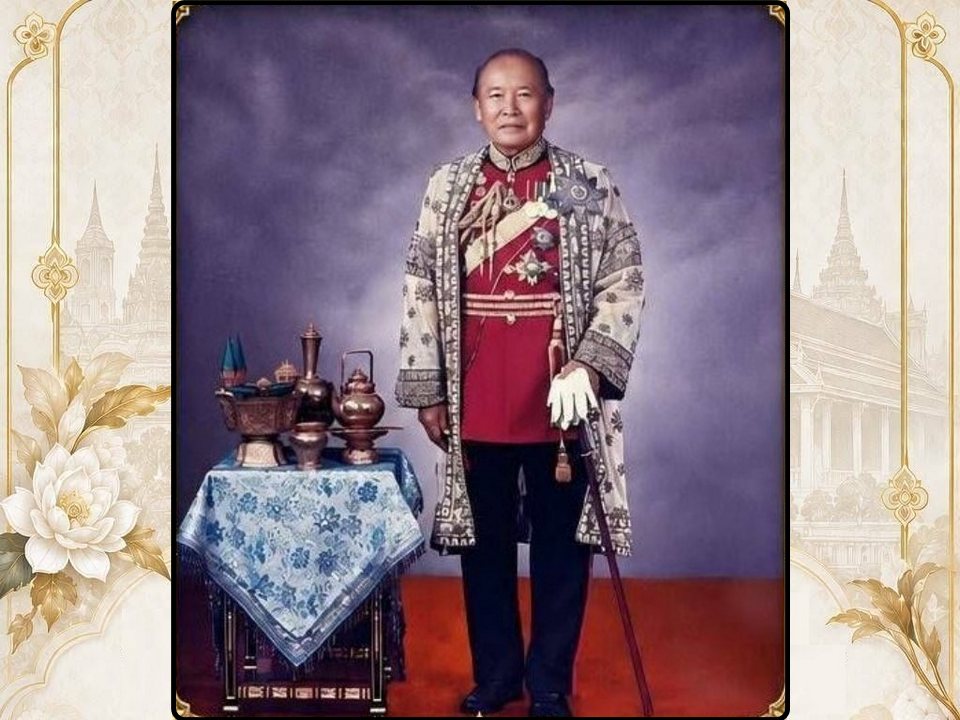
Soldier, Statesman, Rotarian and Gentleman
BANGKOK, Thailand – General Saiyud Kerdphol, former Supreme Commander of the Royal Thai Armed Forces whose remarkable life embraced military leadership, national reconciliation, election monitoring and more than half a century of service through Rotary, died on October 30, 2026, aged 104.
His passing has brought tributes from those who knew him as a thoughtful military strategist, a committed humanitarian and a gentleman whose warmth and intellectual curiosity remained undiminished into his second century. The Rotary Club of Bangkok, which he first joined in 1969, remembered him as a treasured link to both the club’s history and Thailand’s national story.
Born on March 30, 1922 into a farming family in Ban Hat Siao, Si Satchanalai district, Sukhothai province, Gen. Saiyud began his education locally before continuing his studies in Phrae and Bangkok. According to the King Prajadhipok’s Institute, he graduated first in his class from the army’s officer school, an early indication of the ability and discipline that would distinguish his career.
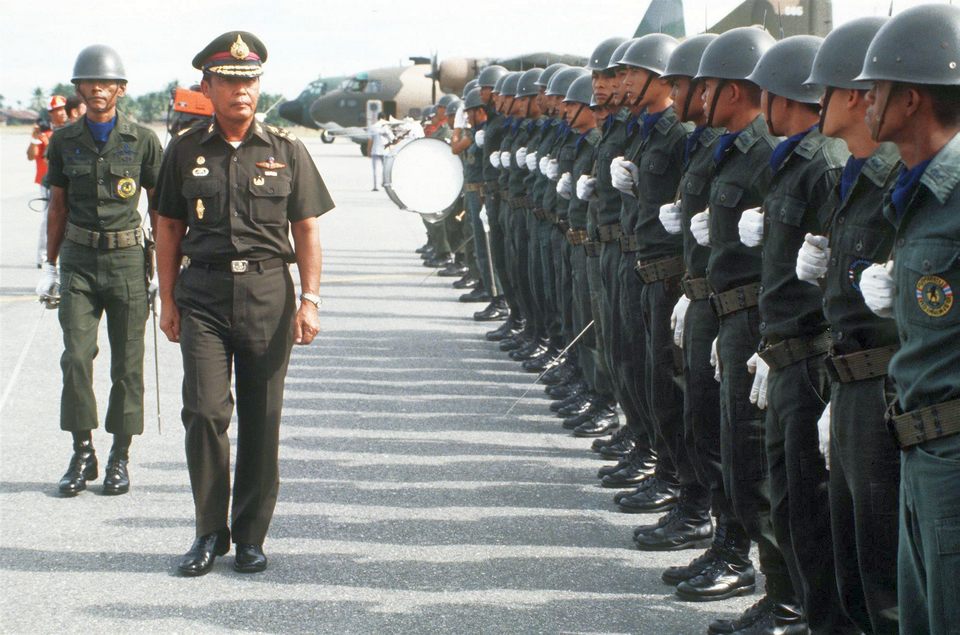
His early service took him into the Indochina conflict and, during the Second World War, into the Phayap Army’s operations in the Shan States. As a captain in 1945, he oversaw the surrender of Japanese forces in Nakhon Pathom. He subsequently served with the Thai Battalion in Korea in 1952, gaining experience that helped shape his understanding of warfare and its human consequences.
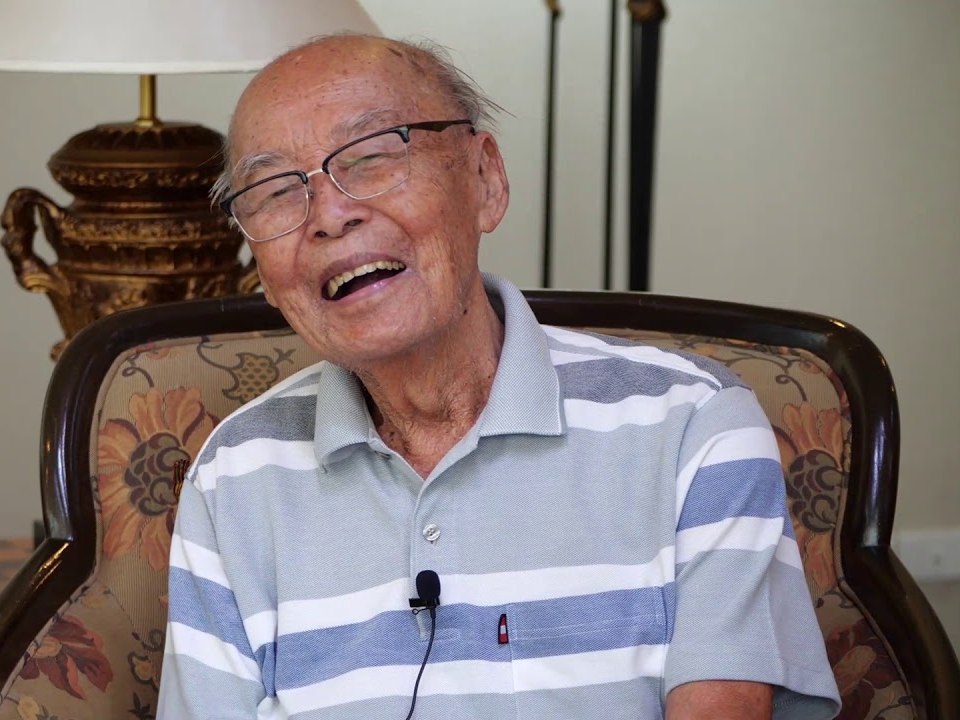
MUST WATCH: Gen. Saiyud Kerdphol interview by Korean War Legacy Foundation
Further military education took him overseas. The Australian Embassy records that he became the first Thai officer to attend an Australian military course, completing the Australian Command and Staff Course at Queenscliff in 1958. His studies and international relationships contributed to a career spanning intelligence, operations and strategic planning.
During the Cold War, he helped establish Headquarters 333 in 1960, supporting Thailand’s covert operations in Laos, and became closely involved in the country’s response to the communist insurgency.
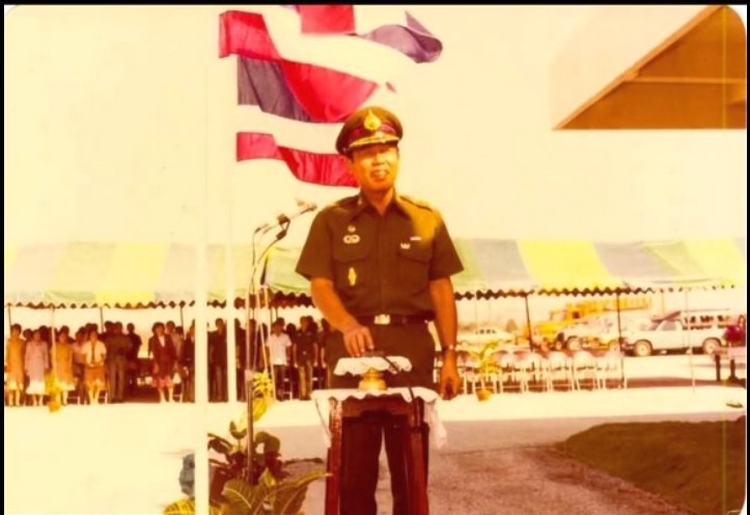
Yet one of his most enduring contributions was his recognition that military operations alone could not resolve a conflict rooted in political grievances, rural hardship and distrust of the state. He advocated an approach that combined security with development, political participation and opportunities for reconciliation.
That thinking helped lay the foundations for Prime Minister’s Office Order 66/2523 under General Prem Tinsulanonda’s government. The policy encouraged communist insurgents to abandon armed struggle and return to civilian society, helping Thailand move towards an end to its internal conflict. Gen. Saiyud also helped open a path home for students and activists who had entered the jungle following the violence of October 6, 1976.
He retired in 1983 as Supreme Commander of the Royal Thai Armed Forces, having reached the highest levels of military responsibility.
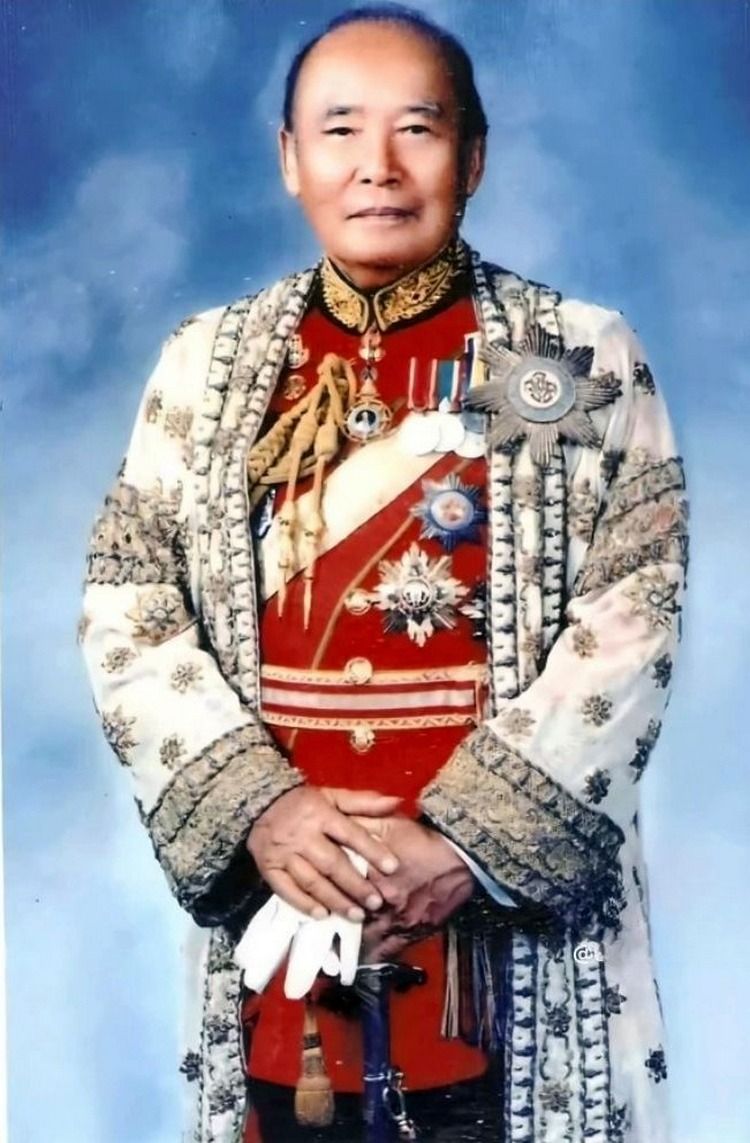
His service to the Kingdom was recognised through distinguished royally bestowed decorations. These included Knight Grand Commander (Second Class, Higher Grade) of the Most Illustrious Order of Chula Chom Klao; Knight Grand Cordon (Special Class) of the Most Exalted Order of the White Elephant; and Knight Grand Cordon (Special Class) of the Most Noble Order of the Crown of Thailand.
The honours reflected a career devoted to national service across decades of war, political change and regional uncertainty. His international recognition also included the Australian honour of Officer of the Order of Australia, reflected in the postnominal AO used for him by the Australian Embassy.
Retirement brought a new chapter of public responsibility. He chaired the Prime Minister’s Social Advisory Committee, became an adviser to the prime minister in 1986 and shared his experience at conferences on peace and security. His writings included The Struggle for Thailand: Counter-insurgency 1965–1985, published in 1986.
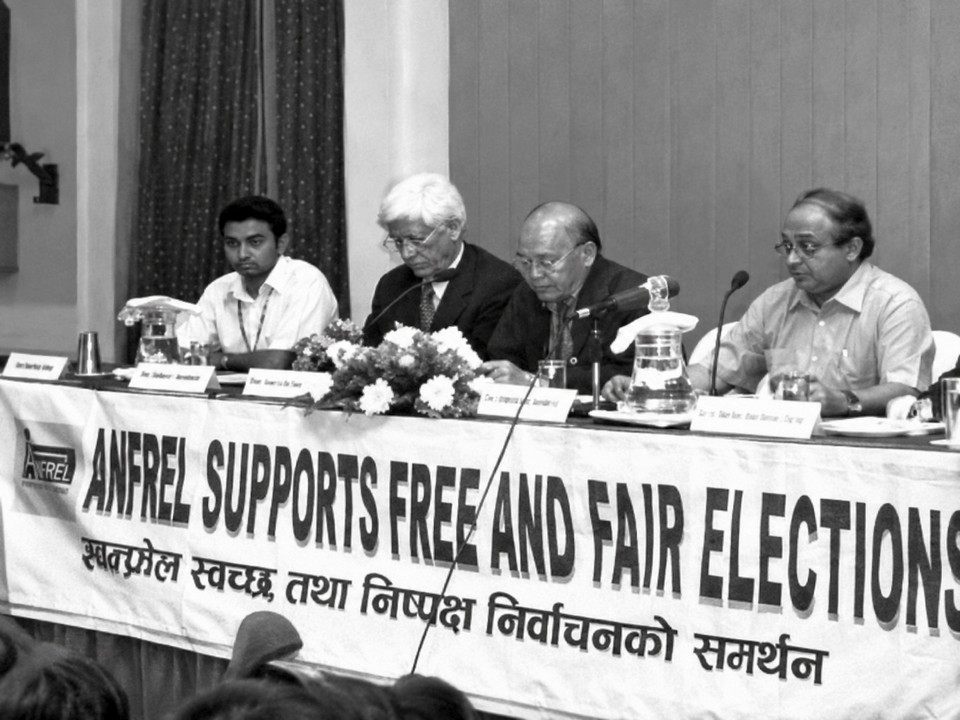
He also turned his attention to the integrity of elections and the role of citizens in political life. In 1986, he initiated a nonpartisan civic group encouraging public participation and scrutiny of political conduct. He served as deputy chairman of an election-monitoring committee established in 1992 and of the Democracy Development Committee in 1994.
Through the People’s Network for Elections, the Poll Watch Foundation and the Asian Network for Free Elections, known as ANFREL, he supported efforts to make elections more transparent and credible.
His work extended beyond Thailand to observation missions across Asia. In 2008, he led ANFREL’s mission for Nepal’s Constituent Assembly elections, a crucial step in the country’s transition after years of conflict. ANFREL’s final report records the deployment of 105 international observers from 24 countries, making it the organisation’s largest mission at that time.
His later political interventions sometimes attracted disagreement. During Thailand’s 2014 political crisis, he led a group of former senior officials proposing talks and a framework for resolving the impasse. Pheu Thai party representatives opposed the initiative, arguing that it risked bypassing the elected government. His public record therefore encompassed both widely respected service and proposals contested within Thailand’s divided political landscape.
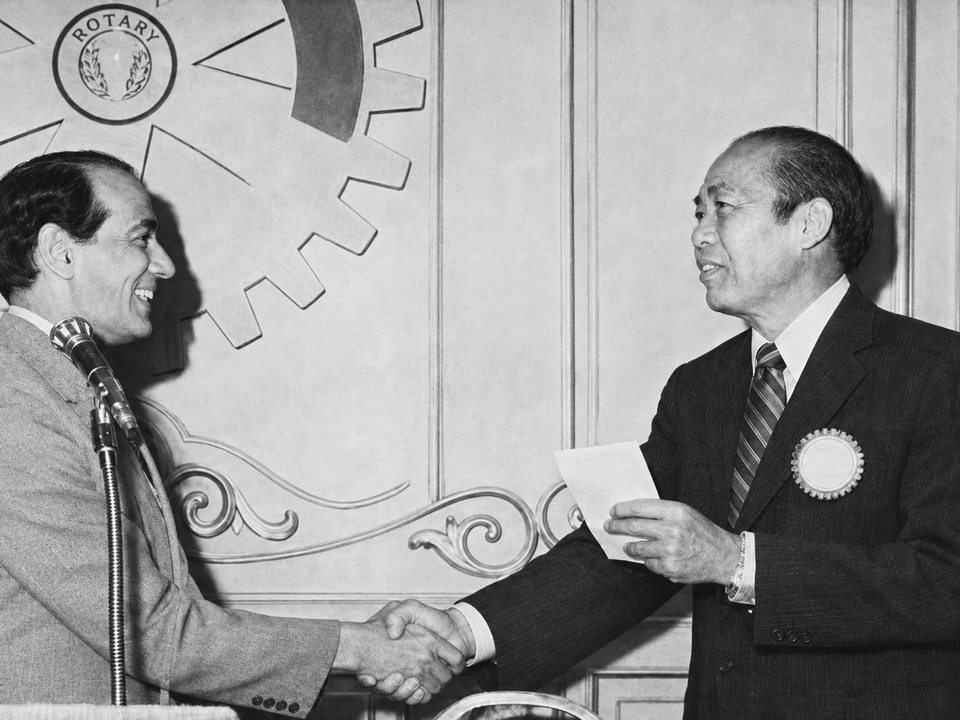
Throughout these decades, Rotary remained central to his life
Invited into the Rotary Club of Bangkok in 1969 by his friend, US Colonel Dick Weaver, Gen. Saiyud brought to the organisation a conviction that lasting peace required a practical understanding of people’s lives.
His work with northern hill tribe communities helped draw the club into projects supporting their welfare and opportunities. Official responsibilities later required him to step back from Rotary, but he returned in 1981 and soon initiated the club’s Khao Kho peacebuilding project.
A fundraising dinner held under his leadership on January 15, 1982, raised 850,000 baht. Between 1981 and 1984, the club invested 780,000 baht in Khao Kho, establishing a Vocational Youth Training Centre and supporting farming and livelihoods in communities emerging from conflict.
The project gave practical expression to his belief that peace must be sustained through opportunity, dignity and greater economic self-reliance.
He became president of the Rotary Club of Bangkok in 1984-85 and served as governor of Rotary International District 335 in 1991-92. Among the achievements he particularly valued were helping establish the Rotary Centre in Thailand and preparing the reorganisation that gave Thailand its present four-district structure in 1992-93.
For many years afterwards, he continued as an adviser to the club’s board and chairman of the Bangkok Rotary Club Foundation.
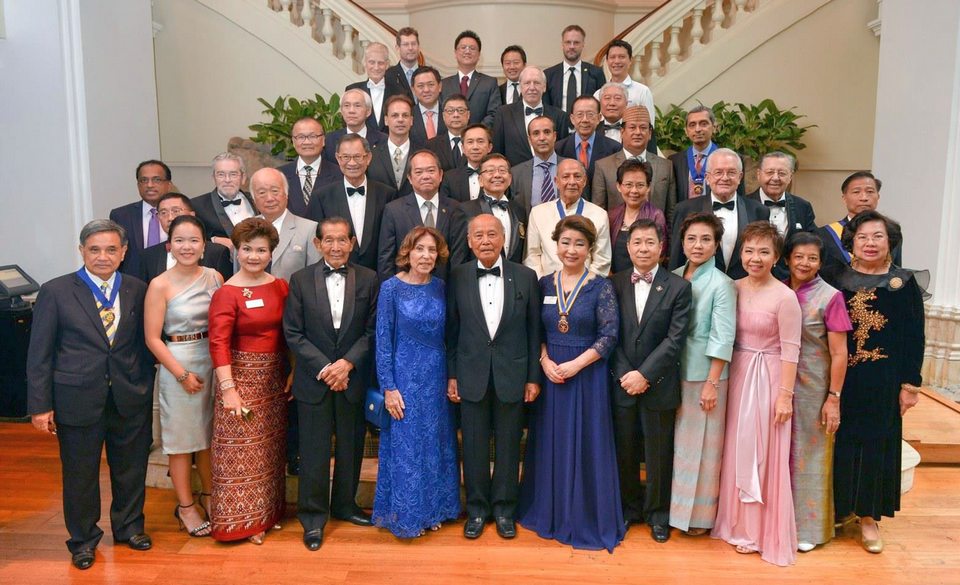
Together with his wife, Rotarian Eva Maria Degli Albizi, he remained a devoted presence at meetings, with both achieving perfect attendance over many years. Their commitment extended to friendships with clubs throughout Thailand. In January 2020, aged 97, he travelled with Eva to attend a club assembly of the Rotary Club of Royal Hua Hin.
For Pattaya’s Rotarians, his appeal for understanding across cultures remains especially meaningful. Reporting on his address to the Rotary Club of Pattaya in 2004, Pattaya Mail described how he spoke in Thai and English about cooperation between people of different backgrounds. He praised the club’s bilingual fellowship and urged members to “learn to love each other and work together as a team.”
His message was that tolerance and mutual understanding could turn the diversity within Rotary into a powerful force for friendship and peace. Even the celebration of his approaching hundredth birthday became an opportunity to serve. At a Rotary gathering at Bangkok’s Grand Hyatt Erawan on March 3, 2022, he presented scholarships to military nursing students.
Beyond his military, civic and Rotary commitments, Gen. Saiyud advocated vegetarian living. He founded the Thai Vegetarian Union, served as president of the Bangkok Vegetarian Society and was a founding member of the Thai Centenarian Club.
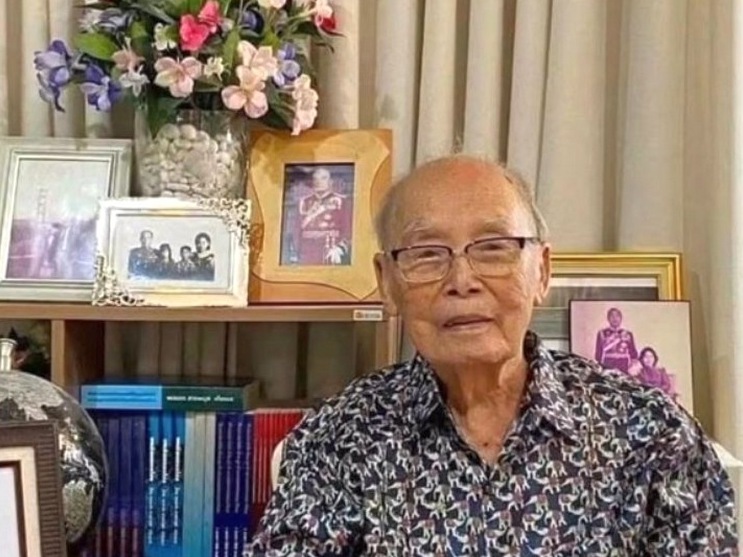
Those who visited him in later life remembered a gracious host who remained interested in the world around him, generous with his recollections and attentive to the lives of others.
Rotary Club of Bangkok President Dr Jean-Pierre Verbiest extended the club’s condolences to Eva and the family, remembering a man whose wisdom, friendship and commitment had enriched generations of members.
Funeral rites under royal patronage are being held at Sala 5, Wat Sommanat Ratchaworawihan in Bangkok. The royal cremation ceremony is scheduled for Saturday, November 7, 2026, at 3.30 p.m.
Across more than a century, Gen. Saiyud’s life reached from the battlefield to the ballot box, from national command to village development, and from international affairs to the fellowship of the Rotary meeting room.
He leaves a legacy of distinguished service, but also something deeply personal: the affection of those who knew a soldier who valued reconciliation, a leader who continued to learn, and a gentleman who believed that understanding one another was essential to peace.