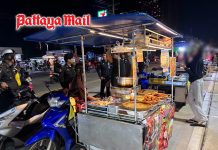


PATTAYA, Thailand – For aspiring entrepreneurs with limited capital, starting a food business does not necessarily mean renting a shop, investing in a full restaurant or taking on substantial monthly overheads. A food truck can offer another way to turn an idea into a business. An ice cream truck operated by Duca’tim, serving tourists on Second Road behind Central Pattaya, illustrates how a mobile food business can bring products directly to customers in one of the city’s busy visitor areas.
From ice cream and coffee to burgers, snacks and Thai street food, mobile vendors can build a business around a focused menu, a distinctive identity and locations where customers are already gathering. For first-time entrepreneurs, one attraction is the potential to start on a smaller scale than a conventional restaurant. Depending on the vehicle, equipment and concept, operators may be able to use an existing vehicle, buy a second-hand one or invest in a purpose-built truck. Thai business guides identify vehicle conversion, cooking equipment, branding and operating expenses among the main costs to consider.
The model also offers flexibility. Vendors may be able to serve different locations, participate in markets and events, or adjust their products to suit local demand, subject to permission to trade at each site. Pattaya’s mix of tourists, residents and seasonal visitors provides a varied potential customer base. A simple product such as ice cream can appeal to people exploring the city, while other operators may find opportunities serving workers, families or visitors attending events.
However, a mobile business is not automatically a low-cost or low-risk one. Buying and converting a vehicle can require a substantial initial investment, while ingredients, fuel, staff, maintenance, parking or site fees and weather-dependent sales all affect profitability. Food safety requirements and local permissions must also be considered.
The most important step for anyone considering the idea is to calculate the full costs, identify a suitable trading location and test whether expected daily sales can cover expenses before committing to a major investment. For people who want to become their own bosses, a food truck can be more than a way to sell food. With careful planning, it can provide a practical first step towards building a small business. (Photo: Duca’tim Pattaya FB)