BANGKOK, Thailand – Avoiding cakes, sweets and sugary drinks does not necessarily mean a person is eating a low-carbohydrate diet. A Taiwanese kidney specialist has highlighted the case of a 62-year-old man who avoided sweets for more than 20 years but still developed high blood sugar, with his everyday meals providing a possible explanation.
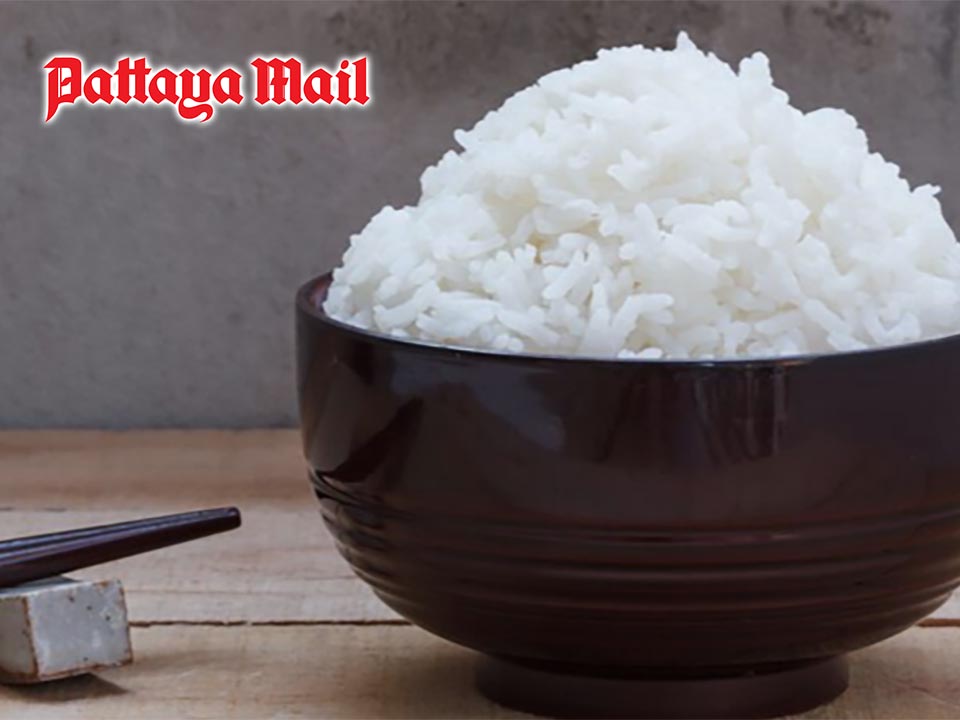
According to Dr Lin Hsuan-jen, the man regularly ate about two bowls of cooked rice with pickled vegetables at each meal. Although rice does not taste sweet, it is a carbohydrate that is broken down into glucose during digestion and can raise blood sugar.
The case highlights a common misunderstanding between sweetness and carbohydrates. The sweet taste detected by the tongue is only one indication of sugar in food. Blood glucose is also affected by the amount of carbohydrate consumed and how quickly it is digested and absorbed.
Five groups of foods that may contain hidden carbohydrates
People trying to control their blood sugar can overlook several foods that do not necessarily taste sweet but can still provide substantial amounts of carbohydrates:
- Staple foods: Rice, noodles, mantou, bread, dumpling wrappers and congee can all contribute carbohydrates that are broken down into glucose.
- Starchy vegetables and root crops: Sweet potatoes, potatoes, taro, corn and pumpkin are often treated as vegetables but can contribute significant carbohydrates and may serve as part of the carbohydrate portion of a meal.
- Sauces and gravy-based dishes: Noodles with gravy, rice dishes with sauces, sweet-and-sour sauce, ketchup and barbecue sauce may contain added carbohydrates and sugar.
- Savoury processed foods: Savoury bread, crackers and salty snacks can contain more carbohydrates than their taste might suggest.
- Alcoholic drinks: Beer and sweet alcoholic beverages can contain carbohydrates, while alcohol can also affect the liver’s role in regulating blood sugar.
Changing the order of eating
The doctor also cautioned against eliminating carbohydrates completely and replacing them with very large amounts of meat or protein. This may place additional strain on the kidneys, particularly in people with reduced kidney function or protein in the urine.
Instead, the suggested approach is to change the order in which food is eaten. The patient began with vegetables and meat before eating rice. According to the case report, this naturally reduced his rice intake from about two bowls to less than one bowl per meal.
After three months, his HbA1c, a measure of average blood sugar over the previous several months, fell from 7.6% to 6.9% without a change in medication, according to the report. The case does not mean that rice or carbohydrates must be eliminated completely. Rather, it illustrates why people monitoring blood sugar should consider the total carbohydrate content of their meals, not simply whether a food tastes sweet. People with diabetes or concerns about blood sugar should discuss appropriate carbohydrate intake and meal planning with a doctor or dietitian, particularly if they also have kidney problems.