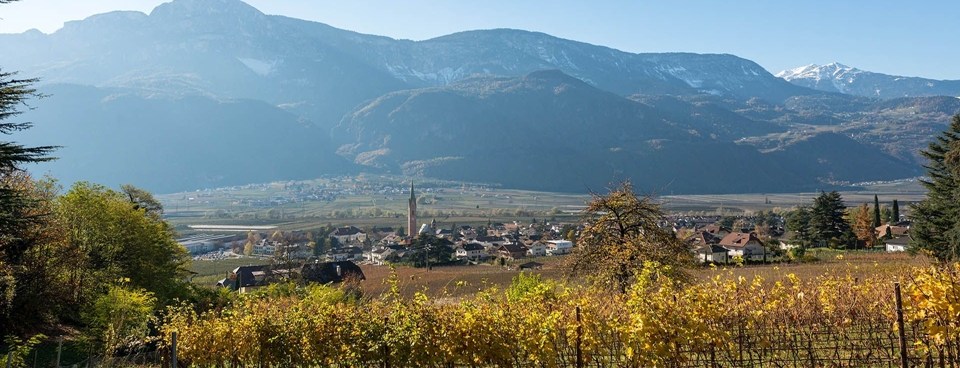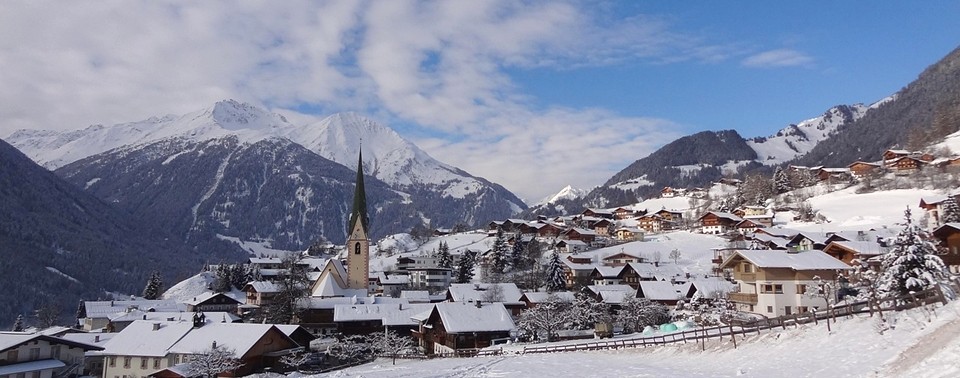
The Tyrol has always sounded a magical, evocative name to me. In case you’ve forgotten, it’s a historic region spanning northern Italy and western Austria, nestled in an exhilarating alpine landscape. The name Tyrol brings to mind the usual stereotypes: snow-capped mountains, village brass bands, blokes wearing lederhosen and feathers stuck in their hats, relentlessly jolly accordion music, and benign cows with bells and garlands of flowers dangling from their necks. Then there’s that curious singing style known as yodelling, often heard in the Tyrol. It dates back hundreds of years and originated in the calls of Tyrolean cow-herders. These images may be stereotypes, but they really exist, as I discovered many years ago, driving my trusty Triumph 2500 from Innsbruck to Venice. This journey is not as long as it seems – only about 240 miles – but the road passes through some of the most memorable scenery in Europe. On the way south, you cross the Italian frontier, which in those days involved having your passport stamped yet again and changing your money into the local currency. At the time, Italy was facing economic difficulties, resulting in high inflation. In return for your pristine Austrian schillings, the lady at the money-changing booth would present you with absurdly generous handfuls of scruffy lira notes.
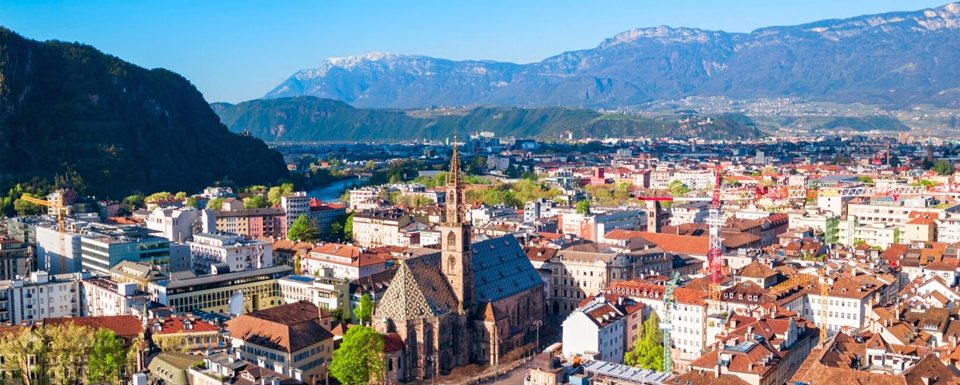
About eighteen miles south of the border lies the sprawling historic Italian city of Bolzano. It’s the capital of South Tyrol and lies in the region known as the Alto Adige. Bolzano and its province are officially bilingual in Italian and German, though many other minor languages are heard in the region.
One of these minority languages is Ladin (not to be confused with Latin), and it’s similar to the Swiss language, Romansch. In some villages, Mòcheno and Cimbrian are spoken. They are just two of the forty different variants of the Bavarian dialect used in South Tyrol. In the early 19th century, Bavaria and Tyrol were one and the same place, and the mountainous terrain and remoteness of many villages (especially in winter) created ideal conditions for different dialects to develop and thrive.
A short drive west from Bolzano brings you to the small and pleasant commune of Terlano, or Terlan as German speakers prefer to call it. The village is dominated by a splendid 14th-century parish church with a magnificent steeple, visible for miles around. High among the hills just outside the town stand the somewhat forlorn ruins of Neuhaus Castle, built by the Counts of Tyrol around 1200. The town of Terlan is famous for its apples, asparagus, and especially its wine.
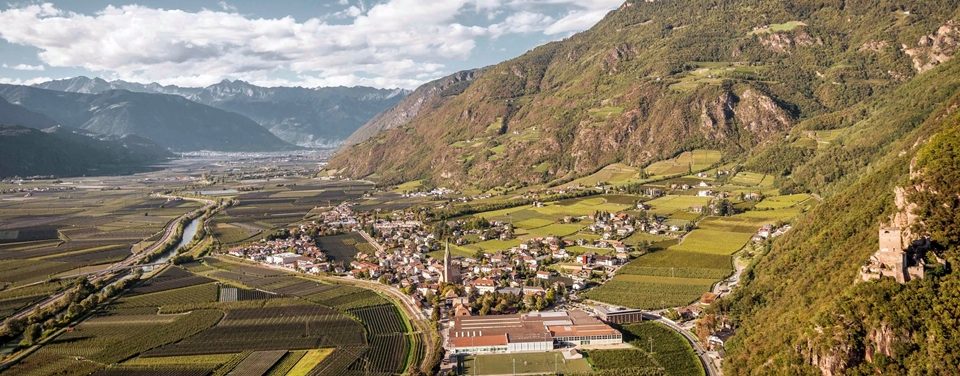
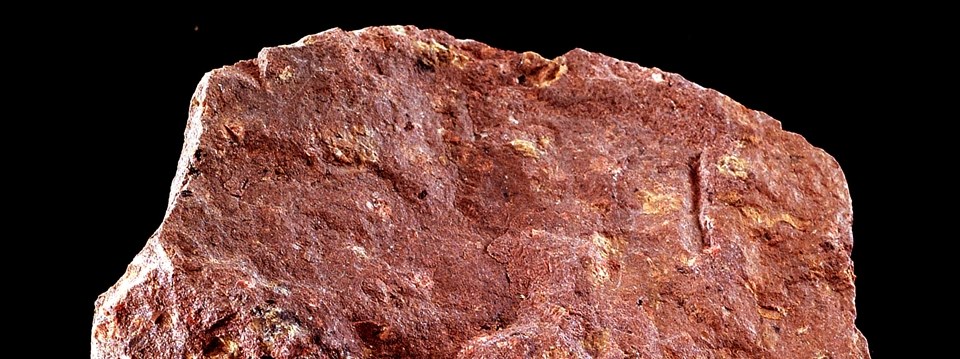
Terlan lies in the heart of Alto Adige. It’s one of Italy’s smallest wine regions, but it has some of the country’s highest vineyards. Some are at over 3,000 feet above sea level. About 70% of Alto Adige vineyards are planted with white grapes, especially Pinot Grigio, Sauvignon Blanc, Riesling and Grüner Veltliner. Warm days ripen the fruit, but at night temperatures drop rapidly, helping the grapes retain freshness and bright aromatics. The soils are rich in minerals and contain porphyry, dolomite, limestone, granite and quartz. Porphyry (PAW-furry) is a purple-red volcanic rock highly prized by ancient civilisations, notably the Aztecs and the ancient Romans. The imposing spire of Terlan’s parish church is decorated with this reddish, lustrous stone. People of a certain disposition believe that porphyry can protect against evil forces, malevolent entities, spells, and curses, or even restore damaged DNA. I would take this with a pinch of pink Himalayan salt, but it’s an established fact that soils rich in porphyry and other minerals enhance the floral aromatics, complexity and mineral notes in wine.
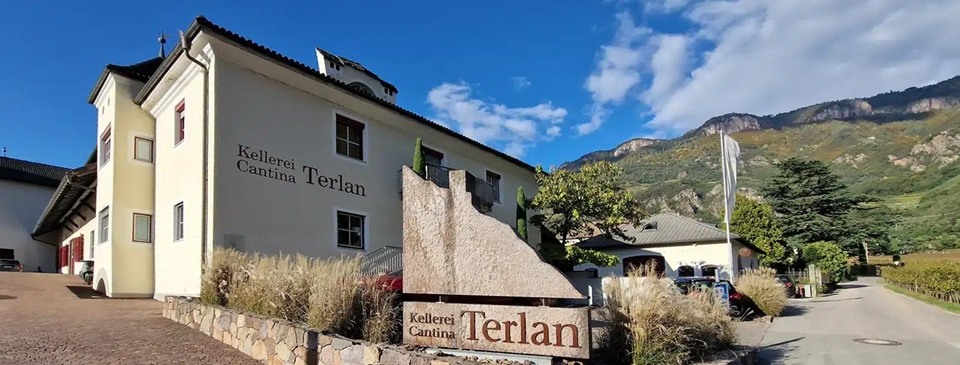
Kellerei Terlan (or Cantina Terlano) was established in 1893. It is a wine co-operative with over two hundred grower-members and a total vineyard area of about 600 acres. A wine cooperative, by the way, is a winery jointly owned by vineyard owners who supply the grapes for processing at the winery. In many wine-making countries, cooperatives are responsible for most of the wine production. Kellerei Terlan produces a wide selection of quality wines, and the Terlan Tradition range offers superior entry-level reds and whites, recognised for their elegance and complexity. The winery also produces a range of much-sought-after wines made using the Stocker Method, named after the company’s former winemaker, Sebastian Stocker. He let wines rest on the lees for up to a year in wooden barrels, then transferred them to small steel tanks, where they age for ten to thirty years. The lees are the dead yeast cells left over after fermentation, and keeping them in contact with the young wine brings richness and complexity. When the ageing wine has attained a perfect balance and harmony, it is bottled. After a further four or five years in the bottle, it’s ready to be released on the market. The oldest of these Stocker wines date from 1979, but only about 3,000 bottles of these exceptional wines are produced each year.
One of the most intriguing features of Kellerei Terlan is its famous Wine Archive, which is stored in deep cellars forty feet underground. This treasure trove contains about 100,000 wines from every vintage from 1955 to the present, plus a few dating from 1893.
Terlan Tradition Pinot Grigio Südtirol Alto Adige DOC 2024 (white) Bt 799 @ Vines to Vino, Pattaya.
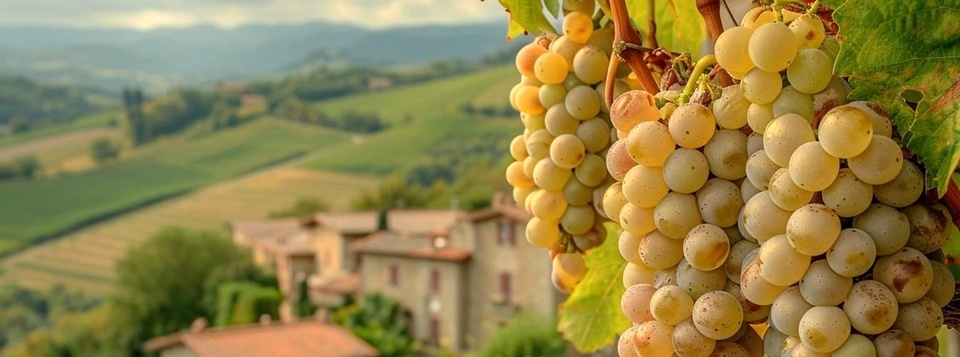
Pinot Grigio is grown worldwide. In France it’s known as “Pinot gris” and in Germany as “Grauburgunder”, a name that reveals its original home in France. The word “pinot” derives from the French word pin (“pine”) and alludes to the tight, pine cone-shaped clusters of grapes. At the risk of oversimplification, this grape is used to produce two main styles of wine. In the French region of Alsace, they make Pinot Gris into a slightly spicy, full-bodied “oily” wine, whereas in Italy Pinot Grigio is made into a lively, more acidic wine. Unfortunately, it can be too acidic and somewhat charmless. I was delighted to discover that this Terlan Tradition Pinot Grigio stands apart, with none of the typical sharp acidity. In a way, the wine seems to veer toward the rounder, more refined Alsatian style. Perhaps it’s somewhere in between. The winemaker is Rudi Kofler, the Cellarmaster at Kellerei Terlan, and he has a profound knowledge of the local terroir, which helps him guide the right viticulture to produce perfect grapes. Of this vintage (2024), Rudi Kofler writes, “The Pinot Grigio is an extremely elegant wine with a multifaceted fruity bouquet. It convinces with its mild, round finish and balanced acidity.” The grapes were harvested manually, gently pressed and clarified, then fermented slowly in stainless steel tanks at a controlled temperature. The wine was aged on the lees for seven months.
This wine comes in a slightly squat Burgundy-like bottle. It’s surprisingly heavy and, even when empty, weighs well over half a kilogram. And yes, I weighed it. The wine is a bright, luminous gold, which looks splendid in the glass. It has an exotic floral aroma of peach and pear, along with a hint of lychee and white melon. If you give it a bit of time in the glass, the oxygen in the air will bring out herbaceous, slightly grassy secondary aromas of fresh basil. The winemakers also claim that there are aromas of black tea. Sadly, the aroma of black tea eluded me, so I shall have to take their word for it. But did you know that as you become older, your sense of smell and taste begin to fade significantly? This is a depressing prospect, but as my mother often said when receiving unwelcome news, “Worse things happen at sea.”
The wine is tantalisingly soft and silky on the palate, with a predominant pear flavour. The winemakers at Kellerei Terlan have balanced the fruit flavours perfectly with the attractive soft acidity. The wine is dry, of course, and it has an exceptionally long dry finish. The “finish” describes how long the flavours remain balanced in the mouth after the liquid is swallowed, and a long finish invariably indicates a well-crafted wine. Although it is 13.5% ABV, the wine feels delightfully light and elegant, and it smells and tastes a lot more expensive than it is. It would make a superb apéritif, but light and aromatic foods spring to mind, such as dishes with ham or smoked bacon, and I think it would work splendidly with many mildly flavoured vegetarian dishes, mushrooms or vegetarian pâté. The makers suggest drinking it with venison salami, nettle gnocchi, or beetroot dumplings, though where you might find these items is anyone’s guess. This is a classy little wine and excellent value for the money. This is one of the most enjoyable Pinot Grigio wines that I have tasted in recent years. If you have become disillusioned with most Italian run-of-the-mill Pinot Grigio, do give this example a try.

Kellerei Terlan is well-known for its meticulous attention to detail, both in the vineyard and in the winery. This attention also extends to wine glasses. Klaus Gasser, the Sales Manager at Kellerei Terlan, said that “Despite an intensive search and innumerable tastings, we simply couldn’t find a wine glass that left us completely convinced”. Eighty different wine glasses were tested, but none of them really brought out the more subtle qualities of the wines. The company approached the renowned glass manufacturer Cerva in the Czech Republic. A long development process followed, and the team from Kellerei Terlan had to explore various technical parameters themselves. For example, they discovered that bowl size, rim shape, and the angle of inclination all play a key role in the wine-tasting experience. Countless prototypes and numerous tastings led to the Terlano Precision glass, which fully meets the company’s stringent requirements.
And now, if you don’t mind, I am going to take my leave for the moment and go online to buy a porphyry pendant for protection against evil forces and malevolent entities. You can’t be too careful, you know.