
BANGKOK, Thailand – Massage is a popular way to relieve muscle tension, reduce stress and improve wellbeing, but it may pose serious health risks for certain people, a Thai doctor has warned.
Dr. Jedsada Boonyawongvirot, widely known as Dr. Jade, Deputy Director of Maharat Nakhon Ratchasima Hospital, has highlighted five groups of people who should avoid massage or seek medical advice before undergoing treatment, warning that certain techniques could worsen existing conditions and, in some cases, lead to life-threatening complications.
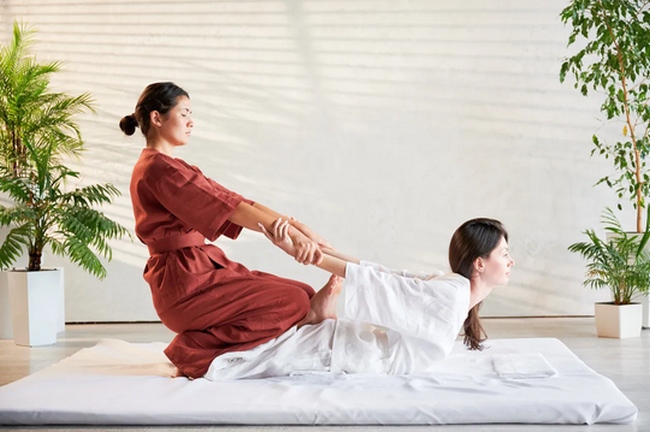
His warning comes amid renewed public concern over massage safety following the death of singer Phing Chayada Guitar Record, who reportedly suffered severe physical complications after receiving a neck-twisting massage. In a post on his Facebook page, Dr. Jedsada explained that while traditional Thai massage is an important part of Thai culture and can provide relaxation and health benefits when performed appropriately, it is not suitable for everyone.
The five groups requiring particular caution are:
1. People with osteoporosis or weakened bones
People with osteoporosis or low bone density should avoid forceful massage, deep pressure and techniques involving twisting or manipulating the body. Their bones are more fragile and may fracture under pressure that would normally be harmless to others. Older people are particularly vulnerable because osteoporosis can develop without obvious symptoms. Anyone experiencing muscle or joint pain should consult a doctor about safer treatment options rather than risk injury through intensive massage.
2. Cancer patients, particularly those with bone metastases
People undergoing cancer treatment, especially those whose cancer has spread to the bones, should seek medical advice before receiving massage. Areas affected by cancer may be weakened, making them vulnerable to fractures and further injury from pressure or manipulation. Patients undergoing chemotherapy may also have additional health concerns that need to be considered. Dr. Jedsada advised cancer patients to avoid massage unless their medical team confirms that an appropriate technique is safe.
3. People taking blood-thinning or antiplatelet medication
People taking anticoagulants or antiplatelet drugs, including warfarin and aspirin, face an increased risk of bleeding and bruising. Forceful pressure, deep-tissue massage or the use of traditional massage tools can damage small blood vessels, potentially causing significant bruising or internal bleeding beneath the skin. Those taking these medications should always inform their massage therapist and consult their doctor about suitable alternatives.
4. Pregnant women
Pregnant women may experience back pain, leg discomfort and muscle tension, but massage requires special care during pregnancy. Certain pressure techniques, particularly around the abdomen, lower back and feet, may be unsuitable depending on the stage of pregnancy and the mother’s health. Women who wish to receive massage should choose therapists specifically trained in pregnancy massage and avoid forceful pressure or inappropriate techniques, particularly during the first trimester and later stages of pregnancy.
5. People with infections or fever
Anyone suffering from a fever or an active infection, including influenza, dengue fever or gastrointestinal infections, should avoid massage until they have recovered. In conditions such as dengue fever, forceful pressure can increase the risk of bleeding because of the disease’s effects on blood vessels and platelets. People experiencing fever or signs of infection should prioritize medical treatment and rest rather than seek relief through massage.
Dr. Jedsada concluded that traditional Thai massage can be beneficial when performed correctly and on suitable individuals. However, people with underlying medical conditions should not assume that massage is always a safe way to relieve pain. He encouraged anyone who falls into these five groups to seek professional medical advice and consider safer alternatives before booking a massage.