
BANGKOK, Thailand – The Federation of Thai Industries (FTI) and the Electricity Generating Authority of Thailand (EGAT) are exploring ways to connect investment in clean energy with the development of domestic manufacturers, creating opportunities for Thai businesses and small and medium-sized enterprises (SMEs) to join the energy supply chain. FTI Chairwoman Pimjai Leeissaranukul said Thailand was entering a crucial period in its energy transition, with the share of clean energy expected to rise from around 20% today to 50% within the next 10 years.
Solar power is expected to account for much of this expansion, with an additional 24,000 megawatts planned. Of this capacity, 10,000 MW is expected to come from rooftop solar installations, while the remainder would be supported by private-sector electricity trading through Direct Power Purchase Agreements (Direct PPA). She said expanding clean energy would also require improvements to the electricity grid to maintain energy security and competitive prices. The investment could provide an opportunity to increase the use of locally manufactured equipment and components, attract foreign investment and bring new technology into Thailand.
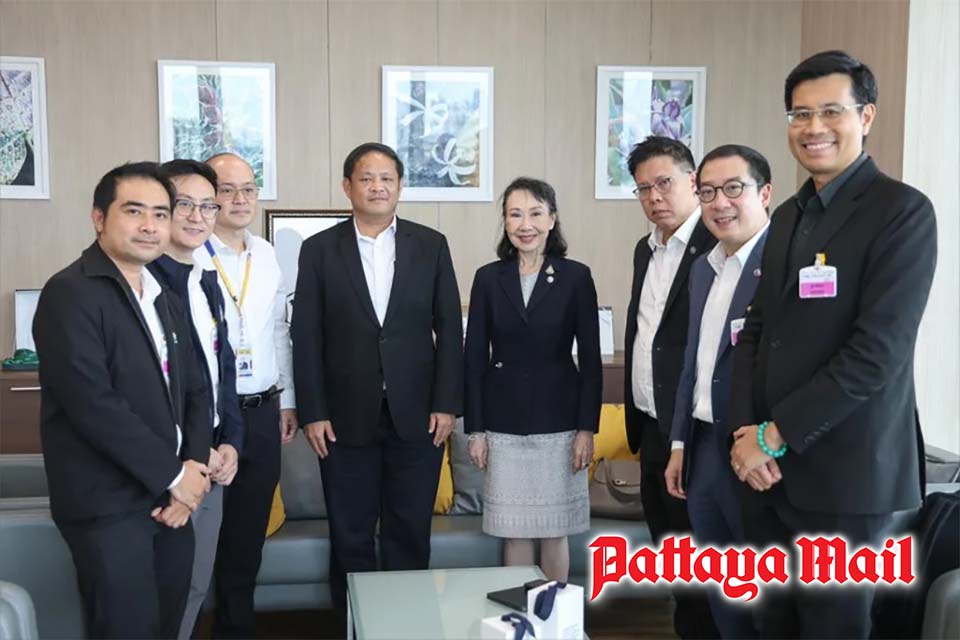
The FTI delegation discussed these priorities with EGAT Governor Narin Phaowanich on October 29, as part of the Reinvent Thailand initiative. Pimjai said domestic procurement could generate greater economic value through job creation, skills development and technology transfer, particularly if Thai SMEs were given opportunities to participate in major energy projects.
Narin said EGAT was ready to support locally manufactured products, provided they met required standards for quality, price and delivery. Discussions covered equipment including transformers, switchgear, transmission-system components and energy storage systems, as well as opportunities for investment and joint ventures in areas where Thailand still faces technological or production-capacity limitations.
The FTI also proposed using the Made in Thailand (MiT) certification scheme to encourage domestic procurement and connecting engineering, procurement and construction (EPC) contractors with Thai manufacturers and SMEs. Both sides also discussed promoting energy-efficient appliances, linking the No. 5 energy-efficiency label with exchange programs for older appliances and improving the management of discarded equipment through pilot projects.