

BANGKOK, Thailand – Thailand’s flagship high-speed rail project linking Don Mueang, Suvarnabhumi and U-Tapao airports faces an uncertain future after the CP Group-led private consortium asked to terminate its contract, citing difficulties securing bank financing.
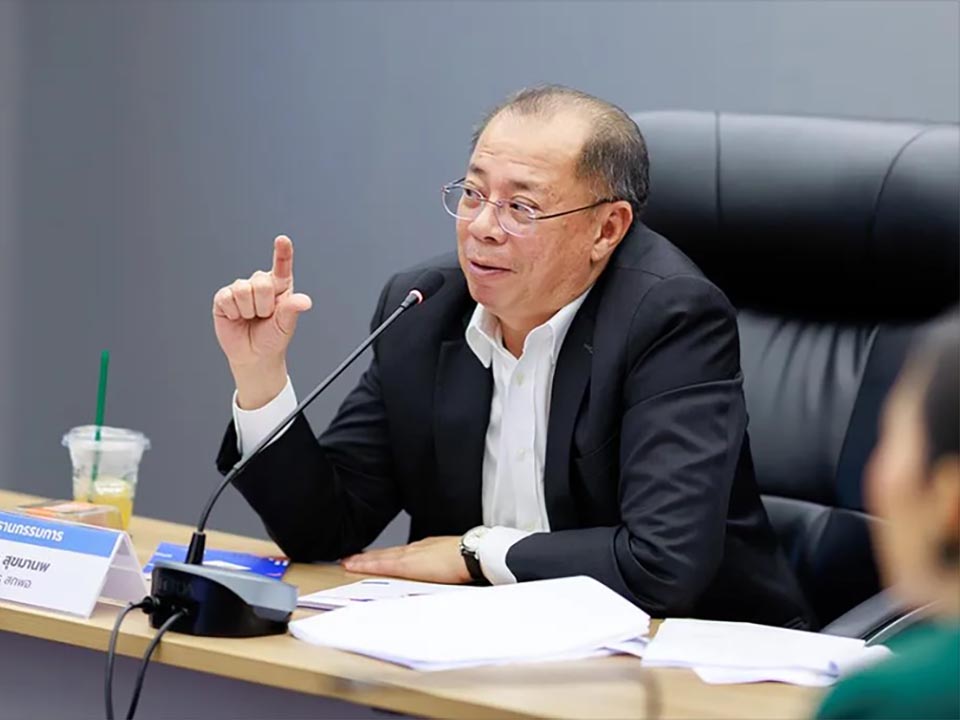
Chula Sukmanop, secretary-general of the Eastern Economic Corridor (EEC) Office, said on October 26 that Prime Minister Anutin Charnvirakul had instructed officials to bring the project back for consideration at the next EEC board meeting in November. The board did not discuss the railway at its latest meeting.
Chula said the original project would be difficult to proceed with under current conditions. Financial assessments indicate that it is no longer commercially viable, discouraging financial institutions from providing loans. Although the Office of the Attorney General has reviewed proposed contract amendments and found that changes could be made legally, Chula said amendments alone would not resolve the lack of financing.
The CP-led consortium has submitted a request to terminate the contract to the State Railway of Thailand (SRT), but the railway authority has not accepted that the move constitutes a valid termination. Negotiations and dispute-resolution procedures are therefore continuing.
The SRT also needs to pursue more than 10 billion baht in outstanding payments related to the Airport Rail Link to protect the state’s legal interests and prevent claims from becoming time-barred.
Chula stressed that the public-private partnership contract has not formally ended. Any termination would require approval from the EEC Policy Committee and submission to the Cabinet. If the parties cannot reach an agreement, the dispute could proceed to court, while the government may seek to enforce the contract guarantee if state losses are established.
Despite the uncertainty, the EEC says rail connectivity from Bangkok to U-Tapao Airport and Rayong remains essential. If the existing contract ends, authorities will need to consider a new approach, including direct state investment or a redesigned public-private partnership that can attract private investors.
One option under consideration is reducing the proposed maximum speed from 250 kilometres per hour to 160 kilometres per hour and developing a rail network that also serves Rayong residents and businesses. Officials believe a broader passenger market could improve the project’s financial viability compared with a service focused mainly on airport travellers.
Chula also outlined the need to reorganise rail operations ahead of the planned opening of Laem Chabang Port’s Phase 3 expansion, expected in about four years. The expansion is projected to increase the port’s annual container capacity from 11 million to 18 million, a rise of about 70%.
The additional freight traffic is expected to put greater pressure on the railway corridor linking Chachoengsao Junction, Lat Krabang Inland Container Depot and Laem Chabang. The EEC is considering keeping freight trains on the existing route while separating passenger trains onto another line to reduce delays caused by trains waiting for passing movements.
The proposed changes could reshape both passenger and freight rail plans across Thailand’s Eastern Economic Corridor, even if the original three-airport high-speed rail contract cannot be salvaged. Thailand’s three-airport rail project remains in limbo after the CP-led consortium sought contract termination, with officials considering a slower, wider-reaching rail network serving U-Tapao and Rayong.