BANGKOK, Thailand – The Royal Irrigation Department (RID) is actively managing water flows in the Chao Phraya and Pa Sak river basins. Current dam discharges are under control and are not expected to impact Bangkok’s flood protection barriers. As of October 3, 2026, water flow at the C.2 station in Nakhon Sawan was decreasing after reaching its peak. The Chao Phraya Dam was releasing approximately 2,500 cubic meters per second. The RID continues to monitor tributary flows and rainfall and adjust discharge rates as needed.
At Pa Sak Jolasid Dam, where reservoir levels remain high, water is being released gradually to increase storage capacity before further rainfall. Water from the Chao Phraya and Pa Sak systems merges before reaching the C.29B monitoring station in Sam Khok District, Pathum Thani Province. On Friday morning, average flow was about 2,382 cubic meters per second, below the 3,600-cubic-meter-per-second threshold considered manageable for Bangkok’s flood protection system.
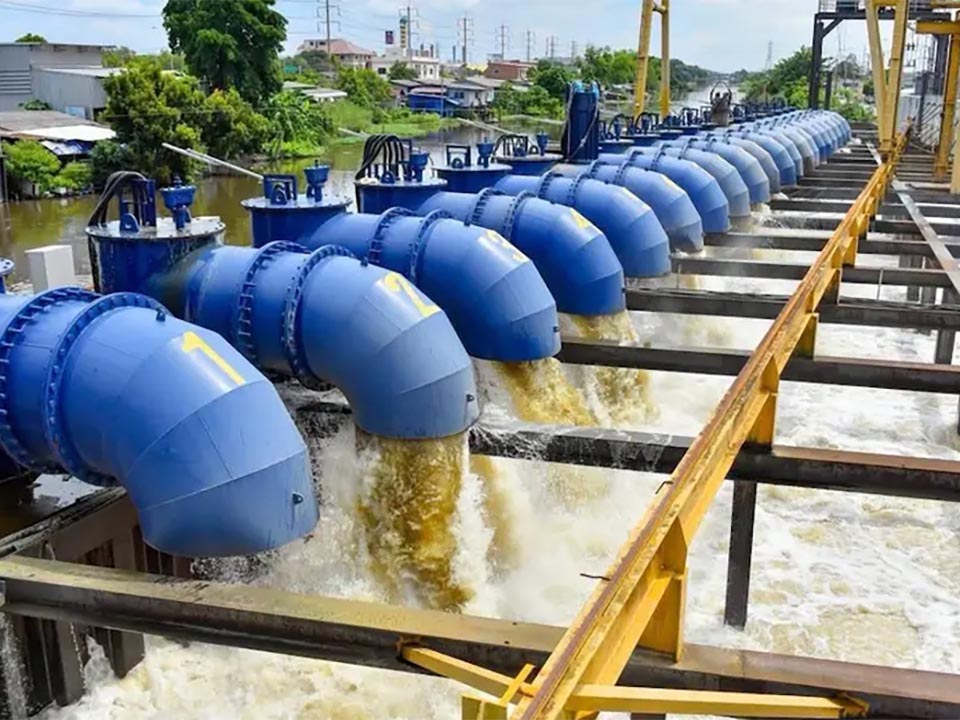
The RID is lowering canal levels and coordinating with Bangkok and nearby provinces through interconnected canals, sluice gates, and pumping stations. Key drainage routes include Khlong Rangsit, Khlong Saen Saep, Khlong Prawet, coastal drainage canals, Suvarnabhumi pumping facilities, and Khlong Lat Pho floodgate.
The department emphasized that the main concern for Bangkok and surrounding provinces is heavy rainfall and accumulated rainwater in urban areas, especially in low-lying locations with limited drainage. While northern runoff is manageable, the primary risk remains sudden urban flooding from direct, heavy rainfall. With increased precipitation forecast for the central region from October 5 to 7 and further heavy rainfall expected from October 11 to 14, authorities are using this period of reduced northern runoff to optimize the drainage system. The RID urges residents in Bangkok and surrounding areas to monitor weather updates and official announcements, as authorities continue to adjust water management operations to minimize public impact. (NNT)