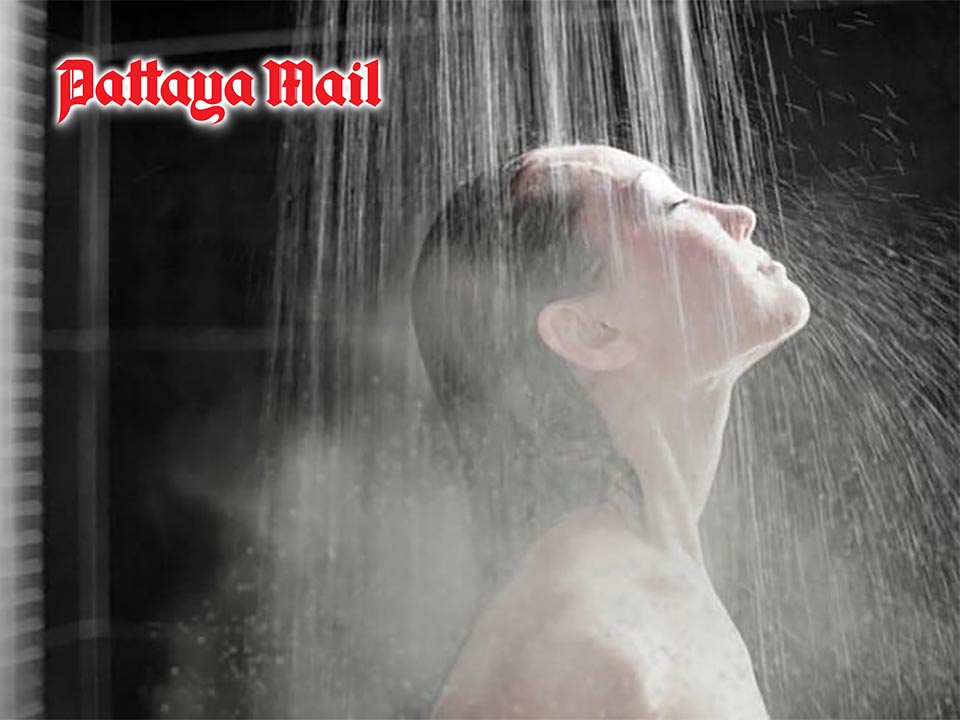
BANGKOK, Thailand – Many people prefer washing their hair with warm or hot water, especially on cooler days, believing that higher temperatures help remove oil and leave the scalp cleaner. However, very hot water may do more harm than good for the scalp and hair. While warm water can feel comfortable and help loosen some oil, washing hair does not require high temperatures. Choosing a suitable shampoo and thoroughly cleaning the scalp are more important.
Hot water can dry the scalp
The scalp has a natural protective barrier that helps retain moisture. Regular exposure to water that is too hot can contribute to moisture loss and dryness, particularly for people who already have dry or sensitive skin. A dry scalp may feel tight or itchy and can develop flaking. However, these symptoms are not necessarily caused by hot water alone. Hair products, individual skin conditions and existing scalp disorders can also play a role.
Does hotter water remove more oil?
The belief that hot water cleans away oil more effectively may lead people to use it every time they wash their hair. In reality, scalp cleanliness does not depend on water temperature alone. Shampoo is designed to remove oil and dirt from the scalp, so there is no need to use very hot water to improve its cleaning effect. If the scalp feels hot, stings or feels tight after washing, lowering the water temperature may be worthwhile.
Hair can also become dry and frizzy
Heat is also a factor to consider for the hair itself, particularly for people with dry, coloured or chemically treated hair, or those who regularly use heated styling tools. Excessive heat and friction can leave hair looking dry, frizzy and more difficult to manage. Washing with very hot water and then using a hot hairdryer for an extended period can add unnecessary heat exposure. Reducing the amount of heat applied to both the hair and scalp can therefore be part of a gentler hair-care routine.
What water temperature should you use?
There is no need to switch to ice-cold water. Water that feels comfortable on the skin or is mildly warm is sufficient for everyday hair washing. The scalp should be cleaned gently using the fingertips rather than scratching with the nails. Shampoo should also be rinsed out thoroughly. People with dry or easily irritated scalps can observe whether lowering the water temperature reduces tightness or dryness after washing.
How to wash hair without relying on hot water
Start by thoroughly wetting the hair and scalp. Apply an appropriate amount of shampoo, focusing on the scalp and roots, and gently massage with the fingertips without vigorous scrubbing. Rinse with water at a comfortable temperature and make sure no shampoo remains on the scalp. If conditioner is used, it can generally be applied from the middle of the hair towards the ends. After washing, gently pat or squeeze excess water from the hair rather than vigorously rubbing it with a towel.
Who should be particularly careful?
People with dry, itchy or easily irritated scalps should avoid very hot water, as it may make dryness and irritation more noticeable. Those with existing scalp problems should also choose hair products appropriate for their skin and monitor how their scalp responds. Anyone experiencing severe itching, redness, sores, extensive scaling or persistent symptoms should consult a dermatologist to identify the underlying cause rather than relying only on changing water temperature.
Hotter does not always mean cleaner
Using very hot water does not necessarily make hair or the scalp cleaner and may contribute to dryness or irritation, particularly for people with sensitive or dry skin. For everyday hair care, comfortable-temperature water, a suitable shampoo and gentle washing are generally enough. Reducing unnecessary heat exposure can also help keep both the scalp and hair in better condition.