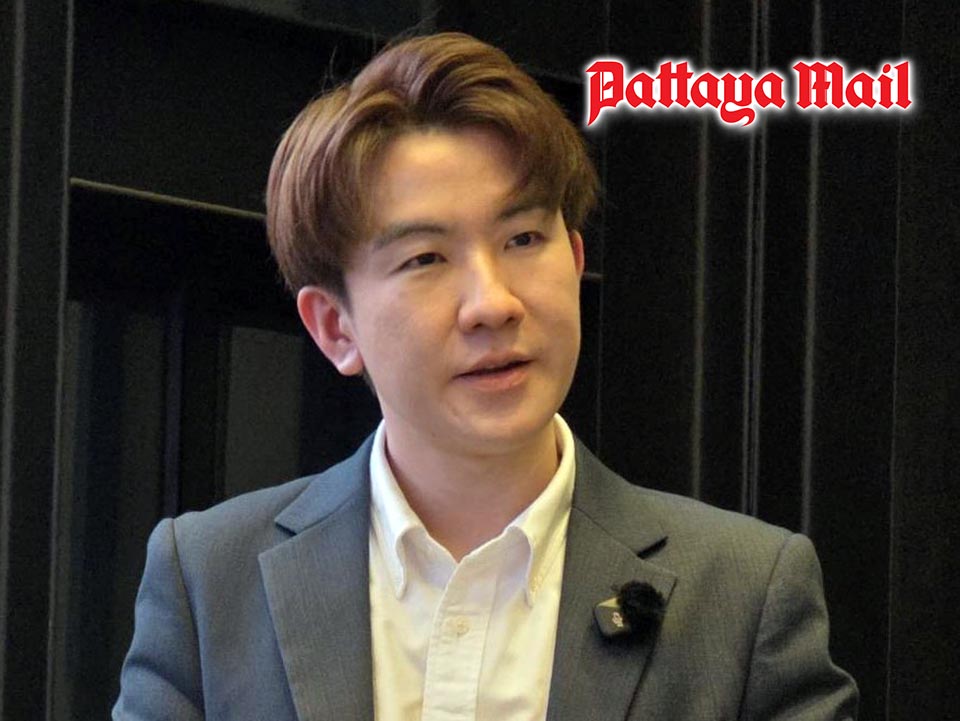
PATTAYA, Thailand – Better sleep, preventive care and emerging regenerative therapies could help people live not only longer but healthier lives, Dr. Pattara (Pat) Wiriyabanditkul, MD, told members of the Pattaya City Expats Club on Wednesday, September 23, 2026.
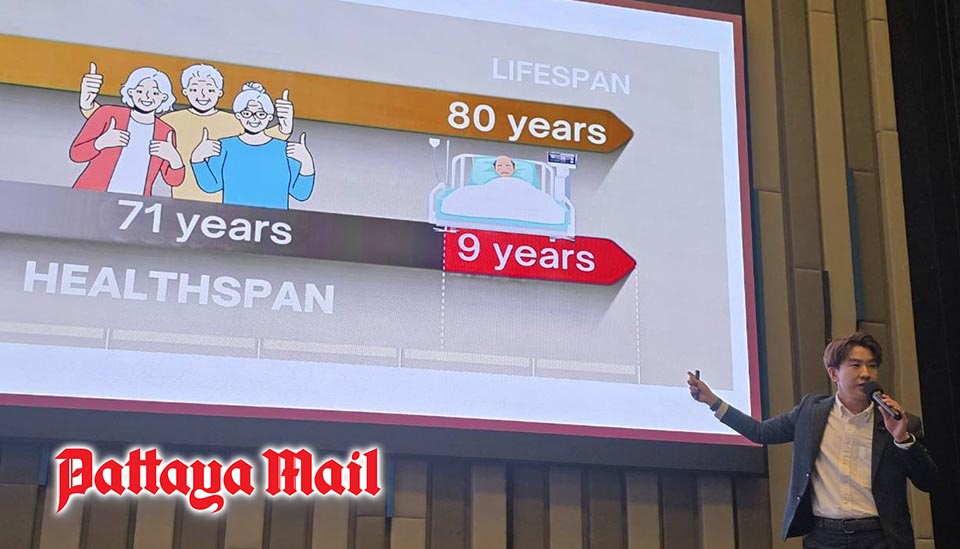
Speaking on “Rest Well, Live Well: The New Science of Sleep and Regenerative Longevity,” Dr Pat said the aim of longevity medicine should be to extend “healthspan” – the years in which a person remains active, independent and able to enjoy life rather than simply adding years.
Dr Pat said both the length and quality of sleep influence long-term health. He cited research associating short or disrupted sleep with obesity, cardiovascular disease, cognitive decline, mood problems and higher overall mortality. About seven hours a night was presented as an average “sweet spot,” although individual needs vary.
Deep sleep, Dr Pat explained, supports physical repair, growth-hormone production and the brain’s natural waste-clearing processes. Repeated awakenings can interrupt progression into deeper sleep stages, leaving people tired even after spending several hours in bed.
Dr Pat’s practical recommendations included getting morning sunlight, keeping regular sleep and wake times, limiting naps to 20 or 30 minutes when needed, avoiding intense exercise late in the day, and reducing caffeine, alcohol, and large meals, fluids and bright screen light before bedtime. Pain, sleep apnea, nighttime urination, medication side effects, stress and age-related hormonal changes were among the possible causes of poor sleep discussed.

Dr Pat cautioned against treating persistent sleep problems only with sedating medication, saying clinicians should first look for underlying medical, lifestyle or hormonal factors. Melatonin and hormone therapy were discussed as possible clinical options, but Dr Pat stressed that treatment and dosage should be individualized.
Turning to regenerative longevity, Dr Pat described a step-by-step model that begins with nutrition, exercise, sleep, stress management and reduced toxin exposure. Only after those foundations are addressed should patients consider micronutrients, hormone treatment or more advanced therapies.
Dr Pat also reviewed research and clinical approaches involving mesenchymal stem cells for osteoarthritis, joint repair, degenerative-disc disease, frailty and organ damage. Early-to-moderate joint degeneration may offer more scope for regenerative treatment than severe “bone-on-bone” disease, Dr Pat said, while noting that tissue patches, organoids and several other applications remain experimental or at an early stage.
Following the presentations, MC Darryl Reeves brought everyone up to date on upcoming Club events followed by the Open Forum portion of the meeting where questions are asked and comments made about Expat living in Thailand, especially Pattaya. To learn more about the PCEC, visit their website at https:/pcec.club. Videos of Dr Pat’s presentation and subsequent interview will be uploaded to the PCEC’s YouTube channel: https://www.youtube.com/@pcecclub6255/videos.