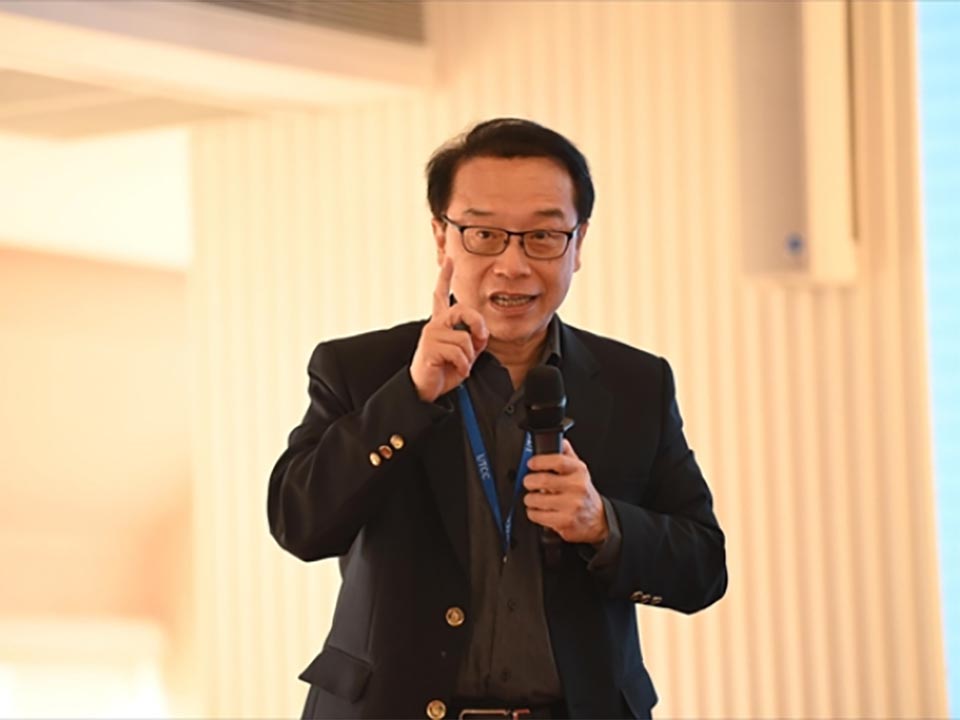
BANGKOK, Thailand – Anusorn Tamajai, a Bangkok MP from the People’s Party and deputy chairman of the House committee overseeing finance, fiscal affairs and financial markets, has warned that unchecked populist policies could weaken Thailand’s fiscal position and eventually trigger a vicious economic cycle. Anusorn said populist measures have increasingly become an important tool for winning elections and gaining political advantage. He warned that the government’s 2027 budget still contains significant populist spending despite growing fiscal risks, potentially leaving less money available for investment in the country’s future. He said poorly designed populist policies could create a cycle beginning with government budget deficits and increased borrowing to finance subsidies or cash-transfer programs. Higher consumption could then contribute to current-account deficits, while excessive borrowing by the public and private sectors could further increase financial vulnerabilities.
If those imbalances accumulate to a critical level, he warned, the economy could lose stability and face a financial crisis, citing past debt and financial crises in Latin America, Thailand’s 1997 Asian financial crisis, the 2008–09 global financial crisis and the European sovereign debt crisis.
Anusorn also warned that poorly targeted cash-transfer programs could create tension between taxpayers and beneficiaries, while reducing incentives to work and invest if people become overly dependent on government assistance. Lower production could eventually reduce tax revenue, forcing the government to borrow more to maintain populist programs. He stressed, however, that not all forms of government assistance should be treated as populism. Targeted welfare programs that effectively transfer resources from wealthier groups to lower-income households can reduce inequality and provide important social protection. The key distinction, he said, is between short-term political giveaways and sustainable welfare systems designed to provide long-term support for vulnerable groups.
Anusorn also warned that Thailand’s efforts to expand trade and investment with Myanmar could face significant risks without progress on peace, democracy and human rights. He said the Thai government and Parliament should help promote peace negotiations, democratic restoration and respect for human rights in Myanmar before expanding bilateral economic cooperation. Thai companies investing in Myanmar, as well as Thai government agencies conducting transactions with a regime facing extensive international sanctions, could face increased exposure to secondary sanctions, particularly from Western countries, he warned. Such risks could affect the international reputation of Thai businesses and government agencies, while investment benefits might fail to reach ordinary people and instead strengthen Myanmar’s military-led authoritarian system.
Anusorn argued that deeper economic engagement alone would not resolve Myanmar’s border problems, civil conflict, drug trafficking, human trafficking or weapons smuggling. He called for Thailand to play a constructive role as a mediator by helping create a platform for ceasefire negotiations, peace talks and eventually free elections.
He said achieving peace and democracy in Myanmar would serve the interests of people on both sides of the border and contribute to greater regional stability.