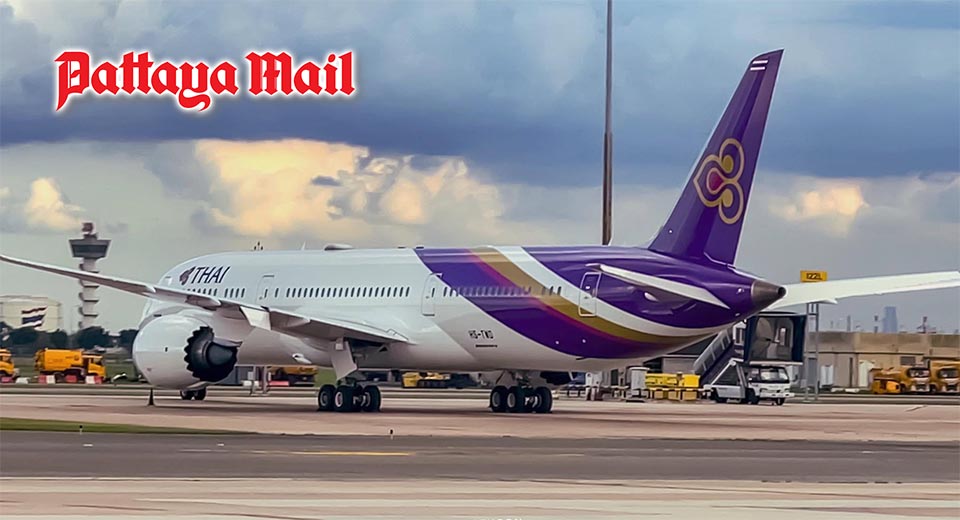
PATTAYA, Thailand – Thai Airways International expects the global aviation market to become increasingly competitive in the second half of 2026 as airlines worldwide begin reducing ticket prices following a decline in oil prices. However, the national carrier says it will avoid entering a price war, instead focusing on service quality and strengthening customer loyalty through an upgraded Royal Orchid Plus (ROP) program. Thai Airways CEO Chai Eamsiri said falling global oil prices have prompted airlines around the world to adjust fares downward. Oil prices, which surged above US$240 per barrel between March and May 2026 due to Middle East tensions, have since declined to around US$110–120 per barrel, easing pressure on airline operating costs.
As a result, airlines have started lowering ticket prices, creating stronger competition heading into the second half of the year. Thai Airways has also adjusted fares on selected international routes from July 1, reducing ticket prices and fuel-related charges by around 20–30% to remain competitive and align with market conditions. However, Chai said Thai Airways would maintain pricing discipline and focus on protecting revenue quality rather than aggressively cutting fares. “Thai Airways will focus on targeted campaigns that meet customer demand rather than reducing ticket prices simply to compete in the market,” he said. The airline noted that average fares remain higher than before the Middle East conflict, despite recent adjustments.
To strengthen competitiveness, Thai Airways has launched a major upgrade of its Royal Orchid Plus (ROP) frequent flyer program, introducing greater flexibility, improved technology and expanded benefits for members. The airline said the new program aims to create more value beyond air travel by offering additional lifestyle benefits, easier mileage use and stronger connections with travel partners. The upgraded ROP includes new features such as ROP Smart Miles Pay and ROP Smart Miles Pay Lite, allowing members to use accumulated miles more easily for travel-related services.
The airline is also expanding the Royal Orchid Holidays (ROH) platform, connecting members with hotels, travel activities and partner benefits to create a wider travel ecosystem. New membership benefits under the “The New Chapter Begins” campaign include easier qualification requirements for Platinum, Gold and Silver members, allowing travelers to maintain or upgrade status more conveniently. The new criteria will take effect on August 5, 2026. Additional benefits include bonus miles for qualifying members from January 2027, expanded privileges such as dedicated check-in counters at Suvarnabhumi Airport and free Wi-Fi services for all membership tiers. Thai Airways will also introduce enhanced digital security measures, including a change from seven-digit to ten-digit membership numbers, improved password standards and stronger email verification systems.
Thai Airways commercial executives said travel demand remains positive, with advance bookings showing strong performance across routes. The airline expects average cabin factor, or passenger load levels, to remain above 70% during the second half of 2026, supported by new marketing campaigns, expanded flight schedules and the upgraded loyalty program. The airline expects the Royal Orchid Plus improvements to help increase membership growth by around 10% in 2027.
More flights planned
Thai Airways is continuing to expand its network during the second half of the year. The airline launched its new Bangkok–Amsterdam route on July 1 and plans to increase frequencies on several popular domestic routes, including Bangkok–Chiang Mai, Bangkok–Phuket and Bangkok–Krabi from October 25, 2026 to March 27, 2027. International expansion will also continue, with the return of the Bangkok–Xiamen route in China from October 25, 2026 after a six-year suspension, operating four flights per week. The airline also plans additional flights to Paris from December 1, 2026, Munich from December 16, 2026 and Zurich from January 16, 2027. Thai Airways said the strategy is aimed at balancing competitiveness, revenue protection and improved passenger experience as global aviation competition intensifies.