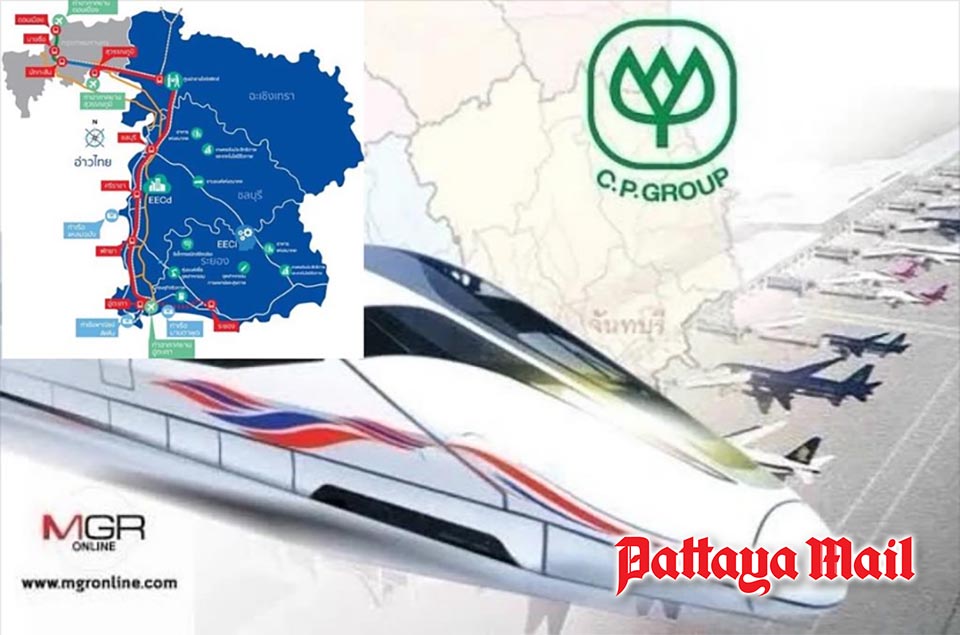
PATTAYA, Thailand – Thailand is preparing to abandon its long-delayed high-speed rail project linking Don Mueang, Suvarnabhumi and U-Tapao airports, replacing it with a more affordable 160 km/h medium-speed railway that could begin operating within four years. The move follows discussions between the Eastern Economic Corridor Office (EECO) and the State Railway of Thailand (SRT) after the existing concession with Asia Era One Co., Ltd., the consortium led by CP Group, was deemed no longer viable. Rather than launching a fresh tender for the original 250 km/h high-speed rail project—a process expected to take at least two years and cost significantly more—the government is proposing to upgrade existing railway infrastructure to accelerate delivery.
Under the revised plan, the eastern metre-gauge railway from Bangkok to U-Tapao would be upgraded to support trains travelling at 160 km/h, with electrification extended to U-Tapao Airport. Some sections would also be elevated to eliminate road crossings and improve safety.
Officials say the new approach would require substantially less investment while allowing rail services to open around the same time as the new U-Tapao International Airport and Aviation City.
The project would integrate existing rail networks rather than building an entirely new line.
Passengers travelling from Don Mueang Airport would use Bangkok’s Red Line suburban railway before connecting via the planned Missing Link between Bang Sue, Phaya Thai, Makkasan and Hua Mak. The line would then continue to Suvarnabhumi Airport, before joining the existing eastern railway corridor through Chachoengsao, Sri Racha and Pattaya to U-Tapao Airport.
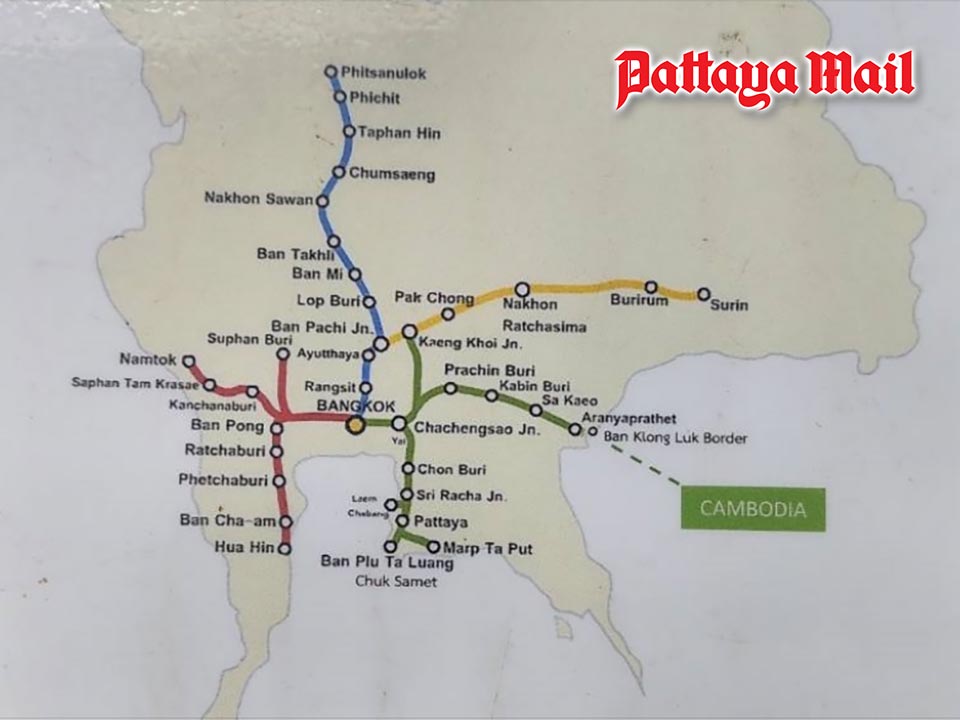
Officials are also studying ways to integrate the Red Line with the Airport Rail Link to reduce transfers and create a seamless journey between Bangkok’s airports.
Two operating models are being considered: a public-private partnership (PPP) under a net-cost arrangement or allowing private operators to lease track access from the SRT under Thailand’s Rail Transport Act. Asia Era One would still be eligible to bid if the project is reopened under the new model, as officials stressed that the potential termination of the existing concession would not be considered a breach by either party. EECO Secretary-General Chula Sukmanop said the rail connection between the three airports remains a critical piece of infrastructure for the Eastern Economic Corridor (EEC) and will continue despite changes to the project’s format.
The revised railway is expected to support commuters, urban rail passengers and intercity services while boosting investment and development along the route through Bangkok, Chachoengsao, Si Racha, Pattaya and Chonburi. A series of meetings is scheduled this month before the proposal is submitted to the EEC Policy Committee, chaired by Prime Minister Anutin Charnvirakul, for final consideration later in July.