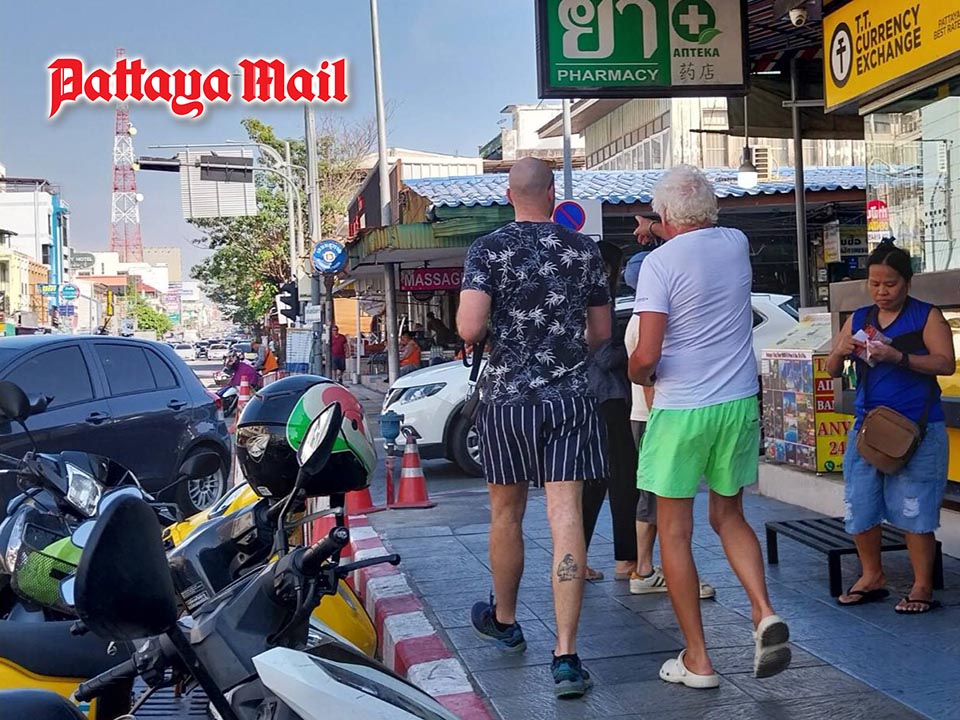
PATTAYA, Thailand – Pattaya is often promoted through images of golden beaches, tropical sunsets, affordable accommodation, vibrant nightlife, and the famous Thai smile. For millions of visitors each year, those attractions remain very real and continue to define the city’s appeal. Yet beneath the postcard image lies another Pattaya—frequently discussed in online forums, social media groups, and comment sections by visitors who say their experiences reveal a more complicated reality.
One recent reader comment on Pattaya Mail summed up this alternative view bluntly: “Pattaya’s lasting charm from smiles to beach walks and budget rooms — and street/bar fights, rip-off prices, thieving ladyboys, scams etc. etc.” While the wording reflects a personal and unverified viewpoint, it highlights frustrations some visitors report when expectations do not match their experiences.
Common complaints shared online include disputes over bar bills, ATM withdrawal fees, unfavorable exchange rates, aggressive sales tactics, taxi fare disagreements, jet ski disputes, and occasional reports of petty theft or scams targeting inexperienced tourists. Some visitors also describe witnessing late-night altercations in busy entertainment zones, often linked to alcohol and misunderstandings. At the same time, local authorities continue efforts to monitor nightlife areas and respond to complaints as they arise.
Long-term foreign residents, however, argue that such incidents can be amplified online compared to the millions of uneventful visits each year. They point out that Pattaya remains one of Thailand’s most visited destinations, supported by repeat tourism and a largely positive overall experience for most visitors. Others counter that even isolated incidents can shape perception quickly in the digital age, where travel experiences are widely shared and rapidly circulated.
The result is a destination with two competing narratives. One is a lively seaside city known for entertainment, hospitality, and accessibility. The other is a place where visitors are encouraged to stay alert, compare prices, and navigate tourist areas carefully. This debate is resurfacing at a politically important time, with city elections scheduled for June 28 and a new municipal administration expected to take office shortly after. Alongside tourism development, residents and observers say attention is also turning to long-standing urban issues that affect both locals and visitors.
Concerns often raised include damaged roads, broken or uneven footpaths, traffic congestion, homelessness, public safety, road accidents, and persistent scam-related complaints in some tourist zones. While improvement efforts exist, critics argue that more consistent enforcement and long-term planning are needed to strengthen both city management and its tourism image. As Pattaya prepares for a leadership transition, expectations are growing that campaign promises will be followed by visible action. For some observers, the city’s future reputation will depend not only on attracting visitors but also on addressing the everyday issues that shape how the city is experienced on the ground. Despite differing opinions, Pattaya continues to stand as one of Thailand’s most recognizable tourism destinations—loved by many, criticized by some, and still evolving between image and reality.